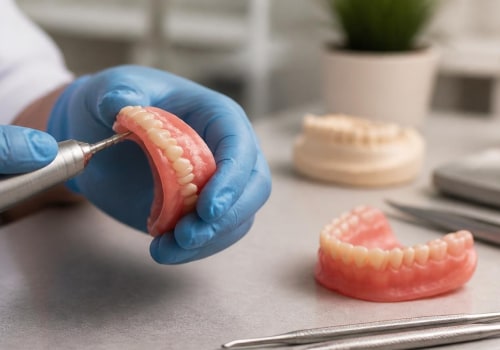
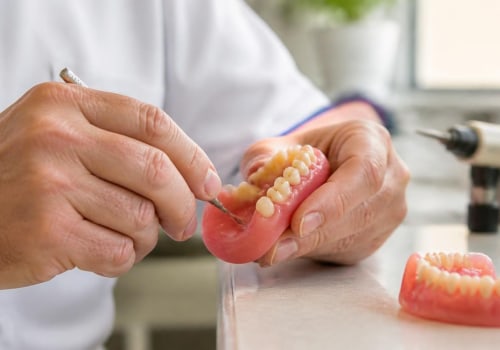
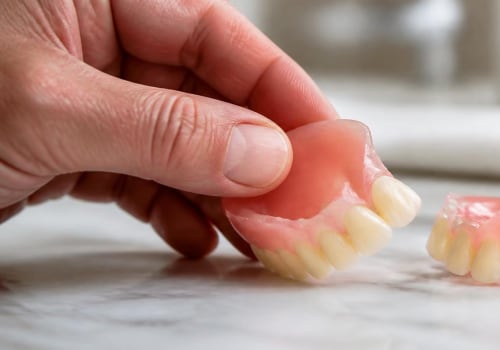
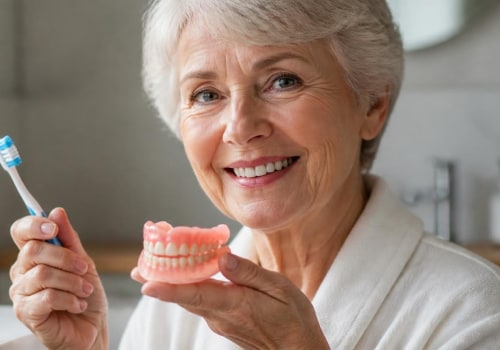
Denture repair is a crucial aspect of maintaining oral health and comfort for those who rely on dentures. Over time, dentures can become damaged due to wear and tear, accidents, or even changes in the shape of the gums and jawbone. Understanding the importance of denture repair is essential for ensuring that your dentures fit properly and function effectively. When dentures are not repaired promptly, they can lead to discomfort, difficulty in eating, and even affect your speech. Many denture wearers experience discomfort after their dentures have been repaired.
This can be attributed to several factors, including improper fitting, adjustments that have not been made correctly, or the natural adaptation process that occurs when wearing new or repaired dentures. It’s important to recognize that feeling uncomfortable after a repair is not uncommon, but it should not be ignored. Addressing these issues promptly can prevent further complications and enhance your overall experience with your dentures. In this article, we will explore the common reasons why repaired dentures may feel uncomfortable and provide practical solutions to alleviate this discomfort. By understanding the nuances of denture repair and its significance, you can take proactive steps to ensure your dentures serve you well for years to come.
Common Causes of Discomfort After Denture Repair
After undergoing denture repair, many individuals may still experience discomfort.Understanding the common causes of this discomfort can help in addressing the issues effectively.
- Poor Fit: One of the most prevalent reasons for discomfort is a poor fit. Even after repairs, dentures may not align properly with the gums, leading to pressure points and soreness. This misalignment can occur due to changes in the shape of the mouth or the denture itself during the repair process.
- Material Issues: The materials used in denture repairs can also contribute to discomfort. If the repair involves different materials than those originally used, it may result in an unnatural feel or irritation.
Some patients may also have sensitivities to certain materials, causing discomfort.
- Insufficient Adjustments: After a denture repair, adjustments are often necessary to ensure comfort and functionality. If these adjustments are not made adequately, patients may experience ongoing pain or difficulty in chewing. Regular follow-ups with a dental professional can help identify and rectify these issues.
- Underlying Oral Health Problems: Sometimes, discomfort from repaired dentures can be exacerbated by underlying oral health issues such as gum disease or tooth decay. These conditions can create additional sensitivity and pain when wearing dentures.
Consulting with your dentist for a thorough evaluation can help pinpoint the exact cause and lead to effective solutions.
Signs That Your Dentures Need Further Adjustment
After having your dentures repaired, it’s crucial to monitor how they feel in your mouth.Ill-fitting dentures
can lead to discomfort and other oral health issues. Here are some key signs that indicate your dentures may need further adjustment:- Persistent Pain or Discomfort: If you experience ongoing pain or discomfort while wearing your dentures, this is a clear sign that they may not fit properly. Pain can occur in the gums, jaw, or even the surrounding teeth.
- Difficulty Chewing: If you find it challenging to chew food or if certain foods cause discomfort, your dentures might need adjustments.
Properly fitting dentures should allow you to eat comfortably.
- Gum Irritation: Redness, swelling, or sores on your gums can indicate that your dentures are rubbing against your soft tissues. This irritation is a strong signal that adjustments are necessary.
- Loose Fit: If your dentures feel loose or shift around in your mouth, they are not providing the stability you need. A secure fit is essential for both comfort and functionality.
- Clicking Sounds: Unusual noises when you speak or chew can suggest that your dentures are not aligned correctly. This can be both embarrassing and uncomfortable.
They can assess the fit of your dentures and make the necessary adjustments to ensure optimal comfort and function. Remember, denture repair is not just about fixing breaks; it’s also about ensuring that your dentures fit well and support your oral health.
Steps to Take If Your Repaired Dentures Are Uncomfortable
If your repaired dentures are causing discomfort, it’s essential to address the issue promptly to ensure your oral health and comfort. Here are some actionable steps you can take:- Assess the Fit: Start by examining how your dentures fit. Check for any visible gaps or areas where the denture may not be sitting properly against your gums.
A poor fit can lead to irritation and pain.
- Use Denture Adhesive: If your dentures feel loose, consider using a denture adhesive. This can help secure them in place and reduce movement that may cause discomfort.
- Practice Good Oral Hygiene: Maintain a rigorous oral hygiene routine. Clean your dentures daily with a soft brush and non-abrasive cleaner to prevent irritation from food particles and bacteria.
- Adjust Your Diet: Temporarily modify your diet to include softer foods that are easier to chew. Avoid sticky or hard foods that may exacerbate discomfort while you adjust to your repaired dentures.
- Warm Salt Water Rinse: Rinsing your mouth with warm salt water can help soothe any irritation in your gums.
This natural remedy can provide relief from soreness.
- Monitor for Changes: Keep track of any changes in discomfort levels. If the pain persists or worsens, it may indicate a more serious issue.
- Consult Your Dentist: If self-care measures do not alleviate the discomfort, it’s crucial to consult your dentist. They can assess the fit of your repaired dentures and make necessary adjustments or repairs.
Consulting Your Dentist: What to Expect
If your repaired dentures still feel uncomfortable, it’s crucial to consult your dentist as soon as possible.Persistent discomfort can indicate underlying issues that need professional attention. During your appointment, your dentist will conduct a thorough examination of your dentures and your oral health.
What to Expect at Your Dentist Appointment:
- Initial Assessment: Your dentist will first ask about the specific discomfort you are experiencing. Be prepared to describe when the discomfort occurs, its intensity, and any other symptoms you may have noticed.
- Examination of Dentures: The dentist will closely examine your dentures for any signs of wear, improper fit, or damage that may have occurred during the repair process.
- Oral Examination: A comprehensive oral examination may be conducted to check for any issues with your gums or remaining teeth that could be contributing to the discomfort.
- Adjustment Recommendations: Based on their findings, your dentist may recommend adjustments to improve the fit and comfort of your dentures. This could involve reshaping certain areas or providing additional cushioning.
- Follow-Up Care: Your dentist may schedule a follow-up appointment to ensure that the adjustments have resolved the discomfort.
They will also provide guidance on how to care for your dentures post-repair.
Preventive Measures for Future Denture Discomfort
After undergoing denture repair, it’s essential to adopt certain preventive measures to ensure your dentures remain comfortable and functional. Here are some effective tips to help you maintain comfort and avoid future discomfort:- Regular Adjustments: Schedule follow-up appointments with your dentist to assess the fit of your repaired dentures. Even minor adjustments can significantly enhance comfort.
- Daily Cleaning: Clean your dentures daily using a soft-bristle brush and a non-abrasive cleaner.
This practice not only maintains hygiene but also prevents buildup that can lead to discomfort.
- Proper Storage: When not in use, store your dentures in a clean, moist environment, preferably in a denture solution or water. This helps prevent warping and keeps them in optimal condition.
- Gradual Wear: If your dentures feel uncomfortable after repair, gradually increase the time you wear them each day. This allows your mouth to adjust to the new fit.
- Monitor Changes: Pay attention to any changes in fit or comfort. If you notice persistent discomfort, consult your dentist promptly to address any issues before they worsen.
- Stay Hydrated: Drink plenty of water throughout the day.
A well-hydrated mouth can help reduce friction and irritation caused by dentures.
- Avoid Hard Foods: Initially after repairs, avoid hard or sticky foods that may put pressure on your dentures. Opt for softer foods until you feel comfortable.
- Use Adhesives Wisely: If necessary, use denture adhesives as directed. They can provide additional stability but should not be relied upon as a solution for poor fit.
Frequently Asked Questions About Denture Repair and Comfort
When it comes to denture repair, many individuals have questions regarding comfort and adjustments. Here are some frequently asked questions that can help you navigate your concerns:- Why do my repaired dentures still feel uncomfortable?
After a denture repair, it’s common to experience some discomfort as your mouth adjusts to the changes.If discomfort persists beyond a few days, it may indicate that the fit is not correct, and you should consult your dentist.
- How long does it take to get used to repaired dentures?
Generally, it can take a few days to a couple of weeks for your mouth to adjust to repaired dentures. However, if you continue to feel discomfort after this period, seek professional advice. - What should I do if my dentures are still loose after repair?
If your dentures feel loose, it may be necessary for your dentist to make further adjustments. Sometimes, additional relining or even a new set may be required for optimal fit. - Can I use denture adhesive for comfort?
Yes, using a quality denture adhesive can provide extra stability and comfort. However, it’s important to use it as a temporary solution while addressing the underlying fit issues with your dentist. - Are there any home remedies for denture discomfort?
While professional adjustments are recommended, some individuals find relief by rinsing their mouths with warm salt water or using over-the-counter oral gels designed for denture wearers.
Always prioritize consulting with your dental professional for personalized advice and solutions.
Conclusion: Ensuring Comfort with Your Dentures Post-Repair
In conclusion, ensuring comfort with your dentures after a denture repair is crucial for maintaining your oral health and overall well-being. Discomfort can arise for various reasons, and it’s essential to address these issues promptly to avoid further complications. First and foremost, if your repaired dentures still feel uncomfortable, it’s important to revisit your dental professional. They can assess the fit and make necessary adjustments. Remember, even minor changes in your mouth can affect how your dentures sit. Here are some key steps to consider:- Regular Check-ups: Schedule follow-up appointments with your dentist to monitor the fit of your dentures.
- Proper Cleaning: Maintain a rigorous cleaning routine to prevent irritation caused by food particles or plaque buildup.
- Use of Adhesives: If recommended, consider using denture adhesives to enhance stability and comfort.
- Monitor Changes: Keep track of any changes in your mouth or jaw that may affect how your dentures fit.
Ignoring persistent discomfort can lead to sore spots, infections, or even damage to the underlying gums and bone structure. Ultimately, the goal is to achieve a comfortable fit that allows you to eat, speak, and smile confidently. By taking proactive steps and seeking help when needed, you can ensure that your experience with denture repair leads to a positive outcome.