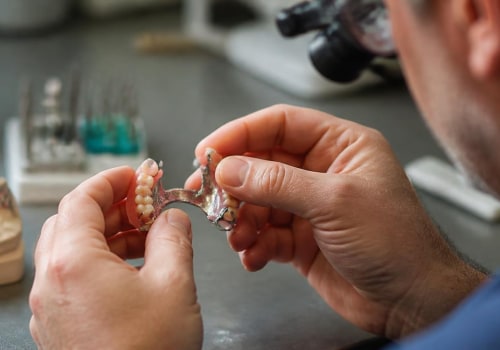
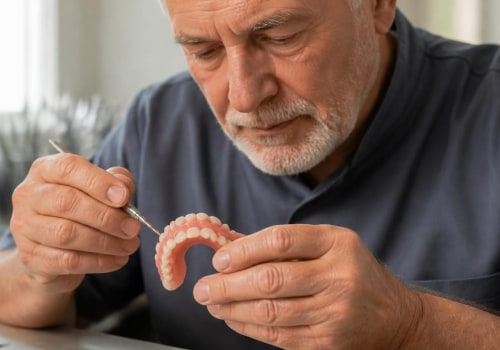
Maintaining your dentures is crucial for both oral health and overall well-being. As a vital part of your daily routine, understanding the nuances of denture care can significantly enhance your experience and prolong the lifespan of your dental appliances. Among the most common issues faced by denture wearers are the need for denture repair and denture reline. While these terms are often used interchangeably, they refer to distinct processes that address different problems. Denture repair typically involves fixing physical damage to the dentures, such as cracks or breaks, ensuring that they function properly and fit comfortably.
On the other hand, a denture reline is a procedure aimed at adjusting the inner surface of the denture to improve its fit as your gums change over time. This distinction is essential for anyone who wears dentures, as it directly impacts comfort and functionality. Understanding the importance of both denture repair and reline is key to effective denture maintenance. Regular check-ups with your dentist can help identify when these procedures are necessary, allowing you to avoid discomfort and potential complications. By prioritizing proper denture care, you not only enhance your quality of life but also ensure that your smile remains bright and confident.
What is Denture Repair?
Denture repair refers to the process of fixing broken, cracked, or damaged dentures to restore their functionality and appearance.This is a crucial service for denture wearers, as even minor damage can lead to discomfort and affect daily activities such as eating and speaking.Common reasons for needing denture repairs include:
- Accidental damage: Dropping dentures can lead to fractures or breaks.
- Wear and tear: Over time, dentures may become worn down, leading to cracks.
- Improper fit: Changes in the mouth structure can cause dentures to become loose, resulting in stress on the material.
- Staining or discoloration: While not a structural issue, aesthetic concerns can prompt repairs.
- Assessment: A dental professional examines the dentures to determine the extent of the damage.
- Cleaning: The dentures are thoroughly cleaned to remove any debris or bacteria.
- Repairing: Depending on the type of damage, various methods such as acrylic bonding or relining may be used.
- Polishing: After repairs are made, the dentures are polished to restore their original shine.
- Fitting check: Finally, a fitting check ensures that the repaired dentures are comfortable and functional.
- Acrylic repairs: Used for fixing cracks or breaks in acrylic dentures.
- Metal framework repairs: Involves repairing the metal components of partial dentures.
- Denture relining: Adjusts the inner surface of the denture for a better fit without altering its external appearance.
What is Denture Reline?
A denture reline is a dental procedure that involves adding new material to the underside of a denture to improve its fit and comfort. Over time, the shape of your gums and jawbone can change, leading to a loose or uncomfortable denture. A reline helps to restore the snug fit that is essential for effective chewing and speaking.There are two main types of denture relines: hard relines and soft relines. Each type serves different needs:- Hard Relines: This type uses a durable acrylic material that is molded to the contours of your gums.
Hard relines are typically more long-lasting and are suitable for patients whose gum tissue has stabilized.
- Soft Relines: Made from a softer, more flexible material, soft relines provide additional cushioning for sensitive gums. They are often recommended for patients with ongoing gum issues or those who experience discomfort with traditional dentures.
- Your dentist will first assess the fit of your current dentures and determine if a reline is necessary.
- If a reline is needed, the dentist will take an impression of your gums while you wear your dentures.
- The dentures are then sent to a dental lab where the new lining material is applied.
- Finally, you will return to the office to have your relined dentures fitted and adjusted as necessary.
Key Differences Between Denture Repair and Reline
Understanding the differences between denture repair and reline is crucial for maintaining your oral health and ensuring the longevity of your dentures. While both processes aim to enhance the functionality and comfort of dentures, they serve distinct purposes.Purpose of Each Process
Denture repair is typically required when there is physical damage to the denture, such as cracks, breaks, or chips.This process restores the structural integrity of the denture, allowing it to function properly again. On the other hand, a denture reline is necessary when the fit of the denture has changed due to natural changes in the mouth, such as bone resorption or gum shrinkage. A reline adjusts the inner surface of the denture to ensure a snug fit against the gums.
Process Overview
- Denture Repair: This process often involves using dental adhesives or acrylic materials to mend broken parts. The repair can usually be completed in a single visit, depending on the extent of the damage.
- Denture Reline: A reline requires taking impressions of your gums and may take longer, often involving a few visits.
The dentist will create a new layer of material that fits your gums more accurately.
When to Choose Repair or Reline
Choosing between denture repair and reline depends on your specific situation:- If your denture is cracked or broken, opt for a repair.
- If your denture feels loose or uncomfortable due to changes in your mouth, a reline is likely necessary.
When to Consider Denture Repair or Reline
Understanding when to seek denture repair or a reline is crucial for maintaining your oral health and comfort. Each option addresses different issues, and recognizing the signs can help you make an informed decision.Signs You Need Denture Repair
- Cracks or Breaks: If you notice visible cracks or breaks in your dentures, it’s essential to seek denture repair immediately. These damages can worsen over time and affect the fit.
- Loose Fit: A sudden change in how your dentures fit can indicate that they need repair.
If they feel loose or unstable, it may be due to structural damage.
- Chips: Small chips can lead to larger fractures if not addressed promptly. If you see any chips, consider getting a repair to prevent further issues.
Signs You Need a Denture Reline
- Changes in Fit: Over time, your gums may change shape due to bone resorption. If your dentures feel uncomfortable or loose, it might be time for a reline.
- Food Trapping: If food frequently gets trapped under your dentures, this could indicate that they no longer fit properly and require a reline.
- Sore Spots: Persistent sore spots on your gums can signal that your dentures are not fitting correctly. A reline can help alleviate this discomfort by providing a better fit.
They can assess whether you need a denture repair or a reline based on the specific issues you’re facing. Regular check-ups can also help catch these problems early, ensuring that your dentures remain functional and comfortable.
The Process of Denture Repair
Repairing dentures is a meticulous process that ensures your dental prosthetics are restored to their optimal function and appearance. Understanding the denture repair process can help you set realistic expectations regarding time and costs involved.Steps Involved in Denture Repair
- Initial Assessment: The first step involves a thorough examination of the damaged dentures by a dental professional. This assessment helps determine the extent of the damage and the best course of action for repair.
- Cleaning: Before any repairs are made, the dentures are cleaned to remove any debris or bacteria.
This step is crucial for ensuring a successful repair.
- Repair Process: Depending on the type of damage, various techniques may be employed. For minor cracks, a special adhesive may be used, while more extensive damage might require reshaping or replacing parts of the denture.
- Finishing Touches: After the repair is completed, the dentures are polished and checked for fit and comfort. This ensures that they not only look good but also function properly.
How Long Does Denture Repair Take?
The duration of the denture repair process can vary based on several factors, including the complexity of the damage and the materials used. Generally, simple repairs can be completed within a few hours to a day, while more extensive repairs may take several days.It’s advisable to consult with your dental professional for a more accurate timeframe based on your specific situation.
Cost of Denture Repair
The cost associated with denture repair can also vary widely. On average, you might expect to pay anywhere from $100 to $500, depending on the severity of the damage and whether additional services are required. Insurance coverage may also play a role in reducing out-of-pocket expenses, so it’s worth checking with your provider.In summary, understanding the denture repair process, including its steps, timeframes, and costs, can help you make informed decisions about your dental care. Always consult with a qualified dental professional to ensure you receive the best possible service for your needs.The Process of Denture Reline
Relining dentures is a crucial process that ensures a proper fit and comfort for the wearer.The denture reline procedure typically involves several steps, which can vary slightly depending on whether you choose a chairside or laboratory reline.
- Initial Consultation: The process begins with a visit to your dentist, who will assess the current state of your dentures and determine if a reline is necessary.
- Preparation: If you opt for a chairside reline, the dentist will clean your dentures and prepare them for the new material. For a laboratory reline, impressions of your gums will be taken.
- Application of Reline Material: In chairside relines, the dentist applies a soft or hard reline material directly to the denture base. In laboratory relines, the impressions are sent to a lab where the new material is applied.
- Fitting and Adjustments: After the material has set, the dentist will check the fit of your dentures and make any necessary adjustments to ensure comfort.
On average, you can expect to pay between $300 and $500 for a laboratory reline, while chairside options may range from $200 to $400. It's advisable to consult with your dental provider for an accurate estimate tailored to your specific needs.In summary, understanding the denture reline process is essential for maintaining optimal oral health and comfort. Regular relining can extend the life of your dentures and improve your overall experience as a denture wearer.
FAQs About Denture Repair and Reline
When it comes to denture repair and relining, many patients have questions that can help clarify their understanding of these procedures. Here are some frequently asked questions:- What is denture repair? Denture repair involves fixing broken or damaged dentures.
This can include reattaching broken pieces, filling in cracks, or replacing missing teeth. It is essential for maintaining the functionality and aesthetics of your dentures.
- What is a denture reline? A denture reline is a procedure that involves adding new material to the underside of the denture to improve its fit. Over time, the shape of your gums and jawbone can change, leading to discomfort or looseness in your dentures. A reline helps ensure a snug fit.
- How often should I get my dentures repaired or relined? The frequency of repairs or relines depends on individual circumstances.
Generally, it’s advisable to have a reline every 1-2 years, while repairs should be done as needed when damage occurs.
- Can I repair my dentures at home? While some minor fixes may seem possible at home, it is not recommended. DIY repairs can lead to further damage or improper fit. Always consult a dental professional for any repairs.
- Are there any myths about dentures? Yes, several myths exist, such as the belief that dentures last a lifetime without any need for adjustments. In reality, regular check-ups are crucial for ensuring comfort and functionality.
Conclusion: Making Informed Decisions About Your Dentures
In conclusion, understanding the differences between denture repair and denture reline is crucial for maintaining your oral health and ensuring the longevity of your dentures.Both procedures serve distinct purposes and cater to different needs, which can significantly impact your comfort and functionality.
Denture repair
is essential when your dentures are damaged, whether due to wear and tear or accidental breakage. This process restores the structural integrity of your dentures, allowing you to continue using them without discomfort or embarrassment. On the other hand, a denture reline is necessary when your gums change shape over time, which can lead to an improper fit. This procedure adjusts the inner surface of the denture to ensure a snug fit against your gums, enhancing comfort and preventing irritation.When faced with issues related to your dentures, it’s important to consult with a dental professional who can guide you in choosing the right solution.Here are some key points to consider:
- Assess the Condition: Regularly check your dentures for signs of damage or poor fit.
- Consult a Professional: Always seek advice from a dentist or prosthodontist for accurate diagnosis and treatment options.
- Prioritize Comfort: Ensure that your dentures fit well to avoid complications such as sores or infections.