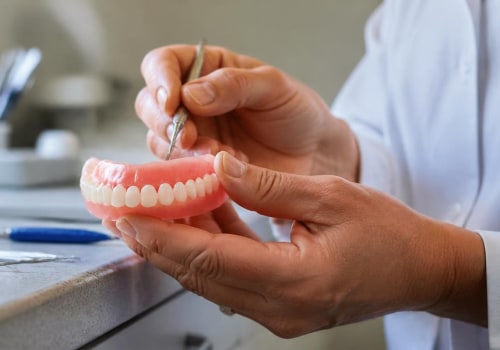
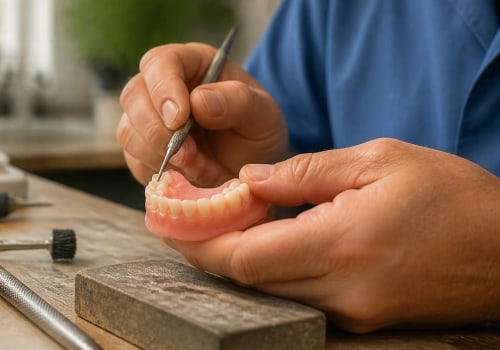
Dentures are removable dental appliances designed to replace missing teeth and restore functionality to the mouth. They play a crucial role in enhancing not only the aesthetic appearance of an individual but also their ability to chew and speak effectively. For many, dentures are a vital component of daily life, providing confidence and comfort. Understanding what dentures are and their significance is essential for anyone considering this option for tooth replacement. The importance of dentures extends beyond mere aesthetics; they contribute significantly to overall oral health.
When teeth are lost, the jawbone can begin to deteriorate, leading to changes in facial structure and further dental issues. Dentures help maintain the shape of the face and prevent bone loss by providing necessary support. Additionally, they can improve oral hygiene by making it easier to clean the mouth and preventing the remaining natural teeth from shifting. However, like any dental appliance, dentures require proper care and maintenance to ensure their longevity and effectiveness. Regular cleaning and proper storage are essential practices that can help prevent damage.
Being aware of how to care for your dentures not only prolongs their lifespan but also enhances your oral health. In the following sections, we will explore the signs that indicate a need for denture repair, ensuring that you can maintain your smile with confidence.
Common Signs That Indicate Denture Repair is Needed
Recognizing the signs of denture damage early can save you from more extensive repairs and discomfort. Here are some common indicators that your dentures may need repair:- Visible Cracks or Chips: If you notice any cracks or chips in your dentures, it’s a clear sign that they need attention. These imperfections can worsen over time, leading to further damage.
- Pain or Discomfort: Experiencing pain or discomfort while wearing your dentures is a significant warning sign.
This could indicate that the fit has changed, possibly due to wear and tear or changes in your gums.
- Difficulty Chewing: If you find it increasingly difficult to chew food, your dentures may not be fitting properly. This can lead to frustration and may require adjustments or repairs.
- Loose Fit: Dentures that feel loose can cause irritation and sores in your mouth. A loose fit often means that the denture base has worn down, necessitating repair.
- Changes in Appearance: If your dentures appear discolored or stained, it might be time for a professional cleaning or repair. Aesthetic issues can affect your confidence and overall satisfaction with your dentures.
If you notice any of these issues, consult with your dentist promptly to discuss the best course of action.
Changes in Fit and Comfort
One of the most significant indicators that your dentures may need repair is a noticeable change in their fit and comfort. Over time, the shape of your gums and jawbone can alter due to natural aging processes or weight fluctuations, leading to denture fit issues. When dentures no longer fit snugly, they can cause discomfort, irritation, and even sores in the mouth.It’s essential to pay attention to how your dentures feel during daily activities such as eating and speaking. If you find yourself frequently adjusting your dentures or if they slip out of place, it’s a clear sign that they may require adjustment or repair.Uncomfortable dentures can lead to a reluctance to wear them, which can affect your overall quality of life.
- Signs of Poor Fit:
- Increased soreness or irritation in the gums.
- Difficulty chewing or speaking clearly.
- Frequent slipping or movement of the dentures.
- Consequences of Ignoring Fit Issues:
- Potential damage to the underlying bone structure.
- Increased risk of developing oral infections.
- Overall dissatisfaction with denture wear.
Visible Damage: Cracks and Chips
Visible damage to your dentures, such as cracks and chips, can significantly impact both their functionality and aesthetics. These issues not only affect how your dentures look but can also lead to discomfort and further complications if not addressed promptly.When you notice cracked dentures, it’s essential to assess the extent of the damage.Minor cracks may seem insignificant, but they can worsen over time, leading to more severe fractures that compromise the integrity of the denture. Additionally, chips can create sharp edges that may irritate your gums or cause pain while eating.Here are some signs of visible denture damage that should prompt immediate attention:
- Cracks: Look for any visible lines or fractures on the surface of your dentures.
- Chips: Small pieces missing from the edges or surfaces can indicate wear and tear.
- Uneven Fit: If your dentures no longer sit evenly in your mouth, it may be due to structural damage.
- Discoloration: While not always a sign of physical damage, discoloration can indicate that the material is degrading.
Regular inspections and timely repairs will ensure that you continue to enjoy a confident smile without discomfort.
Unpleasant Odors and Taste Changes
One of the most noticeable signs that your dentures may need repair is the presence of unpleasant odors. If you find that your dentures emit a foul smell, it could indicate a buildup of bacteria or food particles that are trapped in the denture material. This not only affects the cleanliness of your dentures but can also lead to more serious oral health issues if left unaddressed.In addition to odors, many denture wearers report experiencing bad taste in their mouths. This can be attributed to several factors, including poor denture hygiene or the deterioration of the denture material itself.A persistent bad taste can be a sign that your dentures are harboring bacteria or that they are not fitting properly, which can lead to irritation and discomfort.To maintain optimal denture hygiene, it is essential to clean your dentures daily using a soft-bristled brush and a cleaner specifically designed for dentures. If you notice any changes in taste or smell despite regular cleaning, it may be time to consult with your dentist. They can assess whether your dentures require repair, adjustment, or even replacement.Here are some key points to consider regarding odors and taste changes with dentures:
- Regular Cleaning: Ensure you clean your dentures daily to prevent odor and taste issues.
- Check for Damage: Inspect your dentures for cracks or chips that may harbor bacteria.
- Consult Your Dentist: If odors persist, seek professional advice to determine if repairs are necessary.
Difficulty Eating or Speaking
Experiencing difficulty eating or speaking can be a clear indication that your dentures may need repair. These functional challenges not only affect your ability to enjoy meals but can also impact your social interactions and overall quality of life.When dentures are not fitting properly, they can shift or slip while chewing or talking, leading to discomfort and embarrassment.Here are some signs to look for:
- Slipping or Movement: If your dentures feel loose or shift around in your mouth, it can make eating certain foods difficult and may cause you to avoid social situations.
- Pain or Discomfort: Any pain while chewing or speaking is a red flag. This discomfort can stem from improper fit, which may require adjustments or repairs.
- Difficulty with Certain Foods: If you find yourself avoiding hard, crunchy, or sticky foods because they are too challenging to eat with your dentures, it’s time to assess their condition.
- Speech Issues: If you notice a lisp or difficulty pronouncing certain words, it could be due to ill-fitting dentures that need repair.
Timely intervention can restore the functionality of your dentures and improve your overall well-being.
Regular Maintenance and Inspection Tips
Maintaining and inspecting your dentures regularly is crucial for ensuring their longevity and functionality. By adopting a few simple practices, you can catch potential issues early and avoid the need for extensive denture repair.1.Daily Cleaning Routine
- Brush your dentures daily with a soft-bristled brush and a cleaner specifically designed for dentures. Avoid using regular toothpaste, as it can be abrasive.
- Rinse your dentures after meals to remove food particles and prevent staining.
2.Regular Inspections
- Check your dentures daily for any signs of wear, such as cracks or chips. Look for any areas that may feel rough or uneven.
- Inspect the fit of your dentures regularly.
If they feel loose or uncomfortable, it may indicate that they need adjustment or repair.
3.Soaking and Storing
- Soak your dentures overnight in a denture cleaning solution to keep them moist and free from bacteria.
- Store your dentures in a safe place, preferably in a container filled with water or cleaning solution to prevent them from drying out.
4.Professional Check-ups
- Schedule regular visits with your dentist to have your dentures professionally cleaned and inspected. This can help identify issues that may not be visible during self-inspection.
- Your dentist can also provide advice on any necessary adjustments or repairs to maintain optimal function.
When to Seek Professional Help for Denture Repair
Understanding when to seek professional denture repair is crucial for maintaining your oral health and ensuring the longevity of your dentures. While minor issues may seem manageable, certain signs indicate that it’s time to consult a dentist.- Visible Damage: If you notice cracks, chips, or breaks in your dentures, it’s essential to seek denture repair services.
Attempting to fix these issues at home can lead to further damage.
- Pain or Discomfort: Experiencing pain or discomfort while wearing your dentures is a clear sign that something is wrong. This could be due to improper fit or damage that needs professional attention.
- Changes in Fit: If your dentures feel loose or are slipping out of place, it may indicate that they need adjustment or repair. A proper fit is vital for effective chewing and speaking.
- Staining or Discoloration: Over time, dentures can become stained. If cleaning doesn’t restore their appearance, a professional can help with deep cleaning or repairs.
- Wear and Tear: Regular wear can lead to changes in the structure of your dentures.
If you notice significant wear, it’s best to consult a professional for evaluation.
Frequently Asked Questions About Denture Repair
When it comes to denture repair, many patients have questions about the signs that indicate their dentures may need attention.Here are some frequently asked questions that can help clarify common concerns:
- What are the signs that my dentures need repair?
Look for signs such as cracks, chips, or breaks in the denture material. Additionally, if your dentures feel loose or uncomfortable, or if you experience pain while wearing them, it may be time for a repair. - How often should I have my dentures checked?
It is advisable to have your dentures checked by a dental professional at least once a year. Regular check-ups can help identify any issues early and ensure your dentures fit properly. - Can I repair my dentures at home?
While some minor adjustments can be made at home, such as using denture adhesive for a better fit, it is not recommended to attempt major repairs yourself. Professional repair services ensure that your dentures are restored safely and effectively. - What should I do if my denture breaks?
If your denture breaks, avoid using it until it has been repaired.Contact your dentist immediately to schedule a repair appointment. They will assess the damage and provide the best solution.
- How can I prevent my dentures from needing repairs?
Proper care is essential. Clean your dentures daily with a soft brush and non-abrasive cleaner, avoid using hot water, and store them in a safe place when not in use. Regular dental visits will also help maintain their condition.
If you have any additional concerns, don’t hesitate to reach out to your dental care provider for personalized advice.
Conclusion: Ensuring Your Dentures Stay in Top Condition
In conclusion, recognizing the signs that your denture needs repair is crucial for maintaining both your oral health and overall quality of life. As we have discussed, there are several indicators that can signal the need for professional attention. Firstly, if you experience discomfort or pain while wearing your dentures, it is a clear sign that something may be amiss. This discomfort can stem from improper fit, cracks, or other structural issues that require immediate attention. Additionally, if you notice any visible damage such as chips or fractures, it is essential to seek denture repair services promptly to prevent further deterioration. Another important aspect to consider is changes in your speech or difficulty chewing.If your dentures no longer feel stable or if you find yourself slurring words or struggling with certain foods, these could be signs of wear and tear that necessitate repair. Moreover, regular check-ups with your dentist can help identify potential issues before they escalate. Dentists can provide professional cleaning and adjustments that keep your dentures functioning optimally. To summarize, being vigilant about the condition of your dentures and recognizing the signs of wear can save you from more extensive repairs down the line. Regular maintenance and timely repairs not only enhance comfort but also ensure that your dentures serve you well for years to come. Ultimately, prioritizing denture repair when needed will contribute significantly to your oral health and confidence in your smile.