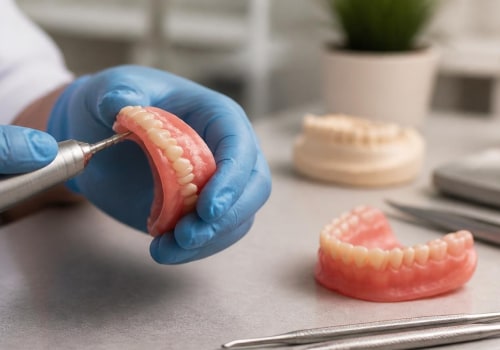
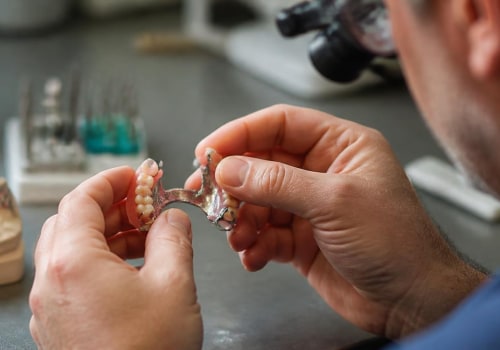
Denture repair is a critical aspect of maintaining oral health for those who rely on dentures for daily function. Over time, dentures can become damaged due to wear and tear, accidents, or improper handling. Understanding denture repair is essential for denture wearers, as it not only restores the functionality of the dentures but also ensures comfort and aesthetics. When a denture breaks or becomes loose, it can lead to discomfort and even affect one’s ability to eat or speak properly. There are various types of denture repairs that can be performed, ranging from simple fixes like reattaching a broken piece to more complex procedures that involve reshaping or relining the denture base.
Each type of repair requires specific techniques and materials, which is why it’s crucial to consult with a dental professional who specializes in denture care. This expertise ensures that the repair is done correctly and that the dentures will function as intended. Moreover, understanding the importance of proper cleaning and maintenance after a denture repair is vital. Regular cleaning not only prolongs the life of the dentures but also helps prevent oral health issues such as infections or bad breath. By prioritizing both repair and maintenance, denture wearers can enjoy a better quality of life with their dental prosthetics.
Why Proper Cleaning is Essential for Repaired Dentures
Maintaining clean dentures is crucial, especially after a denture repair.Proper cleaning not only enhances the appearance of your dentures but also plays a significant role in your overall health. When dentures are not cleaned regularly, they can harbor bacteria, food particles, and plaque, leading to various health issues.
Importance of Cleaning Dentures
- Prevention of Oral Infections: Dirty dentures can lead to oral infections such as stomatitis or gum disease. Bacteria thrive on unclean surfaces, increasing the risk of inflammation and discomfort.
- Reduction of Bad Breath: Food particles trapped in dentures can cause unpleasant odors. Regular cleaning helps eliminate these particles, ensuring fresh breath.
- Enhanced Comfort: Clean dentures fit better and feel more comfortable.
Residue buildup can cause irritation and soreness in the mouth.
Benefits of Clean Dentures
- Improved Longevity: Regular maintenance extends the life of your dentures. Cleaning prevents wear and tear that can occur from accumulated debris.
- Better Aesthetics: Clean dentures look more natural and appealing. Stains and discoloration can be avoided with proper care.
- Boosted Confidence: Knowing that your dentures are clean can enhance your self-esteem, allowing you to smile and speak without hesitation.
Health Risks of Dirty Dentures
- Increased Risk of Systemic Diseases: Poor oral hygiene has been linked to systemic conditions such as heart disease and diabetes. Bacteria from dirty dentures can enter the bloodstream, posing serious health risks.
- Gum Recession: Neglecting denture hygiene can lead to gum recession, which may require further dental intervention.
- Mouth Sores: Accumulated bacteria can cause painful sores in the mouth, making it difficult to eat or speak.
By prioritizing hygiene, you not only protect your oral health but also enhance the longevity and functionality of your dentures.
Best Practices for Cleaning Repaired Dentures
Cleaning and maintaining repaired dentures is crucial for ensuring their longevity and your oral health. Here are some effective methods and tips to keep your dentures in pristine condition.Daily Cleaning Routine
Establishing a daily cleaning routine is essential. Start by rinsing your dentures under warm water to remove food particles. Avoid using hot water, as it can warp the denture material.- Use a Soft-Bristled Brush: Invest in a denture brush or a soft-bristled toothbrush specifically designed for cleaning dentures.
This helps to gently scrub away plaque and stains without damaging the surface.
- Denture Cleaners: Utilize non-abrasive denture cleaners or mild dish soap. Avoid regular toothpaste, as it can be too abrasive and scratch the denture surface.
Soaking Solutions
In addition to brushing, soaking your repaired dentures can help maintain their cleanliness:- Soaking in Denture Solution: Use a commercial denture soaking solution as per the manufacturer's instructions. This helps to disinfect and remove stubborn stains.
- Homemade Solutions: A mixture of equal parts white vinegar and water can serve as an effective natural cleaner. Soak your dentures for about 30 minutes, then rinse thoroughly.
Handling and Storage
Proper handling and storage of your repaired dentures are equally important:- Avoid Dropping: Always clean your dentures over a soft surface or a towel to prevent breakage if they slip from your hands.
- Store Properly: When not in use, store your dentures in a container filled with water or a denture solution to prevent them from drying out and losing their shape.
Regular maintenance not only extends the life of your dentures but also contributes to your overall health and well-being.
Daily Maintenance Tips for Repaired Dentures
Maintaining your repaired dentures is crucial for ensuring their longevity and functionality. A consistent denture maintenance routine not only keeps your dentures clean but also promotes oral health. Here are some essential daily maintenance tips to follow:- Rinse After Eating: Always rinse your dentures with water after meals to remove food particles. This simple step helps prevent plaque buildup and keeps your mouth fresh.
- Brush Gently: Use a soft-bristled toothbrush specifically designed for dentures.
Brush your dentures at least once a day using a non-abrasive denture cleaner. Avoid regular toothpaste, as it can scratch the surface of your dentures.
- Soak Overnight: When not in use, soak your repaired dentures in a denture cleaning solution or plain water overnight. This helps maintain their shape and prevents them from drying out.
- Inspect Regularly: Check your dentures daily for any signs of wear or damage. Look for cracks, chips, or loose fittings that may require professional attention.
- Maintain Oral Hygiene: Don’t forget to care for your gums and remaining teeth.
Brush your gums, tongue, and any natural teeth twice a day to prevent bacteria buildup and maintain overall oral health.
Common Mistakes to Avoid When Caring for Repaired Dentures
Caring for repaired dentures requires attention to detail and an understanding of common pitfalls that can lead to further damage or discomfort. Here are some frequent mistakes to avoid:- Using Harsh Chemicals: Many people mistakenly believe that strong cleaning agents will do a better job. However, using bleach or abrasive cleaners can weaken the denture material and cause discoloration.
Stick to gentle cleansers specifically designed for dentures.
- Neglecting Daily Cleaning: Some individuals may think that since their dentures are repaired, they don’t need as much care. This is a misconception. Daily cleaning is essential to prevent plaque buildup and maintain oral hygiene.
- Improper Storage: Leaving dentures out in the open or storing them in hot water can warp their shape. Always store your repaired dentures in a clean, dry container filled with water or a denture solution when not in use.
- Skipping Regular Check-ups: After having dentures repaired, it’s crucial to continue regular dental visits.
Skipping these appointments can lead to unnoticed issues that may worsen over time.
- Ignoring Fit Issues: If your repaired dentures feel uncomfortable or loose, don’t ignore it. This can lead to sores and further complications. Consult your dentist for adjustments rather than trying to fix it yourself.
When to Seek Professional Help for Denture Maintenance
Maintaining your dentures is crucial for both oral health and overall comfort.However, there are times when professional denture care becomes necessary. Knowing when to seek help can prevent further complications and ensure your dentures remain in optimal condition.
Signs You Should See a Dentist for Dentures:
- Discomfort or Pain: If you experience persistent discomfort or pain while wearing your dentures, it may indicate an improper fit or underlying issues that need professional evaluation.
- Visible Damage: Cracks, chips, or any visible damage to your dentures should prompt a visit to your dentist. Even minor damage can worsen over time and lead to more significant problems.
- Changes in Fit: If your dentures feel loose or tight, it could be a sign of changes in your gums or jawbone structure. A dentist can assess the fit and make necessary adjustments.
- Difficulty Eating or Speaking: Struggling with everyday activities like eating or speaking can indicate that your dentures are not functioning as they should.
This is a clear sign that you need professional assistance.
- Signs of Infection: If you notice swelling, redness, or sores in your mouth, it’s essential to consult a dentist immediately. These symptoms could indicate an infection that requires treatment.
FAQs About Cleaning and Maintaining Repaired Dentures
When it comes to cleaning and maintaining repaired dentures, many individuals have questions about the best practices to ensure longevity and hygiene.Here are some frequently asked questions that can help guide you in caring for your dentures.
How often should I clean my repaired dentures?
It is recommended to clean your repaired dentures at least once a day. Regular cleaning helps prevent the buildup of plaque and bacteria, which can lead to oral health issues.What is the best way to clean my dentures?
- Use a soft-bristled brush: A denture brush is ideal for cleaning, as it is designed to reach all surfaces without damaging the material.
- Rinse after meals: Always rinse your dentures with water after eating to remove food particles.
- Avoid harsh chemicals: Do not use bleach or abrasive cleaners, as they can damage the denture material.
Can I use regular toothpaste on my dentures?
No, it is advisable to avoid regular toothpaste as it can be too abrasive. Instead, opt for a cleaner specifically designed for dentures.How should I store my repaired dentures?
When not in use, store your repaired dentures in a denture solution or plain water to keep them moist. This prevents them from drying out and losing their shape.What should I do if my dentures feel uncomfortable?
If your repaired dentures cause discomfort or irritation, consult your dentist.They can adjust the fit or check for any underlying issues that may need attention.Caring for your repaired dentures properly not only enhances their lifespan but also contributes to your overall oral health. By following these guidelines and addressing common concerns, you can maintain a healthy smile with confidence.
Conclusion: Key Takeaways for Denture Care
In conclusion, maintaining and cleaning your denture repair is crucial for ensuring its longevity and functionality. Proper care not only enhances the lifespan of your dentures but also promotes oral health and comfort. Here are the key takeaways to remember:- Daily Cleaning: Clean your repaired dentures daily using a soft-bristled toothbrush and a non-abrasive cleaner.
This helps remove food particles and plaque, preventing bacterial growth.
- Soaking Solutions: Utilize soaking solutions specifically designed for dentures. These can help in disinfecting and keeping your dentures fresh. Avoid using hot water, as it can warp the material.
- Avoid Harsh Chemicals: Steer clear of bleach or other harsh chemicals that can damage the denture material. Always opt for products recommended by dental professionals.
- Regular Check-ups: Schedule regular visits to your dentist to ensure that your repaired dentures fit properly and are in good condition.
This is essential for maintaining oral health.
- Handle with Care: When cleaning or handling your dentures, do so over a soft surface or a towel to prevent breakage if they slip from your hands.