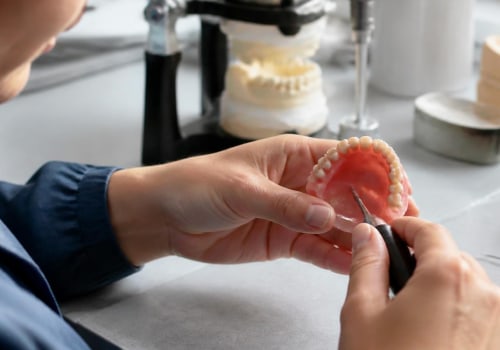
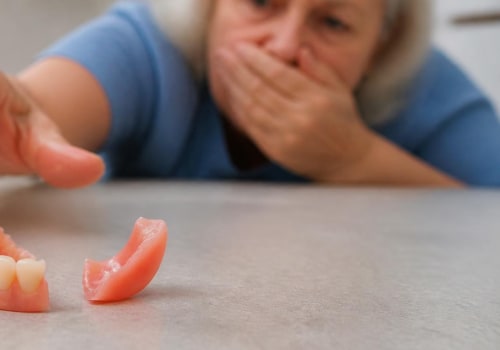
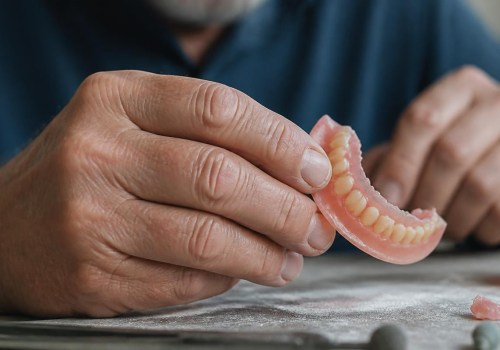
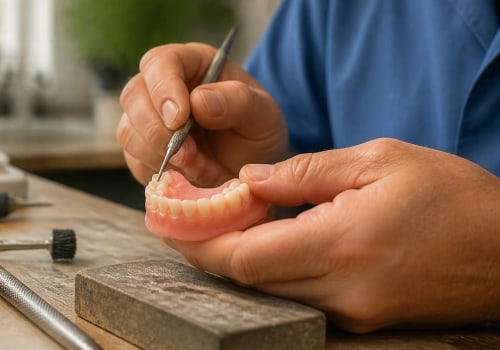
Denture repair is a crucial aspect of maintaining oral health and functionality for individuals who rely on dentures. Over time, dentures can experience wear and tear due to daily use, leading to common issues such as cracks, breaks, or misalignments. These problems not only affect the aesthetics of a smile but can also impact speech and eating habits, making timely repairs essential for comfort and confidence. The denture repair process involves assessing the damage and determining the best course of action to restore the denture's integrity. This often requires specialized materials that can effectively bond and reinforce the existing structure.
Understanding the various denture materials used in repairs is vital for both dental professionals and patients alike, as it influences the durability and longevity of the repaired dentures. In this article, we will explore the different materials utilized in denture repair, highlighting their unique properties and benefits. By gaining insight into these materials, readers will be better equipped to appreciate the importance of proper denture maintenance and the role that quality repairs play in ensuring a functional and aesthetically pleasing smile.
Common Types of Dentures
Dentures are prosthetic devices designed to replace missing teeth and restore functionality and aesthetics to the mouth. Understanding the different types of dentures is essential, as it directly impacts the materials used for denture repair.- Full Dentures: These are used when all natural teeth are missing in either the upper or lower jaw. Full dentures are custom-made to fit snugly over the gums, providing support for facial structures and improving speech and chewing ability.
The materials commonly used for full dentures include acrylic resin, which is lightweight and can be easily adjusted for comfort.
- Partial Dentures: Unlike full dentures, partial dentures are designed for individuals who still have some natural teeth remaining. They consist of replacement teeth attached to a gum-colored base, which is often made from acrylic or metal. Partial dentures help maintain the position of remaining teeth and prevent them from shifting. The materials used in partial dentures can vary, with options including flexible nylon or rigid acrylic, depending on the patient's needs.
For instance, acrylic resin is often used in both full and partial dentures due to its ease of repair and adjustment. However, metal frameworks in partial dentures may require specialized techniques for repairs.In summary, understanding the types of dentures—full and partial—is crucial for anyone considering denture repair. The choice of materials not only affects the initial fit and comfort but also plays a significant role in how easily repairs can be made when necessary.
Materials Used in Denture Repair
When it comes to denture repair, the choice of materials is crucial for ensuring durability, functionality, and aesthetics. The most commonly used materials in denture repair include acrylic resin and metal frameworks.Acrylic Resin
Acrylic resin is a popular choice for denture repairs due to its versatility and ease of use.This material is lightweight, making it comfortable for wearers, and it can be easily molded to match the original shape of the denture. Additionally, acrylic resin is available in various shades, allowing for a more natural appearance that blends seamlessly with existing teeth.
- Advantages of Acrylic Resin:
- Lightweight and comfortable
- Customizable color matching
- Good bonding properties with existing denture materials
- Cost-effective for repairs
Metal Frameworks
Metal frameworks, often made from materials like cobalt-chromium or titanium, are used in partial dentures and can also play a role in repairs. These frameworks provide added strength and stability, especially in cases where the denture has experienced significant wear or damage.- Advantages of Metal Frameworks:
- Enhanced durability and longevity
- Resistance to breakage under stress
- Improved fit due to precise manufacturing processes
- Less bulk compared to acrylic-only dentures
Understanding these materials helps ensure that patients receive high-quality repairs that restore both function and appearance.
Acrylic Resin: The Most Common Material
Acrylic resin is widely recognized as the most common material used in denture repair. This synthetic polymer is favored for its versatility, durability, and aesthetic qualities, making it an ideal choice for both temporary and permanent denture fixes.Composition of Acrylic Resin
- Acrylic resin is primarily composed of polymethyl methacrylate (PMMA), a lightweight and strong material.
- It can be easily molded and shaped to match the contours of existing dentures, ensuring a seamless repair.
- The material can be tinted to closely resemble natural gum tissue, enhancing the overall appearance of the denture.
Benefits of Acrylic Resin in Denture Repair
- Durability: Acrylic resin is resistant to wear and tear, making it suitable for daily use. It can withstand the forces of chewing without compromising its integrity.
- Lightweight: The lightweight nature of acrylic resin ensures that repaired dentures remain comfortable for the wearer, reducing any additional strain on the jaw.
- Ease of Repair: Dentists can quickly and effectively repair dentures using acrylic resin, minimizing the time patients need to be without their prosthetics.
- Cost-Effective: Compared to other materials, acrylic resin is relatively inexpensive, making it a budget-friendly option for denture repairs.
Metal Frameworks in Denture Repairs
When it comes to denture repair, the choice of materials plays a crucial role in ensuring the longevity and functionality of the prosthetic.One of the most reliable options available is the use of metal frameworks. These frameworks are typically made from high-quality alloys, such as cobalt-chromium or titanium, which provide exceptional strength and durability.
Advantages of Metal Frameworks in Denture Repairs
- Strength: Metal frameworks offer superior strength compared to plastic or acrylic alternatives. This strength is essential for supporting the denture and ensuring it can withstand daily wear and tear.
- Durability: Metal is less prone to cracking or breaking, making it an ideal choice for individuals who may be hard on their dentures. This durability translates to fewer repairs over time.
- Precision Fit: Metal frameworks can be custom-fabricated to fit the unique contours of a patient’s mouth, providing a more comfortable and secure fit.
- Lightweight: Despite their strength, metal frameworks are often lighter than their acrylic counterparts, enhancing comfort during wear.
- Corrosion Resistance: Many metal alloys used in denture frameworks are resistant to corrosion, which is particularly beneficial for maintaining hygiene and longevity.
They allow for thinner designs without compromising strength, which can lead to a more natural appearance. Furthermore, metal frameworks can support various types of denture teeth materials, providing flexibility in design and function.Overall, incorporating metal frameworks into denture repair not only improves the performance of the dentures but also contributes to a better quality of life for wearers. By choosing metal as a foundational material, patients can enjoy enhanced durability and comfort in their dental prosthetics.
Other Materials Used in Denture Repair
When it comes to denture repair, various materials can be utilized to restore functionality and aesthetics. While traditional acrylic resins are commonly used, there are other innovative materials that offer unique benefits.Flexible Materials
One of the most notable advancements in denture repair is the use of flexible materials.These materials, often made from thermoplastic polymers, provide a more comfortable fit and improved aesthetics. They are particularly beneficial for patients who experience discomfort with rigid dentures. Flexible dentures can adapt to the contours of the mouth, reducing pressure points and enhancing overall comfort.
Composite Resins
Composite resins are another option for denture repair. These materials are a mixture of plastic and fine glass particles, which provide strength and durability.Composite resins can be color-matched to the existing denture, making them an excellent choice for repairs that require a seamless appearance. Additionally, they bond well to existing denture materials, ensuring a strong and lasting repair.
Other Materials
- Metal Reinforcements: Some repairs may incorporate metal components for added strength, especially in areas subject to high stress.
- Silicone: Used primarily for soft liners, silicone can also be employed in repairs to enhance comfort and fit.
- Dental Adhesives: While not a repair material per se, high-quality dental adhesives can be crucial in securing repaired parts together effectively.
The Denture Repair Process: Step-by-Step Guide
Repairing dentures is a meticulous process that requires careful attention to detail and the right materials. Here’s a step-by-step guide to the denture repair process, highlighting how different materials are utilized at each stage.- Assessment of Damage: The first step involves a thorough examination of the dentures to identify the extent of the damage.
This may include cracks, breaks, or loose components. Understanding the type of damage is crucial for determining the appropriate repair method.
- Cleaning: Before any repairs can be made, the dentures must be cleaned to remove any debris or bacteria. A gentle cleaning solution is often used, ensuring that the surface is ready for bonding.
- Choosing the Right Material: Depending on the type of repair needed, different materials may be used:
- Acrylic Resin: Commonly used for minor repairs, acrylic resin can effectively bond broken pieces together and is often used for filling in gaps.
- Dental Adhesives: These are specially formulated glues designed for dental applications. They provide a strong bond and are typically used for reattaching loose teeth or components.
- Metal Framework: In cases where structural support is needed, a metal framework may be incorporated into the repair to enhance durability.
- Repair Application: Once the appropriate materials are selected, they are applied according to the manufacturer’s instructions.
This may involve mixing components, applying adhesives, or molding acrylic resin into place.
- Curing: After application, the repair must be cured or set. This can involve using a UV light or allowing it to air dry, depending on the materials used. Proper curing is essential for ensuring a strong bond.
- Finishing Touches: Once cured, any excess material is trimmed away, and the surface is polished to restore its original appearance. This step ensures that the repaired area blends seamlessly with the rest of the denture.
- Final Inspection: The last step involves a thorough inspection to ensure that the repair is secure and that the dentures function properly.
Adjustments may be made if necessary.
Frequently Asked Questions about Denture Repair Materials
When it comes to denture repair, many individuals have questions about the materials used in the process. Understanding these materials can help you make informed decisions regarding your dental health.What materials are commonly used for denture repair?
- Resin-based materials: These are the most common materials used for repairing dentures. They are durable, easy to mold, and can be color-matched to existing denture shades.
- Metal frameworks: In some cases, metal components may be used to reinforce the structure of the denture, especially in partial dentures.
These metals provide strength and stability.
- Composite materials: These are often used for aesthetic repairs, such as fixing chips or cracks. Composites can be shaped and polished to blend seamlessly with the existing denture.
How long do repairs typically last?
The longevity of a denture repair largely depends on the materials used and the extent of the damage. Generally, repairs made with high-quality resin or composite materials can last several months to a few years with proper care.Can I repair my dentures at home?
While there are DIY kits available for minor repairs, it is highly recommended to seek professional help for significant damage. Home repairs may not provide a lasting solution and could lead to further complications.What should I do if my dentures break?
If your dentures break, avoid using superglue or other adhesives as they can be harmful.Instead, contact your dentist immediately for a professional assessment and repair.By understanding these aspects of denture repair, you can better navigate your options and ensure your dentures remain functional and comfortable.
Conclusion: Key Takeaways on Denture Repair Materials
In summary, understanding the various denture repair materials is crucial for anyone who relies on dentures for their daily dental needs. Each material offers unique benefits and drawbacks, making it essential to choose the right one based on individual circumstances.Key materials used in denture repair include:- Resin-based materials: These are commonly used due to their ease of application and ability to bond well with existing denture structures. They are ideal for minor repairs and adjustments.
- Metal frameworks: Often used in partial dentures, metal frameworks provide strength and durability. They are particularly beneficial for patients who require extensive repairs.
- Composite materials: Known for their aesthetic appeal, composites can be color-matched to existing teeth, making them a popular choice for visible areas.
- Heat-cured acrylics: These materials are favored for their strength and resistance to wear, making them suitable for full denture repairs.
Properly repaired dentures can enhance comfort, improve functionality, and prevent further oral health issues. Regular maintenance and timely repairs are essential to ensure that dentures remain in optimal condition. Ultimately, consulting with a dental professional is recommended to determine the most suitable denture repair material based on individual needs and circumstances. By prioritizing quality repairs, patients can enjoy a better quality of life with their dentures.