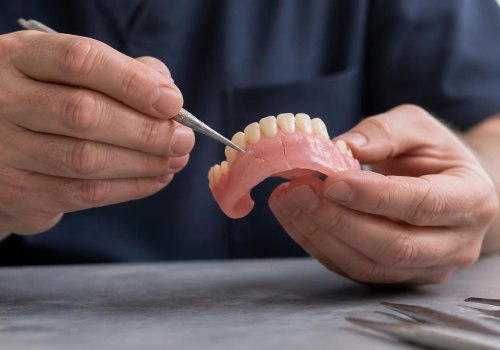
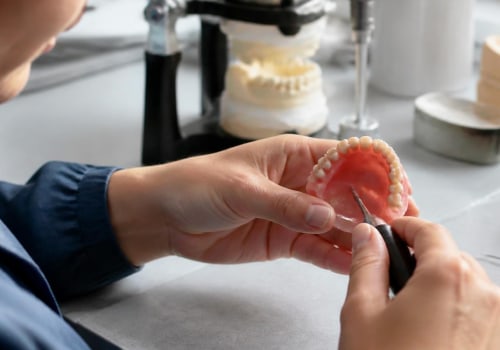
Dentures are removable dental appliances designed to replace missing teeth and restore functionality to the mouth. They play a crucial role in enhancing the quality of life for individuals who have lost their natural teeth due to various reasons, including age, injury, or dental disease. While dentures can significantly improve one’s ability to eat, speak, and smile confidently, they are not without their challenges. Understanding the common issues associated with denture repair is essential for maintaining their effectiveness and longevity. One of the most prevalent problems faced by denture wearers is the wear and tear that occurs over time.
This can manifest as cracks, chips, or even complete breaks in the denture structure. Additionally, improper fit can lead to discomfort and difficulty in daily activities such as eating and speaking. Other common issues include staining from food and beverages, as well as changes in the shape of the gums that can affect how well the dentures stay in place. Recognizing these problems early on is vital for timely denture repair and ensuring that your dentures continue to serve their purpose. There are various types of dentures available, including complete dentures for those who have lost all their teeth and partial dentures for individuals who still have some natural teeth remaining.
Each type comes with its own set of potential issues that may require different approaches to repair. By understanding these common denture problems and their implications, wearers can better appreciate the importance of regular maintenance and timely repairs, setting the stage for exploring effective DIY methods for denture repair.
When to Consider DIY Denture Repair
Understanding when to repair dentures is crucial for maintaining oral health and comfort. While professional repair is often the safest route, there are specific scenarios where DIY denture repair can be appropriate. First, consider attempting a DIY repair if you notice minor issues such as:- Small cracks in the denture base that do not affect the fit.
- Loose teeth that can be reattached with appropriate adhesive.
- Minor chips that do not compromise the overall structure.
- A significant break or fracture that alters the shape of the denture.
- Pain or discomfort while wearing your dentures.
- A change in fit that causes slippage or irritation.
Always prioritize your health and safety when considering denture repair. If you feel uncertain about the extent of the damage, consulting with a dental professional is advisable. They can provide guidance on whether a DIY approach is suitable or if immediate professional intervention is necessary. Ultimately, while DIY methods can be effective for minor repairs, understanding your limits and recognizing when to seek help is key to ensuring your dentures remain functional and comfortable.
Essential Tools and Materials for Denture Repair
When it comes to denture repair, having the right tools and materials is crucial for achieving effective results. Whether you're dealing with a minor crack or a more significant break, being well-prepared can make the repair process smoother and more successful.Essential Tools for Denture Repair
- Denture Adhesive: A strong adhesive specifically designed for dentures can help hold pieces together during the repair process.
- Dental Wax: Useful for filling in gaps and providing a temporary fix until a more permanent solution is applied.
- Small Brush: A fine brush can help apply adhesive precisely and clean any debris from the denture surface.
- Scissors: A pair of small scissors can be handy for trimming dental wax or other materials to the desired size.
- File or Sandpaper: These tools are essential for smoothing out rough edges after a repair, ensuring comfort when wearing the dentures.
Materials Needed for Denture Repair
- Denture Repair Kit: A comprehensive kit typically includes adhesive, wax, and tools specifically designed for denture repairs.
Look for kits that are highly rated and include clear instructions.
- Super Glue: In some cases, a high-quality super glue can be used for quick fixes, but it’s important to ensure it’s safe for oral use.
- Alcohol Wipes: These are useful for cleaning the denture before applying any adhesives or repairs.
Step-by-Step Guide to Common DIY Denture Repairs
When it comes to denture repair, knowing how to fix common issues at home can save you time and money. Below is a step-by-step guide to help you tackle some of the most frequent problems.Fixing Cracks in Dentures
If you notice a crack in your dentures, follow these steps:- Clean the Area: Rinse the denture under warm water to remove any debris.
- Apply Denture Repair Kit: Use a denture repair kit that includes adhesive specifically designed for dentures. Follow the instructions on the package carefully.
- Press and Hold: Align the cracked pieces and press them together firmly.
Hold for the recommended time as per the adhesive instructions.
- Let it Cure: Allow the adhesive to cure completely before using the denture again, usually for at least 24 hours.
Reattaching Broken Pieces
If a piece of your denture has broken off, you can reattach it using a similar method:- Gather Materials: Ensure you have a denture repair kit and clean your dentures thoroughly.
- Mix Adhesive: If your kit requires mixing, prepare the adhesive according to the instructions.
- Apply and Position: Apply the adhesive to both surfaces of the broken piece and press it back into place.
- Secure and Wait: Use a cloth or bandage to hold the piece in place while it sets. Allow adequate time for curing.
Adjusting Fit
If your dentures feel loose or uncomfortable, you can make minor adjustments:- Identify Problem Areas: Check for any areas that may be causing discomfort or looseness.
- Denture Adhesive: Consider using a denture adhesive to improve fit temporarily.
- Sanding (if necessary): For minor adjustments, use fine-grit sandpaper to smooth out rough edges. Be cautious not to remove too much material.
DIY Denture Repair: Tips and Best Practices
When it comes to denture repair, having a few DIY methods at your disposal can save you time and money.However, it’s essential to approach these repairs with caution to avoid further damage. Here are some practical tips and best practices for successful repairs and ongoing denture maintenance.
- Assess the Damage: Before attempting any repair, carefully examine your dentures. Identify whether the issue is a crack, break, or loose fitting. This will help you determine the best course of action.
- Use the Right Adhesive: For minor cracks or breaks, a dental adhesive specifically designed for dentures is ideal.
Avoid using super glue or other household adhesives, as they can be harmful and may not hold up under pressure.
- Follow Instructions: If you’re using a denture repair kit, make sure to follow the instructions carefully. Each product may have specific steps that are crucial for effective repair.
- Allow Proper Drying Time: After applying adhesive, allow sufficient time for it to cure before using your dentures again. This ensures a strong bond and prevents further issues.
- Regular Cleaning: Clean your dentures daily with a soft-bristle brush and a non-abrasive cleaner. This helps remove food particles and plaque buildup.
- Avoid Hot Water: Never use hot water to clean your dentures, as it can warp the material.
Stick to lukewarm water instead.
- Store Properly: When not in use, store your dentures in a clean container filled with water or a denture solution to prevent them from drying out.
- Regular Check-ups: Schedule regular visits with your dentist to ensure that your dentures fit properly and are in good condition. They can also provide professional cleaning and maintenance tips.
Potential Risks and Limitations of DIY Denture Repair
While the idea of DIY denture repair may seem appealing due to its potential cost savings and convenience, there are significant risks and limitations that individuals should consider before attempting any home repairs.Risks of DIY Denture Repair
One of the primary risks associated with denture repair at home is the possibility of causing further damage. Many adhesives and materials available for consumer use are not designed for dental applications and can lead to:- Inadequate bonding: Using the wrong adhesive may result in a weak bond, causing the denture to break again or become uncomfortable.
- Health hazards: Some adhesives contain harmful chemicals that can irritate the gums or lead to allergic reactions.
- Poor fit: Improper repairs can alter the fit of the denture, leading to discomfort, difficulty eating, or even injury to the mouth.
Limitations of Home Repairs
Another important consideration is the limitations of DIY methods. Home repairs may only address superficial issues, such as minor cracks or loose components, but they often fail to resolve underlying problems.For instance:
- Structural integrity: If a denture has significant structural damage, a DIY approach is unlikely to restore its original strength.
- Aesthetic concerns: Achieving a natural appearance can be challenging without professional tools and materials.
- Lack of expertise: Without proper training, individuals may misdiagnose issues or overlook critical repairs that require professional attention.
When to See a Dentist
If you encounter any issues with your dentures, it is crucial to recognize when it’s time to seek professional help. Consider visiting a dentist if you experience:- Pain or discomfort: Persistent pain may indicate a more serious issue that needs immediate attention.
- Significant damage: If your denture is broken into multiple pieces or has extensive wear, professional repair is necessary.
- Changes in fit: If your dentures no longer fit properly, a dentist can make adjustments that ensure comfort and functionality.
Frequently Asked Questions About Denture Repair
When it comes to denture repair, many individuals have questions about the process, longevity of repairs, and the best practices for maintaining their dentures. Here are some frequently asked questions that can help clarify these concerns.What are common questions about dentures?
- How often should I have my dentures checked? It is advisable to have your dentures checked by a professional at least once a year to ensure they fit properly and are in good condition.
- Can I fix my dentures at home? While some minor repairs can be done at home using denture repair kits, it is always best to consult with a dental professional for significant issues.
- What materials are used in denture repair? Common materials include acrylic resin and dental adhesives, which can be found in most denture repair kits.
How long do repairs last?
The longevity of denture repairs can vary based on several factors, including the type of repair performed and how well the dentures are maintained.Generally, DIY repairs may last from a few days to several weeks, depending on the severity of the damage and the quality of the materials used. However, professional repairs tend to be more durable and can last for years if properly cared for.It’s important to note that while DIY methods can provide a temporary solution, they are not a substitute for professional care. If you notice persistent issues with your dentures, such as discomfort or difficulty chewing, it’s crucial to seek advice from your dentist.In summary, understanding these common questions about denture repair can help you make informed decisions regarding your oral health. Always prioritize professional guidance when dealing with significant denture issues.
Conclusion: Weighing Your Options for Denture Repair
In conclusion, when it comes to denture repair, understanding your options is crucial for maintaining both the functionality and aesthetics of your dentures.Throughout this article, we explored various DIY methods that can provide temporary fixes, such as using dental adhesive or super glue for minor repairs. While these methods can be convenient and cost-effective, they come with significant risks, including potential damage to the dentures and harm to your oral health.On the other hand, professional denture repair services offer a level of expertise and safety that DIY methods cannot match. Dentists have access to specialized tools and materials that ensure a proper fit and finish, which is essential for comfort and function. Moreover, professional repairs can address underlying issues that may not be apparent during a DIY attempt.Ultimately, the choice between DIY and professional repair should be guided by the extent of the damage and your comfort level with performing repairs yourself.
For minor issues, a DIY approach may suffice, but for significant damage or persistent problems, seeking professional help is advisable.In summary, while denture repair can sometimes be handled at home, it is important to weigh the pros and cons carefully. Prioritizing your oral health and the longevity of your dentures should always be at the forefront of your decision-making process.