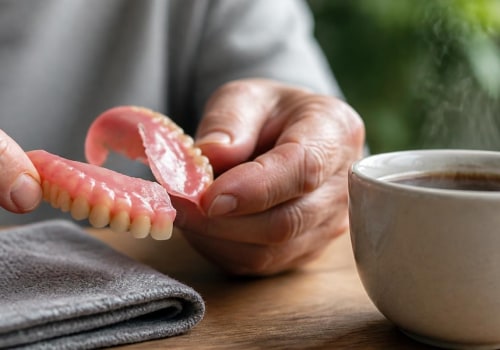
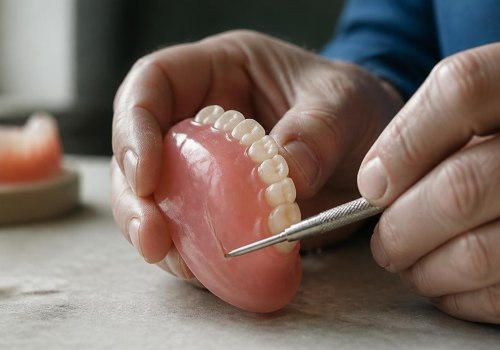
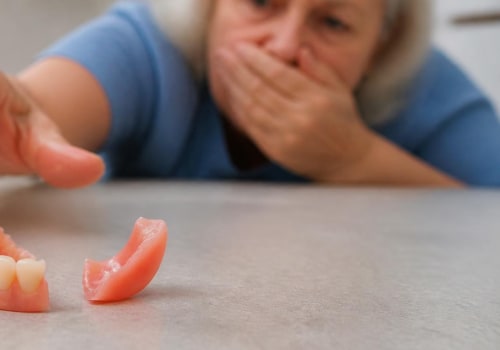
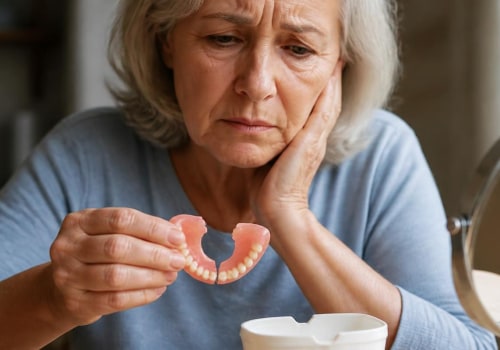
Dentures are prosthetic devices designed to replace missing teeth, providing both functional and aesthetic benefits to individuals who have lost their natural teeth. They play a crucial role in restoring the ability to chew, speak, and smile confidently. However, like any dental appliance, dentures are not immune to wear and tear. Over time, they can become damaged due to various factors such as accidental drops, improper handling, or even natural degradation from daily use. Common issues that lead to the need for denture repair include cracks, chips, and misalignment.
These problems can significantly affect the comfort and effectiveness of the dentures, making it difficult for users to perform everyday tasks like eating or speaking. Additionally, ill-fitting dentures can cause irritation and sores in the mouth, further complicating the situation. Regular maintenance is essential to prolong the lifespan of dentures and minimize the likelihood of damage. Understanding these common denture problems is vital for anyone who relies on them. It not only helps in recognizing when repairs are necessary but also opens up discussions about potential alternatives to traditional repair methods.
As we delve deeper into this topic, we will explore various options available for those facing denture issues, ensuring that users can maintain their quality of life without compromising on comfort or functionality.
The Importance of Proper Denture Care
Caring for your dentures is essential not only for maintaining their appearance but also for ensuring your oral health. Proper denture care can significantly reduce the likelihood of damage, thereby minimizing the need for denture repair. Here are some effective tips to help you maintain your dentures:- Daily Cleaning: Just like natural teeth, dentures require daily cleaning. Use a soft-bristled brush specifically designed for dentures to remove food particles and plaque.
Avoid using regular toothpaste, as it can be abrasive.
- Soaking: Soak your dentures in a denture cleaning solution overnight. This helps to disinfect them and remove stubborn stains. Ensure that the solution is safe for your type of dentures.
- Rinse After Eating: After meals, rinse your dentures with water to eliminate any food debris. This simple step can prevent buildup and keep your dentures fresh.
- Avoid Hot Water: Never use hot water to clean or soak your dentures, as it can warp the material.
Stick to lukewarm or cool water to maintain their shape.
- Handle with Care: When cleaning or handling your dentures, do so over a soft surface or a towel. This precaution can prevent them from breaking if dropped.
When to Consider Repairing Your Dentures
Understanding when to repair your dentures is essential for maintaining oral health and comfort.Signs that indicate a need for denture repair can vary, but there are common indicators to watch for:
- Visible Damage: Cracks, chips, or breaks in the denture material are clear signs that repair is necessary.
- Pain or Discomfort: If your dentures cause pain or discomfort while wearing them, it may indicate that they are not fitting properly due to damage.
- Changes in Fit: If your dentures feel loose or shift during eating or speaking, this could be a sign of wear and tear.
- Staining or Discoloration: While not always a structural issue, significant staining can affect the appearance and hygiene of your dentures.
- Visual Inspection: Examine your dentures closely for any visible cracks or chips. Use a magnifying glass if necessary.
- Fit Test: Place the dentures in your mouth and check for any discomfort or looseness. Pay attention to how they feel during normal activities like chewing and speaking.
- Consultation with a Professional: If you notice any signs of damage, it’s best to consult with your dentist.
They can provide a thorough assessment and recommend whether repair is needed or if alternatives should be considered.
Alternatives to Denture Repair: An Overview
When faced with the dilemma of denture repair, many individuals may wonder about the available alternatives. While repairing damaged dentures is a common solution, there are several other options worth considering that can restore functionality and comfort.Denture Replacement Options
- Full Dentures: If your current dentures are beyond repair, opting for a new set of full dentures may be the best choice. This option allows for a fresh start, ensuring that the fit and aesthetics are tailored to your current oral health.
- Partial Dentures: For those who still have some natural teeth, partial dentures can be an effective alternative. They fill in gaps left by missing teeth and can be designed to blend seamlessly with existing teeth.
- Implant-Supported Dentures: For a more permanent solution, consider implant-supported dentures.
These are anchored to dental implants, providing enhanced stability and comfort compared to traditional dentures.
- Denture Relining: If your dentures have become loose or uncomfortable, relining them can improve their fit without the need for complete replacement. This process involves adding new material to the base of the denture.
- Denture Adhesives: While not a permanent solution, using denture adhesives can help secure loose dentures temporarily until a more permanent solution is found.
Temporary Solutions for Damaged Dentures
When faced with a damaged denture, immediate action can help alleviate discomfort and restore functionality until professional repair is possible. Here are some effective temporary denture fixes you can try at home:- Use Denture Adhesive: If your denture has become loose or is not fitting properly, applying a small amount of denture adhesive can provide a temporary hold.
Make sure to clean the denture thoroughly before application to ensure the adhesive sticks well.
- Repair with Super Glue: For minor cracks or breaks, a small amount of super glue can be used as a quick fix. However, this should only be a last resort, as super glue is not designed for dental use and may not be safe for long-term application.
- Temporary Soft Liner: If your denture feels uncomfortable due to wear or damage, consider using a temporary soft liner. These liners can be purchased at most drugstores and provide cushioning until you can see your dentist.
- Cold Water Soak: If your denture has warped, soaking it in cold water may help it regain its shape temporarily. Avoid hot water, as it can further distort the material.
It’s essential to schedule an appointment with your dentist as soon as possible to ensure that your dentures are repaired correctly and safely.Remember, DIY denture repair should only be considered a stopgap measure. Long-term use of makeshift solutions can lead to further complications or discomfort.
Professional Alternatives: What Your Dentist Can Offer
When it comes to denture repair, seeking professional help from a dentist can often be the best course of action. While DIY methods may seem tempting, they can lead to further complications or even damage your dentures beyond repair. Here are some professional alternatives that your dentist can offer:- Comprehensive Denture Assessment: A dentist will conduct a thorough examination of your dentures to identify any underlying issues that may not be immediately visible.
This assessment is crucial for determining the best repair or replacement options.
- Professional Repair Services: Many dental offices offer specialized repair services that can fix cracks, chips, or breaks in your dentures. These repairs are typically more durable than at-home fixes and can restore the functionality and aesthetics of your dentures.
- Denture Relining: Over time, the shape of your gums may change, leading to an improper fit. Dentists can perform a relining procedure to ensure that your dentures fit snugly and comfortably, which is essential for effective chewing and speaking.
- Replacement Options: If your dentures are beyond repair, your dentist can discuss various replacement options with you. This may include traditional dentures, implant-supported dentures, or partial dentures, depending on your specific needs and preferences.
By prioritizing professional denture services, you can maintain your oral health and enjoy a confident smile.
Cost Considerations: Repair vs. Replacement
When considering denture repair versus replacement, understanding the financial implications is crucial. The costs associated with each option can vary significantly based on several factors, including the extent of damage, the type of dentures, and the dental provider's pricing.Denture Repair Costs
Repairing dentures typically ranges from $100 to $500, depending on the complexity of the repair. Simple fixes, such as reattaching a broken tooth or mending a crack, are generally less expensive.However, more extensive repairs may require specialized techniques or materials, which can increase costs. Additionally, some dental practices may charge a premium for same-day service or emergency repairs.
Denture Replacement Costs
In contrast, replacing dentures can be significantly more expensive. The average cost for a new set of dentures can range from $1,000 to $3,000 or more. Factors influencing this price include the materials used (e.g., acrylic vs.porcelain), the type of dentures (full vs. partial), and whether they are custom-made or standard models. Furthermore, if you require additional fittings or adjustments after receiving new dentures, these costs can add up quickly.
Cost Comparison
- Repairing Dentures: $100 - $500
- Replacing Dentures: $1,000 - $3,000+
If your dentures are frequently breaking or showing signs of wear, investing in a new set could be more beneficial in terms of comfort and functionality.Before making a decision, it’s advisable to consult with your dentist to evaluate the condition of your current dentures and discuss potential costs associated with both options. This will help you make an informed choice that aligns with your budget and dental health needs.
Frequently Asked Questions About Denture Repair Alternatives
When it comes to denture repair, many individuals have questions about the alternatives available. Here are some frequently asked questions that can help clarify your options:- What are the common alternatives to repairing dentures?
Some alternatives include using temporary denture adhesives, opting for a new set of dentures, or considering dental implants as a more permanent solution. - Can I fix my dentures at home?
While there are DIY repair kits available, it is generally not recommended to attempt home repairs. These kits may not provide a durable solution and could potentially cause further damage. - How can I prevent my dentures from getting damaged?
To prevent damage, always handle your dentures with care, store them in a safe place when not in use, and avoid using abrasive cleaners.Regular check-ups with your dentist can also help maintain their condition.
- What should I do if my denture breaks?
If your denture breaks, it’s best to consult with your dentist immediately. They can assess the damage and recommend the best course of action, whether it be repair or replacement. - Are there any long-term solutions for denture issues?
Yes, dental implants are a long-term solution that can provide stability and comfort. They serve as a foundation for replacement teeth and can eliminate many issues associated with traditional dentures.
Conclusion: Making Informed Decisions About Your Dentures
In conclusion, understanding the various options available for denture repair is crucial for maintaining your oral health and overall well-being.Throughout this article, we have explored several alternatives to traditional denture repair, including:
- DIY Repair Kits: These kits can provide a temporary solution for minor damages, allowing you to manage your dentures until professional help is available.
- Replacement: In some cases, it may be more cost-effective and beneficial to replace damaged dentures rather than attempting repairs.
- Consultation with a Dental Professional: Seeking advice from a dentist can help you understand the best course of action based on the extent of the damage and your specific needs.
Remember that your dentures are an integral part of your daily life, affecting not only your ability to eat and speak but also your confidence.Ultimately, being informed about all available options empowers you to make the best choice for your situation. Whether you opt for a quick fix or a long-term solution, prioritizing your dental health will lead to better outcomes in the long run.