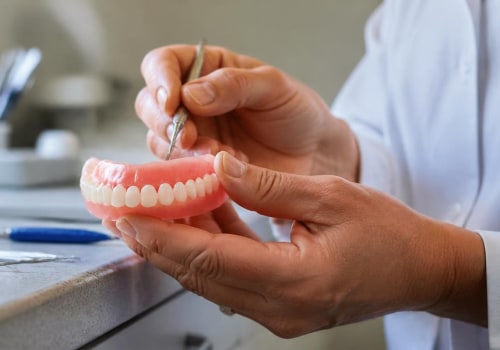
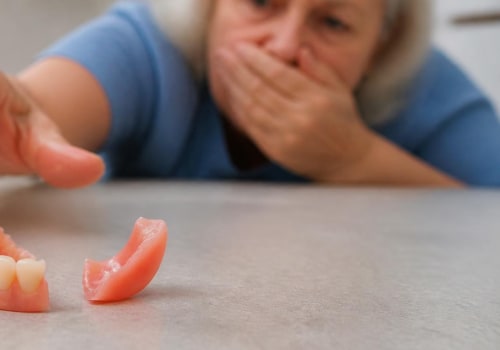
Understanding denture breakage is essential for anyone who relies on these dental appliances for daily function and aesthetics. Dentures, whether full or partial, are designed to restore the natural appearance of teeth and improve oral health. However, they are not impervious to damage. Common causes of denture break include accidental drops, improper handling, and wear and tear over time.
Additionally, factors such as age, material quality, and even dietary choices can contribute to the likelihood of breakage. There are several types of dentures available today, each with its own advantages and potential vulnerabilities.
Full dentures
replace all missing teeth in either the upper or lower jaw, while partial dentures fill in gaps left by lost teeth.Implant-supported dentures
offer a more stable solution by anchoring to dental implants, but they can still be susceptible to issues if not properly maintained. Understanding the specific type of denture you have can help you identify potential risks and take proactive measures to prevent damage. Recognizing the signs of wear or impending breakage is crucial for denture wearers.If you notice any cracks, discomfort, or changes in fit, it’s important to address these issues promptly. By being aware of the common causes of denture breakage and the types available, you can better prepare yourself for unexpected situations and ensure your oral health remains a priority.
Immediate Steps to Take After a Denture Break
When your denture breaks outside of regular business hours, it can be a stressful situation. However, taking immediate action can help minimize damage and ensure your safety. Here are the steps you should follow:- Stay Calm: The first step is to remain calm.
Panicking can lead to hasty decisions that may worsen the situation.
- Assess the Damage: Carefully examine the broken pieces of your denture. Identify whether it’s a minor crack or a complete break. This will help you determine the urgency of the repair.
- Gather the Pieces: Collect all fragments of your denture. If possible, keep them in a safe place, such as a small container, to avoid losing any parts.
- Avoid DIY Repairs: While it may be tempting to use super glue or other adhesives for a quick fix, this can cause further damage and may not be safe for your mouth.
Avoid any makeshift repairs until you can consult a professional.
- Clean Your Mouth: Rinse your mouth gently with warm water to remove any debris. This will help prevent irritation or infection.
- Contact Your Dentist: As soon as possible, reach out to your dentist or an emergency dental service. Explain the situation and follow their advice on how to proceed.
Remember, taking these immediate steps can help protect your oral health and ensure that your denture repair is handled properly when you are able to see a professional.
Temporary Solutions for Broken Dentures
When faced with a broken denture outside of regular business hours, it’s essential to have some temporary solutions at your disposal. While these fixes are not permanent, they can help you manage discomfort and maintain functionality until you can see a professional.- Use Dental Adhesive: If your denture has cracked but is still in one piece, applying a small amount of dental adhesive can help hold it together temporarily. Make sure to clean the area thoroughly before application.
- Super Glue Caution: In some cases, individuals may consider using super glue for quick fixes. However, this is not recommended as it can be harmful if ingested and may damage the denture further.
- Cold Compress: If your denture break has caused discomfort or swelling in your gums, applying a cold compress can help alleviate pain and reduce inflammation.
- Soft Foods: While waiting for professional repair, stick to soft foods that require minimal chewing.
This will help prevent further damage to your denture and keep you comfortable.
- Temporary Denture Repair Kits: Many pharmacies offer temporary denture repair kits. These kits typically include materials designed for quick fixes and can be a lifesaver in emergencies.
- Wax or Putty: If a tooth has broken off, using dental wax or putty can help fill the gap temporarily. This will not only improve aesthetics but also provide some comfort while chewing.
- Adjusting Fit: If your denture feels loose due to a break, try using a small piece of gauze or cotton to create a snugger fit until you can get it adjusted professionally.
Finding Emergency Denture Repair Services
When faced with a broken denture outside of regular business hours, it’s crucial to know how to find emergency denture repair services.Here are some effective strategies to help you locate the assistance you need:
- Search Online: Utilize search engines to look for after hours denture repair services in your area. Use keywords like "emergency denture repair near me" or "urgent dental care for dentures" to narrow down your options.
- Check Local Listings: Websites like Yelp, Google Maps, or local dental directories can provide listings of dental offices that offer emergency services. Look for reviews and ratings to gauge the quality of service.
- Contact Your Regular Dentist: Even if it’s after hours, many dental offices have an emergency contact number. Call your regular dentist’s office; they may have a protocol in place for urgent situations or can refer you to a trusted colleague.
- Visit Urgent Care Clinics: Some urgent care facilities may have dental professionals on staff who can assist with denture repairs.
Call ahead to confirm their capabilities.
- Ask for Recommendations: If you have friends or family members who wear dentures, ask them if they know of any reliable emergency repair services. Personal recommendations can lead you to trustworthy options.
What to Expect from Professional Denture Repair
When you find yourself in need of denture repair, understanding the professional process can alleviate some of the stress associated with a broken denture.Here’s what you can expect during your visit to a dental professional.
Initial Assessment
Upon arrival, the dentist or dental technician will conduct a thorough examination of your broken denture. This assessment helps determine the extent of the damage and the best course of action for repair. They will check for cracks, chips, or any other issues that may affect the functionality and aesthetics of your dentures.
The Repair Process
Once the assessment is complete, the repair process typically involves:
- Cleaning: The denture will be cleaned to remove any debris or bacteria.
- Repairing: Depending on the damage, the technician may use specialized adhesives or materials to bond broken pieces together. For more extensive damage, they might need to create a new part or even a new denture.
- Polishing: After repairs are made, the denture is polished to restore its original shine and ensure comfort when worn.
Timeframe
The duration of the repair process can vary.
Minor repairs may take as little as an hour, while more complex issues could require several hours or even a few days, especially if a new denture needs to be fabricated.
Costs Involved
The cost of denture repair can vary widely based on several factors:
- Type of Damage: Simple repairs are generally less expensive than extensive ones.
- Location: Prices may differ depending on your geographical area and the specific dental practice.
- Insurance Coverage: Some dental insurance plans may cover part of the repair costs, so it’s advisable to check with your provider.
Preventing Future Denture Breakage
Maintaining your dentures is crucial for preventing future breakage and ensuring they last as long as possible. Here are some effective denture care tips to help you keep your dental appliances in top condition:- Handle with Care: Always handle your dentures gently.
When cleaning or removing them, do so over a soft surface, like a towel or a basin filled with water, to prevent them from breaking if dropped.
- Regular Cleaning: Clean your dentures daily using a soft-bristled brush and a non-abrasive cleaner specifically designed for dentures. Avoid using regular toothpaste, as it can scratch the surface.
- Soak Overnight: Soaking your dentures in a denture solution overnight helps to keep them moist and prevents them from losing their shape. Make sure to follow the manufacturer's instructions for soaking solutions.
- Avoid Hot Water: Never use hot water to clean or soak your dentures, as it can warp the material. Stick to lukewarm or cool water to maintain their integrity.
- Limit Hard Foods: Be cautious with hard or sticky foods that can put excessive pressure on your dentures.
Cutting food into smaller pieces can help reduce the risk of damage.
- Regular Check-ups: Schedule regular visits with your dentist to ensure that your dentures fit properly. Ill-fitting dentures can lead to fractures and discomfort.
Frequently Asked Questions About Denture Repair
When it comes to denture repair, many individuals have questions regarding the best practices for maintaining their dentures and what to do in case of an emergency. Here are some frequently asked questions that can help you navigate these situations.- What should I do if my denture breaks?
If your denture breaks, try to keep all the pieces together.Avoid using super glue or any adhesive not designed for dental use, as this can cause further damage. Instead, contact your dentist as soon as possible for professional repair.
- Can I repair my denture at home?
While there are temporary solutions available, such as denture repair kits, these should only be used in emergencies. A professional repair is always recommended to ensure the integrity and fit of your dentures. - How can I prevent my dentures from breaking?
To minimize the risk of breakage, handle your dentures with care, avoid using them for hard foods, and store them in a safe place when not in use. Regular check-ups with your dentist can also help identify potential issues before they become serious. - What are the signs that my dentures need repair?
If you notice cracks, chips, or if your dentures feel loose or uncomfortable, it’s time to consult your dentist.Ignoring these signs can lead to more significant problems down the line.
- How often should I have my dentures checked?
It’s advisable to have your dentures checked at least once a year. Regular visits allow your dentist to assess the fit and condition of your dentures and make necessary adjustments.
Conclusion: Key Takeaways on Denture Repair After Hours
In summary, knowing how to respond when your denture breaks outside of regular business hours is crucial for maintaining your oral health and comfort. Here are the key takeaways to keep in mind:- Stay Calm: Panicking can lead to poor decision-making. Take a moment to assess the situation.
- Temporary Solutions: If possible, use dental adhesive or a temporary repair kit to hold your denture together until you can see a professional.
- Contact Emergency Services: If the break is severe or causing pain, don’t hesitate to reach out to an emergency dental service.
Many clinics offer after-hours support.
- Avoid DIY Repairs: While it may be tempting to try and fix your denture yourself with superglue or other household items, this can lead to further damage and complications.
- Plan Ahead: Familiarize yourself with local emergency dental services and keep their contact information handy. This preparation can save you time and stress in a crisis.