Denture repair is a crucial aspect of maintaining oral health and functionality for individuals who rely on dentures. Over time, dentures can become damaged due to wear and tear, accidents, or improper care. This can lead to discomfort and difficulties in daily activities such as eating and speaking. Understanding the costs associated with denture repair and whether these expenses are covered by dental insurance is essential for those who depend on these dental appliances. Many people are unaware that not all insurance plans provide coverage for denture repairs.
While some policies may include provisions for repairs, others might only cover the cost of new dentures or specific types of dental work. This discrepancy can leave patients facing unexpected out-of-pocket expenses, making it vital to review your insurance policy carefully. Knowing what your plan covers can help you make informed decisions about your dental care. In this article, we will explore the intricacies of denture repair and its relationship with insurance coverage. We will discuss common scenarios where repairs may be necessary, the typical costs involved, and how to navigate your insurance options effectively.
By understanding these factors, you can better prepare for any future denture-related issues and ensure that you receive the care you need without financial strain.
What is Denture Repair?
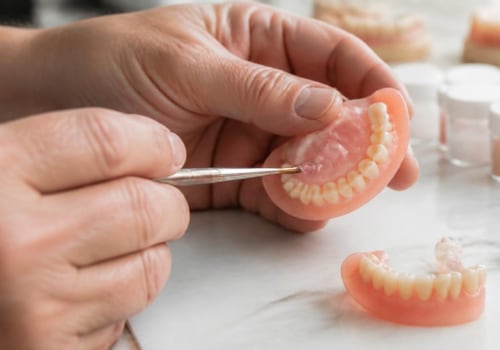
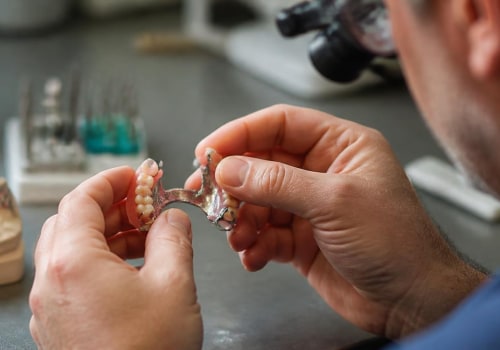
Denture repair refers to the process of fixing broken, cracked, or damaged dentures to restore their functionality and appearance. Over time, dentures can suffer from wear and tear due to daily use, accidents, or improper care. Understanding the types of repairs needed and the repair process can help denture wearers maintain their oral health and confidence.Types of Denture Repairs
- Fractured Dentures: This is one of the most common issues, where the denture base or teeth may crack or break. Fractures can occur due to accidental drops or excessive pressure during chewing.
- Loose Teeth: Sometimes, individual teeth may become loose or fall out from the denture base.
This can happen due to wear over time or poor fitting.
- Broken Clasps: For partial dentures, clasps that hold the denture in place can break, leading to instability and discomfort.
- Worn Out Dentures: Over time, dentures can become worn down, affecting their fit and function. This may require relining or remaking the dentures.
The Denture Repair Process
The typical process for denture repair involves several steps:- Assessment: A dental professional will examine the damaged dentures to determine the extent of the repairs needed.
- Cleaning: The dentures are thoroughly cleaned to remove any debris or bacteria before repairs are made.
- Repairing: Depending on the type of damage, various techniques such as bonding agents for fractures or replacing loose teeth may be employed.
- Polishing: After repairs are completed, the dentures are polished to restore their original appearance and ensure comfort during wear.
- Fitting Check: Finally, a fitting check is performed to ensure that the repaired dentures fit properly and function as intended.
Understanding Dental Insurance
Understanding dental insurance is essential for anyone considering denture repair. Dental insurance plans can vary significantly, and knowing the details can help you navigate your coverage options effectively.There are generally two main types of dental insurance:- Indemnity Plans: These plans offer the most flexibility, allowing you to choose any dentist. You pay upfront for services and then submit a claim for reimbursement.
Coverage for denture repair may vary based on the plan specifics.
- Managed Care Plans: This category includes Health Maintenance Organizations (HMOs) and Preferred Provider Organizations (PPOs). These plans often have a network of dentists, and while they may offer lower premiums, they can limit your choices. Coverage for denture repair is typically more straightforward in these plans.
- Basic Procedures: Many plans cover basic restorative services, which may include denture repairs, but often with a co-pay or deductible.
- Major Procedures: Some plans categorize denture repairs under major procedures, which might require higher out-of-pocket costs or waiting periods.
- Exclusions: Always check for exclusions in your policy.
Some plans may not cover repairs if they are deemed cosmetic or if the dentures are beyond their useful life.
Does Insurance Cover Denture Repairs?
When it comes to denture repair, understanding whether your insurance will cover the costs can be crucial. Many people are unaware that not all dental insurance policies include coverage for denture repairs, which can lead to unexpected out-of-pocket expenses.Insurance Coverage for Denture Repair
Typically, dental insurance plans vary widely in their coverage options. Some plans may cover denture repair as part of their overall dental benefits, while others may classify it under exclusions.
It’s essential to review your specific policy details or consult with your insurance provider to determine the extent of your coverage.
- Comprehensive Dental Plans: These often include coverage for denture repairs, especially if the damage is due to normal wear and tear.
- Basic Dental Plans: These may offer limited coverage or none at all for denture repairs, focusing instead on preventive care and basic procedures.
- Exclusions: Many policies exclude coverage for repairs resulting from accidents or misuse, so it’s important to understand these limitations.
Denture Repair Insurance Policies
If you find that your current dental insurance does not cover denture repair, you might consider looking into specialized dental insurance policies that do. Some insurers offer plans specifically designed to cover a broader range of dental services, including repairs and replacements. These policies can provide peace of mind and financial relief in case of unexpected damage.In conclusion, while some insurance plans do cover denture repairs, it is vital to read the fine print and understand your specific policy. Always reach out to your insurance provider for clarification on what is covered and any potential limitations that may apply.
Factors Influencing Coverage for Denture Repairs
When considering whether denture repair is covered by insurance, several key factors come into play.Understanding these factors can help patients navigate their insurance policies more effectively.
- Insurance Policy Details: Each insurance plan has its own set of rules regarding coverage for dental procedures, including denture repairs. Some plans may cover repairs under specific circumstances, while others may classify them as cosmetic or elective procedures, which are often not covered. It’s essential to review the policy documents or consult with an insurance representative to clarify what is included.
- Type of Repair Needed: The nature of the denture repair can also influence coverage. Minor repairs, such as fixing a small crack or replacing a tooth, may be more likely to be covered than extensive repairs that require significant work or replacement of the entire denture.
- Deductibles and Copayments: Even if a denture repair is covered, patients should be aware of any deductibles or copayments that may apply.
A deductible is the amount a patient must pay out-of-pocket before insurance kicks in, while copayments are fixed fees paid for specific services. Understanding these costs can help patients budget for their dental care.
- Pre-existing Conditions: If a patient has a history of dental issues that led to the need for repairs, some insurers may impose waiting periods or exclusions based on pre-existing conditions. This can affect whether the repair is covered and how soon after enrollment in a new plan it can be claimed.
How to File a Claim for Denture Repair Coverage
Filing a claim for denture repair coverage can seem daunting, but with the right steps, you can navigate the process smoothly.Here’s a step-by-step guide to help you through.
- Review Your Insurance Policy: Before initiating a claim, check your dental insurance policy to understand what is covered regarding denture repairs. Look for specific clauses related to prosthetics and any limitations on coverage.
- Gather Necessary Documentation: Collect all relevant documents, including:
- Your insurance card
- A detailed invoice from your dentist or dental lab that performed the repair
- Any previous dental records related to your dentures
- Contact Your Insurance Provider: Reach out to your insurance company’s customer service. Ask about the specific process for filing a claim for denture repair. They may provide you with a claim form or direct you to an online portal.
- Complete the Claim Form: Fill out the claim form accurately.
Include all necessary details such as:
- Your personal information
- The nature of the repair
- The cost of the repair
- Submit Your Claim: Send your completed claim form along with all supporting documents to your insurance provider. Ensure you keep copies of everything for your records.
- Follow Up: After submission, follow up with your insurance company to confirm receipt of your claim and inquire about the timeline for processing. This can help expedite the review process.
Alternatives if Insurance Does Not Cover Denture Repairs
If your insurance does not cover denture repair, there are several alternatives you can explore to manage the costs effectively.Understanding these options can help you maintain your oral health without breaking the bank.
Financing Options for Denture Repairs
Many dental practices offer financing plans that allow you to spread the cost of denture repairs over time. These plans often come with low or no interest rates, making it easier to budget for necessary repairs. Here are some common financing options:- Payment Plans: Some dentists provide in-house payment plans that allow you to pay in installments.
- Third-Party Financing: Companies like CareCredit offer healthcare credit cards specifically for dental procedures, including denture repair.
- Flexible Spending Accounts (FSAs): If your employer offers an FSA, you can use pre-tax dollars to pay for dental repairs.
Low-Cost Denture Repair Services
If financing is not an option, consider looking for low-cost services. Many community health clinics and dental schools offer affordable dental care, including denture repairs.Here are some avenues to explore:
- Dental Schools: Students under supervision can provide quality care at a fraction of the cost.
- Community Health Clinics: These clinics often provide services on a sliding scale based on income.
- Non-Profit Organizations: Some organizations focus on providing dental care to those in need, potentially covering the costs of repairs.
Frequently Asked Questions about Denture Repair and Insurance
When it comes to denture repair, many patients have questions regarding insurance coverage. Understanding what your insurance plan covers can help alleviate some of the stress associated with unexpected dental expenses.What types of denture repairs are typically covered by insurance?
Insurance coverage for denture repair can vary significantly between plans. Generally, most dental insurance policies cover:- Basic repairs: This includes fixing cracks, chips, or breaks in the denture.
- Relining: Adjustments made to the inner surface of the denture to improve fit.
- Replacement of missing teeth: If a tooth on the denture becomes damaged or lost, some plans may cover its replacement.
Are there any exclusions I should be aware of?
While many repairs may be covered, there are common exclusions that patients should consider:- Cosmetic enhancements: Any aesthetic improvements or upgrades to the denture may not be covered.
- Replacement dentures: If your dentures are beyond repair, getting a new set may not be fully covered.
- Pre-existing conditions: If your dentures were already damaged before obtaining insurance, repairs might not be eligible for coverage.
How can I find out what my insurance covers?
The best way to determine your specific coverage for denture repair is to:- Contact your insurance provider directly and ask about your policy details.
- Review your policy documents for sections related to dental coverage.
- Consult with your dentist, who can often provide insights based on their experience with various insurance plans.
Conclusion: Key Takeaways on Denture Repair Insurance Coverage
In conclusion, understanding denture repair and its potential insurance coverage is crucial for individuals who rely on dentures for their daily functioning.Here are the key takeaways regarding denture repair insurance coverage:
- Insurance Policies Vary: Not all dental insurance plans cover denture repair. It's essential to review your specific policy to determine what is included.
- Types of Repairs: Minor repairs, such as fixing a chip or re-aligning a denture, may be covered, while more extensive repairs or replacements might not be.
- Pre-Approval: Some insurance companies require pre-approval for denture repairs. Always check with your provider before proceeding with any repairs to avoid unexpected costs.
- Out-of-Pocket Costs: If your insurance does not cover denture repairs, be prepared for out-of-pocket expenses. It's advisable to get quotes from multiple dental professionals to find the most affordable option.
- Flexible Spending Accounts (FSAs): If you have an FSA, you may be able to use those funds for denture repairs, providing some financial relief.
Always consult with your dentist and insurance provider to clarify any uncertainties and ensure you receive the necessary care without incurring excessive costs.