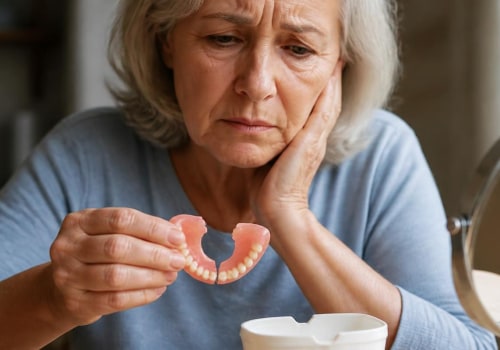
Dentures play a crucial role in restoring the functionality and aesthetics of a person's smile, especially for those who have lost their natural teeth. They not only enhance oral health but also significantly improve the quality of life by allowing individuals to eat, speak, and socialize with confidence. However, like any dental appliance, dentures are not impervious to wear and tear. Understanding the average lifespan of dentures is essential for anyone considering or currently using them. Typically, dentures can last anywhere from 5 to 10 years, depending on various factors such as the materials used, the level of care they receive, and individual oral health conditions.
Over time, changes in the mouth's structure can lead to discomfort and misalignment, necessitating denture repair or replacement. Regular maintenance is key to prolonging their lifespan; this includes proper cleaning routines and periodic check-ups with a dental professional. As we delve deeper into this topic, we will explore not only how long dentures can last but also the signs that indicate when they need repair or replacement. By understanding these aspects, denture wearers can make informed decisions that will help maintain their oral health and overall well-being.
What Are Dentures?
Dentures are removable dental appliances designed to replace missing teeth and restore functionality and aesthetics to the mouth. They are custom-made to fit the unique contours of an individual's gums and can significantly improve the quality of life for those who have lost their natural teeth.Types of Dentures
- Complete Dentures: These are used when all teeth are missing in either the upper or lower jaw.
Complete dentures rest directly on the gums and are typically made from acrylic resin.
- Partial Dentures: These are suitable for individuals who still have some natural teeth remaining. Partial dentures fill in the gaps left by missing teeth and are often held in place by clasps that attach to existing teeth.
- Implant-Supported Dentures: These dentures are anchored to dental implants, providing a more stable and secure fit. They can be either complete or partial, depending on the number of natural teeth remaining.
Denture Materials
The materials used in denture construction play a crucial role in their durability and lifespan. Common materials include:- Acrylic Resin: This is the most common material for both complete and partial dentures due to its lightweight nature and ability to mimic the appearance of natural gums.
- Metal Framework: Often used in partial dentures, metal frameworks provide added strength and support, making them less prone to damage.
- Flexible Materials: Some modern dentures use flexible thermoplastic materials that offer greater comfort and adaptability, especially for partial dentures.
Regular maintenance and timely denture repair can significantly extend their usability, ensuring that they remain functional and comfortable for years to come.
Average Lifespan of Dentures
The average lifespan of dentures typically ranges from 5 to 10 years, depending on various factors. Understanding these factors can help you maintain your dentures effectively and know when to seek denture repair services.Factors Affecting Denture Lifespan
- Material Quality: The type of material used in the dentures significantly impacts their durability. High-quality acrylic or porcelain dentures tend to last longer than cheaper alternatives.
- Oral Hygiene: Maintaining good oral hygiene is crucial. Regular cleaning and proper care can prevent wear and tear, extending the lifespan of your dentures.
- Bone Resorption: Over time, the jawbone may shrink, affecting the fit of the dentures.
This can lead to discomfort and necessitate adjustments or replacements.
- Dietary Habits: Hard or sticky foods can put extra stress on dentures, leading to cracks or breaks. Being mindful of what you eat can help preserve their integrity.
- Frequency of Use: Daily wear and tear will naturally affect how long your dentures last. Those who wear them constantly may need repairs sooner than those who use them less frequently.
By understanding these elements and taking proactive measures, you can ensure that your dentures remain functional and comfortable for as long as possible.
Signs Your Dentures Need Repair
Recognizing the signs of denture damage is crucial for maintaining your oral health and ensuring the longevity of your dentures. Here are some common indicators that your dentures may need repair:- Visible Cracks or Chips: If you notice any cracks or chips in your dentures, it’s essential to seek professional help. These imperfections can worsen over time and lead to further damage.
- Pain or Discomfort: If your dentures are causing pain or discomfort while wearing them, it may indicate that they are not fitting properly. This could be due to wear and tear or changes in your mouth structure.
- Difficulty Chewing: Struggling to chew food can be a sign that your dentures are worn out or damaged.
If you find yourself avoiding certain foods because of discomfort, it’s time to consult a dentist.
- Changes in Fit: Over time, your gums may change shape, leading to a poor fit. If your dentures feel loose or shift while speaking or eating, they may need adjustment or repair.
- Staining or Discoloration: While some staining can be cleaned, persistent discoloration may indicate that the material is degrading. This not only affects aesthetics but can also compromise the integrity of the denture.
Regular check-ups with your dentist can help catch these issues early and ensure that your dentures remain in optimal condition.
Common Types of Denture Repairs
When it comes to denture repair, understanding the common types of repairs can help you make informed decisions about maintaining your dental prosthetics. Here are some of the most prevalent types of denture repairs:- Relining: This process involves adding a new layer of material to the underside of the denture. It is particularly useful when the shape of your gums changes over time, which can lead to discomfort or looseness. Relining helps ensure a snug fit, enhancing both comfort and functionality.
- Rebasing: Similar to relining, rebasing involves replacing the entire base of the denture while keeping the existing teeth intact.
This method is often recommended when the denture base has become worn or damaged but the teeth are still in good condition. Rebasing can extend the lifespan of your dentures significantly.
- Fixing Fractures: Accidents happen, and dentures can crack or break. Depending on the severity of the damage, fractures can often be repaired using specialized adhesives or by replacing broken parts. It’s crucial to seek professional help for this type of repair to ensure that your dentures are restored effectively.
Each method has its own advantages and is chosen based on the specific type of damage and material used in your dentures. If you find yourself needing to fix dentures, it’s essential to consult with a dental professional rather than attempting DIY repairs. Improper fixes can lead to further damage or discomfort, making it vital to rely on expert care for optimal results.
How to Extend the Lifespan of Your Dentures
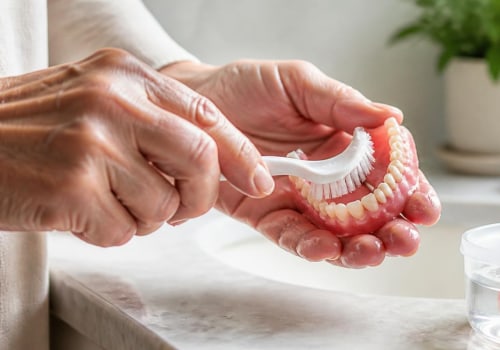
Maintaining your dentures properly is essential for prolonging their lifespan and minimizing the need for denture repair. Here are some effective tips to help you care for your dentures:- Daily Cleaning: Clean your dentures every day using a soft-bristled brush and a non-abrasive cleaner. Avoid using regular toothpaste, as it can scratch the surface.
- Soaking: Soak your dentures in a denture cleaning solution overnight.
This helps remove stains and bacteria, keeping them fresh and hygienic.
- Handle with Care: Always handle your dentures over a soft surface, like a towel or a basin of water, to prevent them from breaking if dropped.
- Avoid Heat: Keep your dentures away from hot water or direct heat sources, as extreme temperatures can warp the material.
- Regular Check-ups: Schedule regular visits to your dentist for check-ups. They can assess the fit of your dentures and make necessary adjustments to prevent discomfort and damage.
This allows your gums to rest and helps prevent oral infections. By following these simple yet effective practices, you can significantly extend the lifespan of your dentures and reduce the frequency of denture repair.
Frequently Asked Questions About Denture Repair
When it comes to denture repair, many patients have questions about the longevity and maintenance of their dentures. Here are some frequently asked questions that can help clarify common concerns.How long do dentures typically last?
On average, dentures can last between 5 to 10 years before they may require significant repairs or replacement. Factors such as wear and tear, changes in oral health, and the materials used can influence this lifespan.What are the signs that my dentures need repair?
- Cracks or chips: Visible damage can affect both the appearance and functionality of your dentures.
- Pain or discomfort: If your dentures no longer fit comfortably, it may indicate that they need adjustment or repair.
- Difficulty chewing: If you find it hard to eat certain foods, your dentures might not be fitting properly.
How can I maintain my dentures to extend their lifespan?
- Daily cleaning: Rinse and brush your dentures daily with a soft-bristled brush and a cleaner specifically designed for dentures.
- Avoid harsh chemicals: Do not use bleach or abrasive cleaners, as these can damage the denture material.
- Regular check-ups: Schedule regular visits with your dentist to ensure your dentures are in good condition and to address any issues early on.
Can I repair my dentures at home?
While some minor adjustments can be made at home, such as reattaching a loose tooth with denture adhesive, it is generally recommended to seek professional help for any significant repairs.Attempting complex repairs without proper tools and expertise can lead to further damage.If you have more questions about denture repair, consult with your dentist for personalized advice tailored to your specific needs.
Conclusion: Key Takeaways on Denture Lifespan and Repair Needs
In summary, understanding the average lifespan of dentures and the necessity for denture repair is crucial for maintaining oral health and comfort. Typically, dentures can last anywhere from 5 to 10 years, depending on various factors such as the materials used, the care they receive, and individual wear and tear. Regular check-ups with your dentist can help identify any issues early on, ensuring that your dentures remain functional and comfortable.Here are some key takeaways regarding denture lifespan and repair:- Regular Maintenance: Proper cleaning and maintenance can significantly extend the life of your dentures. Daily cleaning routines and avoiding abrasive materials are essential.
- Signs of Wear: Be vigilant for signs that your dentures may need repair, such as discomfort, difficulty chewing, or visible cracks.
Addressing these issues promptly can prevent further damage.
- Professional Assessments: Regular visits to your dentist for assessments can help catch potential problems early. Dentists can provide professional cleaning and adjustments that you may not be able to achieve at home.
- Timely Repairs: If you notice any damage, seek denture repair services immediately. Delaying repairs can lead to more significant issues that may require costly replacements.