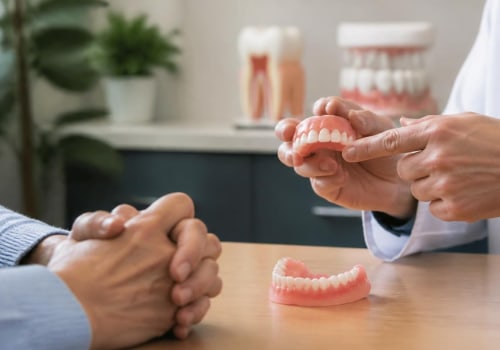
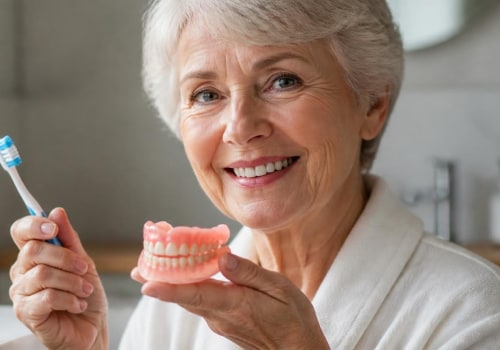
Partial dentures play a crucial role in restoring not just the aesthetics of a smile but also the functionality of the mouth. For individuals who have lost one or more teeth, partial dentures serve as an effective solution, allowing them to chew food properly and speak clearly. These dental appliances are designed to fill the gaps left by missing teeth, providing support to the remaining natural teeth and helping to maintain the structure of the jaw. The importance of dentures extends beyond mere appearance; they contribute significantly to overall oral health. By preventing the shifting of adjacent teeth, partial dentures help maintain proper alignment and reduce the risk of further dental issues.
Additionally, they can enhance self-esteem and confidence, allowing individuals to engage socially without the embarrassment that can accompany tooth loss. However, like any dental appliance, partial dentures are not immune to wear and tear. Over time, they may require denture repair due to cracks, breaks, or general deterioration. Understanding the options available for repairing these essential devices is vital for anyone relying on them for daily function. In this article, we will explore the various aspects of denture repair, ensuring that you are well-informed about maintaining your partial dentures for optimal performance and longevity.
What is a Partial Denture?
A partial denture is a removable dental appliance designed to replace one or more missing teeth while preserving the remaining natural teeth.Unlike full dentures, which replace an entire arch of teeth, partial dentures are specifically tailored for individuals who still have some healthy teeth intact. This makes them a popular choice for those seeking a functional and aesthetic solution to tooth loss.
Types of Partial Dentures
- Cast Metal Partial Dentures: These are made from a metal framework that provides strength and durability. They often feature acrylic or plastic teeth and gum-colored bases, making them both functional and aesthetically pleasing.
- Acrylic Partial Dentures: Typically less expensive than cast metal options, acrylic partials are made entirely from acrylic resin. They are lightweight and can be easily adjusted, but may not be as durable as metal options.
- Flexible Partial Dentures: Made from a flexible thermoplastic material, these dentures offer comfort and a more natural appearance.
They adapt well to the contours of the mouth and are less likely to cause irritation.
Benefits of Partial Dentures
Choosing a partial denture comes with several advantages:- Improved Functionality: Partial dentures restore the ability to chew and speak properly, enhancing overall oral function.
- Aesthetic Appeal: They help maintain facial structure and improve the smile by filling in gaps left by missing teeth.
- Preservation of Natural Teeth: By replacing missing teeth, partial dentures help prevent the shifting of remaining teeth, which can lead to further dental issues.
- Cost-Effective Solution: Compared to dental implants, partial dentures are generally more affordable while still providing significant benefits.
Common Issues That Require Denture Repair
Partial dentures are a popular solution for individuals missing some teeth, but like any dental appliance, they can encounter issues that necessitate denture repair. Understanding these common problems can help you maintain your dentures effectively and know when to seek professional assistance.- Cracks and Breaks: One of the most frequent issues with partial dentures is the development of cracks or breaks. This can occur due to accidental drops, excessive force while chewing, or simply wear and tear over time.
If you notice any damage, it’s crucial to address it promptly to prevent further deterioration.
- Loose Fit: Over time, the fit of your partial denture may become loose due to changes in your gums or bone structure. A loose denture can lead to discomfort and difficulty in eating or speaking. If you find yourself adjusting your denture frequently, it may be time for a repair or adjustment.
- Worn Teeth: The artificial teeth on your partial denture can wear down from regular use. This wear can affect your bite and overall oral health.
Regular check-ups with your dentist can help identify when the teeth need replacement or repair.
- Staining and Discoloration: Stains from food, beverages, or tobacco can accumulate on your dentures, affecting their appearance. While this doesn’t necessarily require a repair, professional cleaning or re-polishing may be needed to restore their original look.
Can a Partial Denture Be Repaired?
Yes, partial dentures can often be repaired, depending on the extent of the damage.Understanding the types of repairs available can help you make informed decisions about your dental care.
Types of Denture Repairs
- Simple Repairs: These include fixing minor cracks or chips in the denture base or teeth. A dental professional can often perform these repairs quickly, restoring functionality without needing a complete replacement.
- Relining: If your partial denture has become loose due to changes in your gums or jawbone, relining may be necessary. This process involves adding new material to the underside of the denture to improve its fit.
- Rebasing: In cases where the denture base is severely worn or damaged, rebasing may be required. This involves replacing the entire base while keeping the existing teeth intact.
- Replacement of Teeth: If individual teeth on your partial denture are broken or lost, they can often be replaced without needing to replace the entire denture.
They can assess the damage and recommend the most appropriate repair method based on your specific situation. Attempting to repair dentures at home is not advisable, as improper repairs can lead to further damage or discomfort.In summary, while partial dentures can be repaired, the type of repair needed will depend on the nature and extent of the damage. Regular check-ups and proper care can help prolong the life of your dentures and minimize the need for repairs.
DIY vs. Professional Denture Repair: Pros and Cons
When it comes to denture repair, individuals often face the choice between DIY denture repair methods and seeking help from a professional.Each option has its own set of advantages and disadvantages that can significantly impact the longevity and functionality of your dentures.
DIY Denture Repair
Many people consider DIY denture repair as a quick and cost-effective solution. Common methods include using dental adhesive, super glue, or repair kits available at pharmacies. Here are some pros and cons:- Pros:
- Cost-effective: DIY repairs can save you money compared to professional services.
- Immediate results: You can often fix minor issues quickly without waiting for an appointment.
- Cons:
- Risk of damage: Improper repairs can lead to further damage, making professional repair necessary later.
- Temporary fixes: Many DIY solutions are not durable and may require frequent reapplication.
Professional Denture Repair
On the other hand, opting for professional denture repair ensures that your dentures are handled by trained experts. This method is often recommended for significant damage or complex issues.Here are the pros and cons:
- Pros:
- Expertise: Professionals have the skills and tools necessary to perform high-quality repairs.
- Durability: Repairs done by professionals tend to last longer, ensuring better functionality.
- Cons:
- Cost: Professional services can be more expensive than DIY methods.
- Time-consuming: You may need to wait for an appointment and for the repair process to be completed.
How to Care for Your Partial Dentures to Prevent Damage
Caring for your partial dentures is essential not only for maintaining their appearance but also for ensuring their longevity. By following a few simple denture care tips, you can minimize the risk of damage and the need for costly denture repair.- Daily Cleaning: Rinse your partial dentures after every meal to remove food particles. Use a soft-bristled toothbrush and a non-abrasive denture cleaner to gently scrub them daily.
- Soaking: Soak your dentures in a denture cleaning solution overnight.
This helps to remove stains and bacteria, keeping them fresh and clean.
- Avoid Hot Water: Never use hot water to clean or soak your dentures, as it can warp the material. Stick to lukewarm or cool water instead.
- Handle with Care: When cleaning or handling your partial dentures, do so over a soft surface or a towel. This will help prevent breakage if they slip from your hands.
- Regular Check-ups: Schedule regular dental visits to ensure that your partial dentures fit properly. Ill-fitting dentures can cause discomfort and lead to damage over time.
- Avoid Hard Foods: Be cautious with hard or sticky foods that can put excessive pressure on your dentures.
Cut food into smaller pieces and chew slowly to avoid damaging them.
Frequently Asked Questions About Partial Denture Repair
When it comes to denture repair, many patients have questions about the process, costs, and maintenance. Here are some frequently asked questions that can help clarify these concerns.- Can a partial denture be repaired?
Yes, in most cases, a partial denture can be repaired. Common issues such as broken clasps, cracks, or loose teeth can often be fixed by a dental professional.However, the extent of the damage will determine whether a repair is feasible or if a replacement is necessary.
- How long does denture repair take?
The time required for denture repair varies depending on the complexity of the issue. Simple repairs may be completed within a few hours, while more extensive work could take several days. It's best to consult your dentist for an accurate timeline. - What is the cost of denture repair?
Costs can vary widely based on the type of repair needed and your location. On average, minor repairs may range from $50 to $150, while more significant repairs could cost upwards of $300.Always check with your dental provider for specific pricing.
- How can I maintain my partial denture?
Proper maintenance is crucial for prolonging the life of your partial denture. Here are some tips:- Clean your dentures daily with a soft brush and non-abrasive cleaner.
- Soak them overnight in a denture solution to keep them moist and free from bacteria.
- Avoid using hot water, as it can warp the material.
- Regularly visit your dentist for check-ups and adjustments.
- What should I do if my denture breaks?
If your partial denture breaks, avoid attempting to fix it yourself. Instead, contact your dentist immediately for an appointment. They have the expertise to assess the damage and recommend the best course of action.
Conclusion: Key Takeaways on Partial Denture Repair
In conclusion, understanding denture repair is crucial for anyone using partial dentures.These dental appliances are designed to restore functionality and aesthetics, but they can be susceptible to damage over time. Here are the key takeaways regarding partial denture repair:
- Types of Damage: Partial dentures can experience various types of damage, including fractures, loose clasps, and wear on the acrylic base. Identifying the specific issue is the first step in determining the appropriate repair method.
- Repair Options: Depending on the extent of the damage, options for denture repair may include professional repairs by a dentist or dental technician, as well as some DIY methods for minor issues. However, it is essential to approach DIY repairs with caution to avoid further damage.
- Importance of Timely Repairs: Addressing any issues with your partial denture promptly can prevent more significant problems down the line.
Delaying repairs may lead to discomfort or complications that could require more extensive treatment.
- Professional Assessment: Regular check-ups with your dentist can help monitor the condition of your partial dentures and ensure they remain in good working order. A professional assessment is invaluable when considering repairs.
- Cost Considerations: The cost of denture repair can vary widely based on the type of damage and the repair method chosen. Understanding these costs upfront can help you make informed decisions about your dental care.