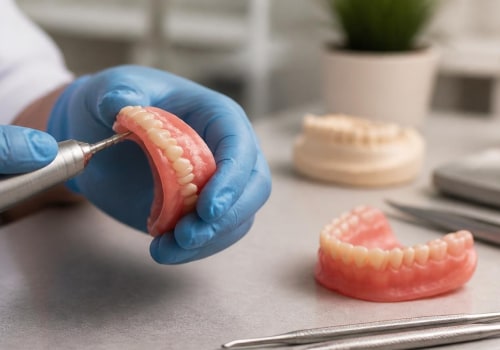
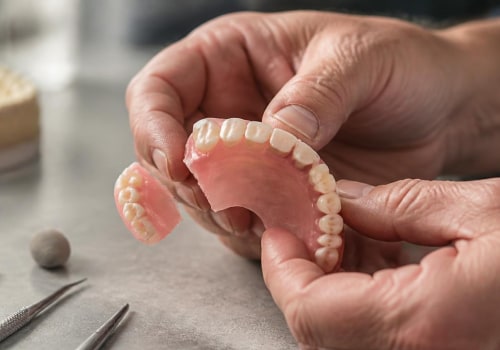
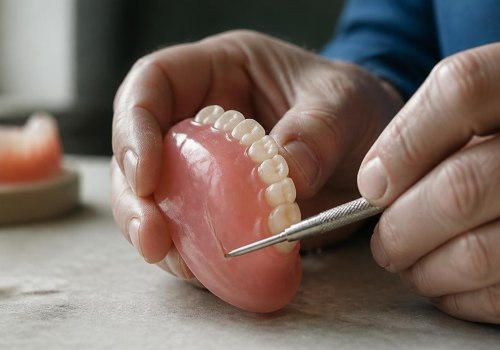
For many individuals, denture repair is an essential aspect of maintaining their oral health and quality of life. Dentures, whether full or partial, are designed to restore functionality and aesthetics to those who have lost their natural teeth. However, like any dental appliance, they can become damaged over time due to wear and tear, accidents, or improper handling. Understanding the importance of timely and effective denture repair is crucial for ensuring that users can continue to enjoy their daily activities without discomfort or embarrassment. While the process of denture repair can often be straightforward, it is not without its risks.
Many individuals may be unaware of the potential complications that can arise from DIY repairs or using unqualified services. These risks can range from improper fitting and alignment issues to more severe consequences such as infections or further damage to the dentures themselves. Therefore, it is vital for denture wearers to be informed about these risks and to seek professional help when necessary. Moreover, regular denture maintenance plays a significant role in minimizing the need for repairs. By adhering to proper cleaning routines and handling practices, users can prolong the lifespan of their dentures and reduce the likelihood of encountering issues that require repair.
In this article, we will delve deeper into the various risks associated with denture repair and provide insights on how to navigate these challenges effectively.
Common Types of Denture Repairs
Denture repair encompasses a variety of methods designed to restore the functionality and aesthetics of dentures. Understanding the different types of repairs can help denture wearers make informed decisions and recognize potential risks associated with each method.- Relining: This process involves adding a new layer of material to the inner surface of the denture. It is typically recommended when the fit has become loose due to changes in the jawbone or gums. While relining can improve comfort and stability, improper execution may lead to irritation or discomfort if the new material does not adhere correctly.
- Rebasing: Rebasing is similar to relining but involves replacing the entire base of the denture while keeping the existing teeth intact.
This method is beneficial for patients whose dentures have become worn or discolored. However, if not done properly, rebasing can result in misalignment, affecting bite and overall function.
- Repairing Fractures: Dentures can crack or break due to accidental drops or excessive pressure. Repairing fractures typically involves bonding the broken pieces together using dental adhesives or acrylic resins. While this can restore functionality, there is a risk that the repaired area may be weaker than the original structure, leading to future breaks.
It is crucial for patients to consult with a dental professional who can assess their specific needs and recommend the most suitable repair option. By understanding these common types of repairs, denture wearers can better navigate their choices and maintain their oral health effectively.
Potential Risks Associated with DIY Denture Repair
While the idea of DIY denture repair may seem appealing due to cost savings and convenience, it is essential to understand the potential risks involved. Attempting to fix dentures at home can lead to a variety of issues that may exacerbate the original problem or create new complications.- Improper Materials: Many individuals resort to using household adhesives or materials not designed for dental use. These substances can be toxic and may cause irritation or allergic reactions in the mouth.
- Structural Damage: Without the proper tools and expertise, a DIY repair can lead to further damage.
For instance, using excessive force while attempting to reattach a broken piece can result in cracks or breaks in other areas of the denture.
- Misalignment: A common mistake in home repairs is misaligning the dentures. This can lead to discomfort, difficulty in chewing, and even jaw pain over time.
- Infection Risk: If the denture is not properly cleaned before a DIY repair, there is a risk of introducing bacteria into the mouth. This can lead to infections or other oral health issues.
- Temporary Fixes: Many DIY solutions are only temporary and may fail when least expected. This could leave you without functional dentures at critical times.
Seeking professional help ensures that your dentures are repaired correctly and safely, preserving both your oral health and comfort.
Health Risks Linked to Improper Denture Repair
When it comes to denture repair, the health risks associated with improper techniques or materials can be significant. Understanding these risks is crucial for maintaining both oral and overall health.Infection Risks
- One of the primary concerns with poorly executed denture repairs is the potential for infections. If the repair is not done in a sterile environment, bacteria can easily be introduced into the mouth, leading to serious infections.
- Infections can manifest as gum disease, which may require extensive treatment and can even lead to tooth loss if not addressed promptly.
Allergic Reactions
- Another risk involves the materials used in denture repair. Some individuals may have allergic reactions to certain adhesives or resins, resulting in discomfort, swelling, or even more severe allergic responses.
- It’s essential to use dental-grade materials specifically designed for oral use to minimize these risks.
Long-term Dental Health Issues
- Poorly repaired dentures can lead to misalignment of the jaw and teeth, causing long-term issues such as TMJ disorders, chronic pain, and difficulty chewing.
- Additionally, ill-fitting dentures can cause irritation and sores in the mouth, which may become infected if not treated properly.
It is always advisable to seek professional help for denture repairs to ensure safety and maintain optimal dental health.
Choosing a Professional for Denture Repair
When it comes to denture repair, selecting a qualified professional is crucial to ensure the longevity and functionality of your dentures. A skilled denturist not only possesses the necessary technical expertise but also understands the nuances of different denture materials and designs.Finding a Qualified Denturist
- Research Credentials: Look for a denturist who is licensed and has undergone formal training. Check for certifications from recognized dental associations.
- Read Reviews: Online reviews and testimonials can provide insight into the experiences of previous patients. Look for feedback specifically related to denture repair services.
- Ask for Recommendations: Consult your dentist or friends who have had similar experiences.
Personal recommendations can lead you to trusted professionals.
Benefits of Professional Denture Services
- Expertise in Materials: Professionals are familiar with various denture materials, ensuring that repairs are made with compatible substances that maintain the integrity of your dentures.
- Minimized Risks: Attempting DIY repairs can lead to further damage or improper fit. A professional can accurately assess the damage and provide a solution that minimizes risks associated with poor repairs.
- Long-Term Solutions: A qualified denturist will not only fix immediate issues but also offer advice on maintenance and care, helping to prolong the life of your dentures.
Frequently Asked Questions About Denture Repair Risks
When it comes to denture repair, many individuals have questions regarding the potential risks involved. Understanding these risks can help you make informed decisions about your dental health.- What are the common risks associated with denture repair?
Common risks include improper fitting, which can lead to discomfort or sores in the mouth.Additionally, using non-professional repair kits may result in further damage to the dentures.
- Can I repair my dentures at home?
While some may consider DIY repairs, it is generally not recommended. Home repair kits often contain materials that are not safe for oral use and can compromise the integrity of the dentures. - What should I do if my dentures break?
If your dentures break, it is best to consult a dental professional. They can assess the damage and perform a safe and effective repair, ensuring that your dentures fit properly and function well. - Are there any safety concerns with denture adhesives?
Yes, some denture adhesives can cause allergic reactions or irritation. It is important to choose products that are specifically designed for dental use and to follow the manufacturer's instructions carefully.
Consulting with a dental professional can help mitigate risks and ensure that your dentures remain safe and effective for daily use.
Conclusion: Weighing the Risks and Benefits of Denture Repair
In conclusion, understanding the risks associated with denture repair is crucial for anyone considering this option. While denture repair can be a cost-effective and timely solution for damaged dentures, it is essential to weigh these benefits against potential drawbacks. One of the primary risks involves the quality of materials used in the repair process. If subpar materials are employed, it can lead to further complications, such as discomfort or even damage to the remaining natural teeth. Additionally, improper repair techniques can compromise the fit and function of the dentures, leading to issues with chewing and speaking. Moreover, there is a risk of infection if repairs are not conducted in a sterile environment.This is particularly concerning for individuals with existing health conditions that may affect their immune system. Therefore, it is vital to seek professional help from a qualified dental technician or dentist who specializes in denture repair.Another consideration is the potential for temporary solutions that may not hold up over time. While quick fixes can provide immediate relief, they may not be sustainable in the long run, necessitating further repairs or replacements. Ultimately, making an informed decision about denture repair involves evaluating both the risks and benefits. Consulting with a dental professional can provide personalized insights and recommendations tailored to individual needs.
By prioritizing quality and safety, patients can ensure that their denture repair experience is both effective and beneficial.