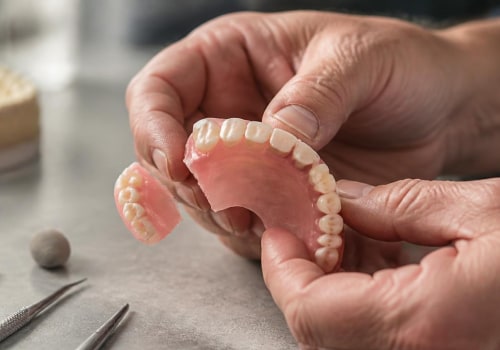
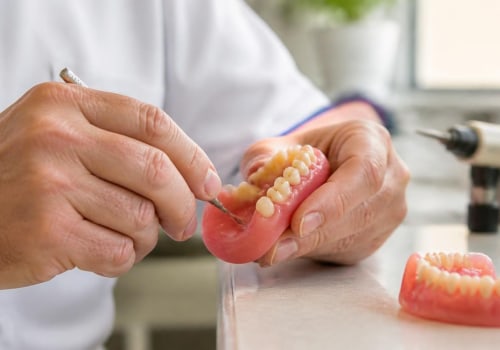
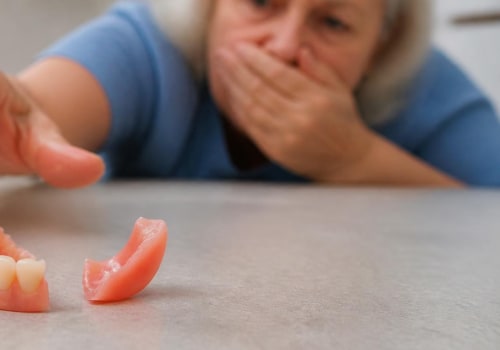
Maintaining the integrity of your denture is crucial for both functionality and aesthetics. Over time, wear and tear can lead to damaged teeth on your dentures, which can significantly impact your ability to eat, speak, and smile confidently. Understanding the importance of denture repair is essential for anyone who relies on these dental appliances. Not only do damaged dentures affect your daily life, but they can also lead to further oral health issues if not addressed promptly. Common problems associated with dentures include chips, cracks, and even complete breakage of the denture teeth.
These issues can arise from various factors such as accidental falls, improper handling, or simply the natural aging process of the materials used in dentures. When faced with a damaged tooth, many individuals wonder whether it is more practical to repair the existing denture or to replace it entirely. This decision can depend on several factors including the extent of the damage, the age of the denture, and personal preferences. In this article, we will explore the nuances of denture maintenance and delve into the options available for repairing or replacing damaged teeth. By understanding the implications of each choice, you can make an informed decision that best suits your needs and ensures your dentures remain functional and comfortable for years to come.
Understanding Dentures and Their Components
Dentures are removable dental appliances designed to replace missing teeth and restore the functionality and aesthetics of a person's smile.They are custom-made to fit the unique contours of an individual's mouth, providing support for facial structures and improving overall oral health.Understanding the components of dentures is essential for anyone considering this dental solution. The primary components include:
- Base: The base is typically made from acrylic resin and serves as the foundation for the denture. It mimics the appearance of natural gums.
- Teeth: The artificial teeth are usually crafted from acrylic or porcelain and are attached to the base. They come in various shapes, sizes, and colors to match the patient's natural teeth.
- Retention Mechanisms: These may include clasps or suction features that help keep the denture securely in place during use.
- Complete Dentures: These are used when all teeth in a jaw are missing.
They cover the entire arch and provide full restoration.
- Partial Dentures: These are used when some natural teeth remain. They fill in gaps and can be anchored to existing teeth for stability.
- Implant-Supported Dentures: These dentures are anchored by dental implants, offering enhanced stability and comfort compared to traditional options.
Common Causes of Tooth Damage in Dentures
Understanding the common causes of tooth damage in dentures is essential for maintaining their longevity and functionality. Several factors can contribute to the deterioration of denture teeth, leading to the need for denture repair or replacement.- Wear and Tear: Over time, dentures naturally experience wear and tear due to regular use.
The constant pressure from chewing can lead to surface scratches and cracks, which may compromise the integrity of the denture teeth.
- Accidental Damage: Accidents can happen at any time. Dropping dentures or biting down on hard foods can result in chips or fractures. Such incidents are common, especially among those who may not be accustomed to wearing dentures.
- Poor Maintenance: Improper care can significantly affect the lifespan of dentures. Failing to clean them regularly or using harsh cleaning agents can lead to discoloration and weakening of the material, making them more susceptible to damage.
- Improper Fit: Dentures that do not fit properly can cause uneven pressure on certain areas, leading to premature wear.
Regular adjustments by a dental professional are crucial to ensure a comfortable and secure fit.
- Age of Dentures: As dentures age, the materials may degrade, making them more prone to damage. It’s important to have them evaluated periodically by a dentist to determine if they need repairs or replacement.
Can a Damaged Tooth in a Denture Be Repaired?
When it comes to denture repair, one common concern is whether a damaged tooth in a denture can be repaired or if it necessitates a complete replacement. The good news is that many types of damage can be effectively repaired, depending on the extent of the damage and the materials used in the denture.Methods of Repair
- Bonding: For minor chips or cracks, dental bonding can be an effective solution.
This involves applying a resin material to the damaged area, which is then shaped and polished to match the surrounding teeth.
- Replacement Teeth: If a tooth is severely damaged or broken, it may be possible to replace just that tooth. This process typically involves removing the damaged tooth and securing a new one in its place.
- Rebase or Reline: In some cases, if the denture base is compromised, a rebase or reline may be necessary. This involves replacing the acrylic base material while keeping the existing teeth intact.
Materials Used
The materials used for denture tooth repair can vary. Commonly, dental acrylics and resins are utilized due to their durability and ability to mimic the appearance of natural teeth.
In some cases, metal frameworks may also be incorporated for added strength.
When Repairs Are Appropriate
Repairs are generally appropriate when:
- The damage is superficial, such as minor chips or cracks.
- The denture is relatively new and has not undergone significant wear.
- The overall structure of the denture remains intact and functional.
When Is It Necessary to Replace a Damaged Tooth?
Determining whether to replace a denture tooth or repair it can be a challenging decision. Several factors come into play when assessing the condition of your dentures and the specific tooth in question. Here are some scenarios where replacement may be necessary:- Severe Damage: If the tooth is cracked, chipped, or broken beyond repair, replacement is often the best option. A severely damaged tooth can compromise the integrity of the entire denture.
- Wear and Tear: Over time, dentures can experience significant wear.
If a tooth has become excessively worn down, it may not function properly, affecting your ability to chew and speak.
- Changes in Fit: If you notice that your denture no longer fits well due to a damaged tooth, it may be time for a replacement. Poor fit can lead to discomfort and further dental issues.
- Cosmetic Concerns: Aesthetic appearance is crucial for many denture wearers. If a damaged tooth affects your smile or confidence, replacing it can restore both function and appearance.
- Pain or Discomfort: If you experience pain when chewing or discomfort in your gums, it may indicate that the damaged tooth is causing issues.
- Visible Damage: Any visible cracks or chips should be evaluated by a dental professional to determine if replacement is necessary.
- Denture Movement: If your denture shifts or moves while eating or speaking, this could signal that a tooth needs replacing for better stability.
The Process of Denture Repair: What to Expect
When it comes to denture repair, understanding the process can help alleviate concerns and set realistic expectations.The repair process typically begins with an assessment of the damage. A dental professional will examine the denture to determine whether it can be repaired or if a replacement is necessary.
Steps in the Denture Repair Process:
- Initial Consultation: During this visit, the dentist will evaluate the extent of the damage. They may take impressions of your mouth to ensure a proper fit after repairs.
- Repair Techniques: Depending on the type of damage, various techniques may be employed. For minor cracks or chips, a special adhesive or resin may be used.
More extensive damage might require relining or even remaking parts of the denture.
- Quality Check: After repairs are made, the dentist will check for comfort and fit. This step is crucial to ensure that the denture functions properly and does not cause discomfort.
Denture Repair Timeline:
The timeline for denture repair can vary based on several factors, including the complexity of the damage and the materials used. Generally, repairs can take anywhere from a few hours to several days. For instance:
- Minor Repairs: Simple fixes like reattaching a tooth can often be completed within a few hours.
- Moderate Repairs: If relining is needed, you might expect to wait one to two days.
- Extensive Repairs: In cases where significant reconstruction is required, it could take up to a week or more.
Understanding the denture repair process not only helps in managing expectations but also ensures that you receive the best care possible for your dental needs.
DIY Denture Repairs: Pros and Cons
When it comes to denture repair, many individuals consider the option of DIY fixes. While the idea of repairing your dentures at home may seem appealing due to cost savings and convenience, there are both pros and cons to weigh before proceeding.Pros of DIY Denture Repairs
- Cost-Effective: DIY repairs can save you money compared to professional services, especially for minor issues.
- Immediate Solutions: If you need a quick fix, home repairs can provide immediate relief without waiting for a dental appointment.
- Accessibility: Many DIY repair kits are readily available at pharmacies or online, making them easy to obtain.
Cons of DIY Denture Repairs
- Risk of Damage: Improper repairs can lead to further damage, making the denture unusable and potentially increasing repair costs.
- Health Risks: Using unapproved adhesives or materials can pose health risks, including allergic reactions or toxic exposure.
- Lack of Expertise: Without professional training, it’s easy to misdiagnose the problem or apply an ineffective solution.
Ultimately, while DIY denture repair may be tempting for minor issues, understanding the potential risks is crucial in making an informed decision.
Frequently Asked Questions About Denture Repair
When it comes to denture repair, many individuals have questions about the process and what to expect. Here are some frequently asked questions that can help clarify common concerns.- Can a damaged tooth on a denture be repaired? Yes, in many cases, a damaged tooth can be repaired rather than requiring a complete replacement. Denture repair specialists can often reattach or replace individual teeth, restoring functionality and aesthetics.
- How long does denture repair take? The duration of denture repair varies depending on the extent of the damage. Simple repairs may be completed within a few hours, while more complex issues could take several days.
- Is it safe to repair dentures at home? While some minor repairs can be attempted at home using denture repair kits, it is generally recommended to seek professional help.
Improper repairs can lead to further damage or discomfort.
- What are the signs that my dentures need repair? Look for signs such as cracks, chips, or discomfort while wearing them. If your dentures feel loose or cause irritation, it’s time to consult a professional.
- How can I prevent damage to my dentures? To maintain your dentures, follow these care tips:
- Handle them gently and avoid dropping them.
- Clean them daily with a soft brush and non-abrasive cleaner.
- Avoid using hot water, which can warp the material.
- Store them in a safe place when not in use, preferably in water or a denture solution.
Conclusion: Making Informed Decisions About Denture Care
In conclusion, understanding the options available for denture repair versus replacement is crucial for maintaining both your oral health and your quality of life. Throughout this article, we have explored the various scenarios in which a damaged tooth on a denture can be repaired, as well as instances where replacement may be the more prudent choice. When faced with a damaged denture, it is essential to consider the extent of the damage. Minor chips or cracks can often be effectively repaired by a professional, restoring functionality and aesthetics without the need for a complete replacement.However, if the damage is extensive or if the denture has reached the end of its lifespan, opting for a new set may be necessary.
Importance of Professional Guidance
Consulting with a dental professional is vital in making an informed decision. They can assess the condition of your dentures and provide tailored advice based on your specific situation. Regular check-ups can also help identify potential issues before they escalate, ensuring that your dentures remain in optimal condition.Proper Care for Longevity
Moreover, proper care and maintenance of your dentures play a significant role in preventing damage. Adopting good oral hygiene practices, such as cleaning your dentures daily and storing them correctly, can extend their lifespan and reduce the likelihood of needing repairs. Ultimately, whether you choose to repair or replace your dentures, being proactive about your dental care will lead to better outcomes.By staying informed and seeking professional advice, you can make decisions that best support your dental health and overall well-being.