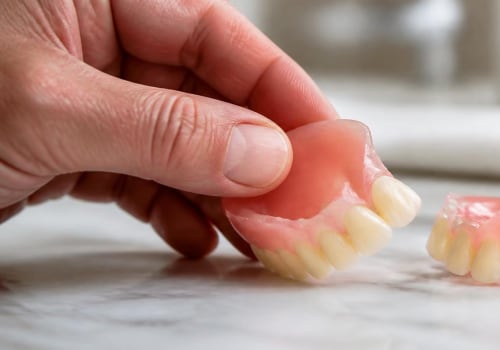
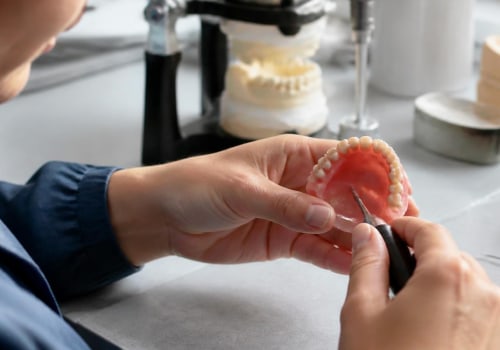
Dentures are removable dental appliances designed to replace missing teeth and restore functionality to the mouth. They can significantly improve a person's ability to eat, speak, and smile with confidence. However, like any dental device, dentures are not immune to wear and tear. Understanding the common issues associated with dentures is crucial for anyone who wears them, as it can help prevent the need for frequent denture repairs.One of the most prevalent problems faced by denture wearers is fractures.
These can occur due to accidental drops or excessive pressure during chewing. Additionally, improper fit can lead to discomfort and irritation, which may cause users to adjust their dentures frequently, increasing the risk of damage. Other common issues include staining from food and beverages, as well as the gradual loss of shape due to age and usage. Recognizing these potential pitfalls is the first step in maintaining your dentures effectively. By understanding how daily habits and care routines impact the longevity of your dental appliances, you can take proactive measures to minimize repairs.
This knowledge not only saves time and money but also enhances your overall oral health experience.
Proper Care and Maintenance of Dentures
Maintaining your dentures is essential not only for their longevity but also for your overall oral health. Proper denture care can significantly reduce the need for frequent denture repairs. Here are some effective practices to ensure your dentures remain in excellent condition:- Daily Cleaning: Clean your dentures every day to remove food particles and plaque. Use a soft-bristled toothbrush specifically designed for dentures, along with a non-abrasive cleaner.
- Soaking: Soak your dentures in a denture cleaning solution overnight.
This helps to disinfect them and keeps them moist, preventing warping.
- Avoid Hot Water: Never use hot water when cleaning or soaking your dentures, as it can cause them to lose their shape. Stick to lukewarm or cool water instead.
- Handle with Care: When cleaning your dentures, do so over a soft surface or a towel to prevent breakage if they slip from your hands.
- Regular Check-ups: Schedule regular visits with your dentist to ensure that your dentures fit properly and are in good condition. Adjustments may be necessary over time.
This practice not only helps prevent bad breath but also supports the health of your mouth.By following these denture maintenance tips, you can significantly reduce the likelihood of needing repairs and enjoy a comfortable, functional smile for years to come.
Choosing the Right Denture Material
When it comes to denture repair, the choice of material plays a crucial role in determining the longevity and durability of your dentures. Understanding the different types of denture materials available can help you make an informed decision that minimizes the need for frequent repairs.Types of Denture Materials
- Acrylic Resin: This is one of the most common materials used for dentures. It is lightweight, easy to adjust, and offers a natural appearance. However, acrylic can be prone to wear and may require more frequent denture repair if not cared for properly.
- Porcelain: Known for its strength and aesthetic appeal, porcelain dentures are highly resistant to staining and wear.
They mimic the look of natural teeth closely but can be more brittle than acrylic, making them susceptible to chipping.
- Flexible Dentures: Made from a thermoplastic material, flexible dentures offer a comfortable fit and are less likely to break compared to traditional acrylic options. Their flexibility allows for better adaptation to the mouth's contours, reducing the chances of damage.
- Metal Framework: Some dentures incorporate a metal framework for added strength. This type is often used in partial dentures and can significantly enhance durability, thereby reducing the frequency of repairs.
Choosing the Best Denture Material
When selecting the best denture material, consider factors such as your lifestyle, budget, and personal preferences. For instance, if you lead an active lifestyle or have a history of damaging your dentures, opting for a more durable material like porcelain or a metal framework may be wise.On the other hand, if aesthetics are your primary concern, acrylic or porcelain might be more appealing.Additionally, consulting with your dentist can provide valuable insights tailored to your specific needs. They can recommend materials that not only fit your budget but also align with your oral health requirements. By making an informed choice about denture materials, you can significantly reduce the likelihood of needing denture repairs, ensuring a more comfortable and lasting solution for your dental needs.
Regular Dental Check-ups and Adjustments
Maintaining the longevity and functionality of your dentures is crucial, and one of the most effective ways to achieve this is through regular dental check-ups. These visits are essential for ensuring that your dentures fit properly and function as intended.Over time, changes in your mouth's structure can occur due to factors such as weight loss, aging, or bone resorption, which can lead to an improper fit.
Dental check-ups for dentures
typically involve a thorough examination of both the dentures and the oral cavity. During these appointments, your dentist will assess the condition of your dentures, checking for any signs of wear or damage. They will also evaluate your gums and oral tissues to ensure there are no underlying issues that could affect the performance of your dentures.In addition to routine examinations, denture adjustments are often necessary to maintain comfort and functionality. If you experience discomfort or notice that your dentures are slipping or causing irritation, it’s important to schedule an adjustment appointment promptly.This proactive approach can prevent more significant problems down the line, such as fractures or the need for extensive denture repair.Moreover, regular visits to your dentist help in identifying potential issues before they escalate. For instance, if you notice changes in your bite or difficulty chewing, these could be early signs that your dentures need adjustment. Addressing these concerns early can save you from costly repairs and ensure that you continue to enjoy a comfortable fit.In summary, prioritizing regular dental visits not only enhances the lifespan of your dentures but also contributes significantly to your overall oral health. By staying on top of adjustments and check-ups, you can minimize the risk of frequent denture repairs and maintain a confident smile.
Lifestyle Choices That Affect Denture Longevity
Maintaining the longevity of your dentures is not solely about regular visits to the dentist; it also heavily depends on your lifestyle choices.Certain habits and dietary decisions can significantly impact the durability of your dentures and may lead to frequent denture repairs.
Diet and Dentures
- Avoid Hard Foods: Consuming hard foods such as nuts, hard candies, and raw vegetables can put excessive pressure on dentures, leading to cracks or breaks. Opt for softer alternatives that are easier on your dental appliances.
- Limit Sugary Snacks: High sugar intake can lead to gum disease and other oral health issues, which may affect how well your dentures fit. This can result in discomfort and the need for adjustments or repairs.
- Stay Hydrated: A dry mouth can cause dentures to become loose, increasing the risk of damage. Drinking plenty of water helps maintain saliva production, which is essential for keeping dentures secure.
Habits Affecting Dentures
- Avoid Smoking: Smoking not only stains dentures but also affects oral health, leading to gum problems that can compromise denture fit and integrity.
- Practice Good Oral Hygiene: Regular cleaning of both your dentures and gums is crucial.
Neglecting this can lead to plaque buildup, which may necessitate repairs or replacements.
- Handle with Care: Always remove and clean your dentures over a soft surface or a towel. Dropping them can easily cause chips or fractures that require professional repair.
Common Myths About Dentures and Repairs
When it comes to denture repair, there are several myths that can lead to misunderstandings and poor care practices. Addressing these misconceptions is crucial for maintaining the longevity of your dentures and minimizing the need for repairs.Myth 1: Dentures Are Indestructible
Many people believe that once they have dentures, they are free from any concerns about damage.In reality, dentures can chip, crack, or break just like natural teeth. Factors such as improper handling, exposure to extreme temperatures, and even biting down on hard foods can lead to the need for denture repairs.
Myth 2: You Don’t Need to Care for Dentures
Another common misconception is that dentures require no maintenance. This is far from the truth. Regular cleaning and proper storage are essential to prevent bacteria buildup and ensure the longevity of your dentures.Neglecting care can lead to discomfort and increased wear, ultimately resulting in more frequent repairs.
Myth 3: All Denture Repairs Are the Same
Some individuals think that all denture repair services are equal, but this is not the case. Different types of damage require specific repair techniques. For instance, a simple crack may be fixed with a quick adhesive, while a more severe break might necessitate a complete remaking of the denture. Understanding this can help you choose the right service provider.Myth 4: You Can Fix Dentures at Home
While it may be tempting to attempt DIY repairs using household adhesives or kits, this can often lead to further damage or misalignment.Professional repair services are equipped with the right tools and expertise to ensure that your dentures are restored correctly. By debunking these myths, denture wearers can make informed decisions about their care and maintenance, ultimately reducing the frequency of denture repairs. Always consult with your dentist for personalized advice and recommendations regarding your dentures.
Signs Your Dentures Need Attention
Recognizing the signs that your dentures need attention is crucial for maintaining oral health and comfort. Ignoring these indicators can lead to more significant issues, including the need for costly denture repairs or even replacement.- Discomfort or Pain: If you experience persistent discomfort or pain while wearing your dentures, it may indicate that they no longer fit properly. This can be due to changes in your gums or jawbone structure over time.
- Visible Wear: Check for signs of wear and tear, such as cracks, chips, or discoloration.
These physical changes can compromise the integrity of your dentures and affect their functionality.
- Difficulty Chewing: If you find it increasingly challenging to chew food, this could signal that your dentures are not fitting correctly or have become warped.
- Bad Odor: A persistent bad smell can indicate that food particles are trapped in your dentures or that they are developing bacteria. Regular cleaning is essential, but if the odor persists, it may be time for a professional evaluation.
- Changes in Speech: If you notice a change in your speech patterns, such as slurring or difficulty pronouncing certain words, it may be due to ill-fitting dentures.
Conclusion: Key Takeaways for Preventing Denture Repairs
In conclusion, preventing the need for frequent denture repairs is essential for maintaining both the functionality and aesthetics of your dentures.By adhering to a few key practices, you can significantly extend the lifespan of your dental appliances.
Regular Cleaning and Maintenance
One of the most effective ways to prevent damage is through regular cleaning. Make it a habit to:- Brush your dentures daily with a soft-bristled brush and a cleaner specifically designed for dentures.
- Soak your dentures overnight in a denture solution to keep them moist and free from bacteria.
- Avoid using harsh chemicals or abrasive materials that can scratch or weaken the denture material.
Proper Handling
How you handle your dentures can also impact their durability. Always:- Handle with care: When removing or cleaning your dentures, do so over a soft surface or a towel to prevent breakage if dropped.
- Avoid using them as tools: Never use your dentures to bite or open packages, as this can lead to cracks and other damage.
Regular Dental Check-ups
Lastly, regular visits to your dentist are crucial. They can:- Assess the fit of your dentures and make necessary adjustments.
- Identify any early signs of wear or damage that could lead to more significant issues if left unaddressed.