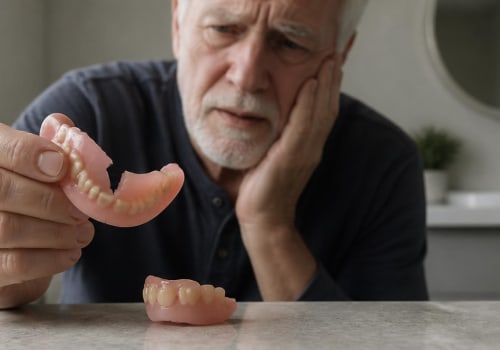
Denture repair is a crucial aspect of maintaining oral health and comfort for individuals who rely on dentures. Over time, dentures can experience wear and tear due to daily use, leading to issues such as cracks, chips, or even complete breaks. Understanding denture repair is essential for anyone who wears dentures, as it not only restores functionality but also enhances the overall quality of life. There are several common reasons why denture repair may be necessary. For instance, accidents can happen, resulting in damaged dentures that require immediate attention.
Additionally, natural changes in the mouth, such as bone resorption or gum shrinkage, can affect the fit of dentures, prompting the need for adjustments or repairs.
Types of denture repair
can vary widely, from simple fixes like re-aligning or re-basing to more complex procedures that involve replacing broken components. Understanding the nuances of denture repair helps individuals make informed decisions about their dental care. Whether it's a minor adjustment or a significant repair, knowing what to expect can alleviate anxiety and ensure that patients are prepared for the process ahead. In the following sections, we will delve deeper into the specifics of how long it takes to get used to a repaired denture and what factors influence this adjustment period.The Process of Getting Your Dentures Repaired
When it comes to denture repair, understanding the process can help alleviate any concerns you may have.The journey typically begins with an initial assessment by your dental professional. During this stage, the dentist will examine your dentures to determine the extent of the damage and the best course of action for repair.
Assessment
- Visual Inspection: The dentist will look for cracks, chips, or any signs of wear.
- Fit Evaluation: They will check how well your dentures fit and if any adjustments are needed.
- Resin Bonding: This method is often used for minor cracks and chips, where a special resin is applied to bond the broken pieces together.
- Rebase: If your dentures are still structurally sound but the base material has deteriorated, a rebase may be performed to replace the acrylic base.
- Complete Replacement: In cases where the damage is extensive, a new set of dentures may be necessary.
Denture Repair Timeline
The timeline for denture repair can vary based on the method used and the extent of the damage. Generally, you can expect:
- Minor Repairs: These can often be completed within a few hours to a day.
- Moderate Repairs: More complex repairs may take 2-3 days as they require additional materials and curing time.
- Complete Replacement: If new dentures are needed, this process can take several weeks due to fitting and adjustments.
How Long Does It Take to Get Used to Repaired Dentures?
Adjusting to repaired dentures can vary significantly from person to person, influenced by several factors.Generally, the adjustment period can take anywhere from a few days to several weeks. Understanding these factors can help you manage your expectations and ease the transition.
- Extent of Repair: The more extensive the repair, the longer it may take to adjust. If your dentures have undergone significant changes, such as alterations in fit or shape, your mouth will need time to adapt.
- Previous Experience: If you have worn dentures before, you might find it easier to adjust to repaired ones. Your mouth is already accustomed to the sensation of wearing dentures, which can shorten the adjustment period.
- Oral Health: The condition of your gums and oral tissues plays a crucial role.
If your gums are sensitive or inflamed, it may take longer for you to feel comfortable with your repaired dentures.
- Usage Frequency: Regularly wearing your repaired dentures can help speed up the adjustment process. The more you wear them, the quicker your mouth will adapt.
- Start Slowly: Begin by wearing your repaired dentures for short periods each day, gradually increasing the duration as you become more comfortable.
- Practice Speaking: Read aloud or practice speaking in front of a mirror. This can help you get used to how your repaired dentures feel while talking.
- Soft Foods: Stick to soft foods initially to minimize discomfort while eating.
Gradually introduce firmer foods as you adjust.
- Follow Up with Your Dentist: If discomfort persists beyond a few weeks or if you notice any issues with fit, consult your dentist for adjustments.
Factors Affecting Adjustment Time
Adjusting to denture repair can vary significantly from person to person, influenced by several key factors. Understanding these factors can help set realistic expectations for the adjustment period.Age and Adjustment
Age plays a crucial role in how quickly one can adapt to repaired dentures. Older adults may experience a longer adjustment period due to changes in oral tissues and bone density. Additionally, they might have less flexibility in adapting to new sensations compared to younger individuals.However, younger patients often have more resilient oral tissues, which can facilitate a quicker adjustment.
Previous Experience with Dentures
Individuals who have previously worn dentures may find it easier to adjust to repaired ones. Familiarity with the feel and function of dentures can lead to a smoother transition. In contrast, first-time denture users might take longer to acclimate as they learn how to manage their new dental appliances.Personal Comfort Levels
Each person's comfort level with dental devices significantly impacts their adjustment time. Those who are anxious or have had negative experiences with dental work may struggle more with their repaired dentures.It’s essential for these individuals to communicate their concerns with their dentist, who can provide tailored advice and support.
Fit and Functionality
The quality of the denture repair itself also affects adjustment time. If the repair is well-executed and the fit is comfortable, users are likely to adapt more quickly. Conversely, poorly fitting dentures can lead to discomfort and prolonged adjustment periods.In summary, factors such as age, previous experience with dentures, personal comfort levels, and the quality of the repair all contribute to how long it takes for someone to get used to their repaired dentures. Understanding these elements can help individuals navigate their adjustment journey more effectively.Common Challenges When Adjusting to Repaired Dentures
Adjusting to repaired dentures can be a challenging experience for many individuals.While the goal of denture repair is to restore functionality and comfort, several common issues may arise during the adjustment period.
Discomfort and Soreness
One of the most frequent challenges is discomfort or soreness in the gums. This can occur due to:- Improper fit: Even slight changes in the denture's shape can lead to pressure points that irritate the gums.
- Adjustment period: Your mouth may need time to adapt to the repaired denture, leading to temporary discomfort.
- Use dental adhesive: A quality adhesive can help secure the denture in place, reducing movement and irritation.
- Consult your dentist: If discomfort persists, a professional adjustment may be necessary to ensure a proper fit.
Difficulty with Speech
Another common issue is difficulty speaking clearly. This can be particularly frustrating for those who rely on their dentures for daily communication. Factors contributing to speech difficulties include:- Changes in denture shape: Repaired dentures may feel different in your mouth, affecting your ability to articulate words.
- Lack of practice: If you’ve been without your dentures for a while, it may take time to regain your speaking confidence.
This can help you adjust more quickly and regain your confidence.
Eating Challenges
Eating with repaired dentures can also present challenges. You might experience:- Difficulties with certain foods: Hard or sticky foods may be more challenging to manage until you fully adjust.
- Sensitivity: Your gums may be more sensitive after repair, making it uncomfortable to chew.
Tips for Easing the Adjustment Period
Adjusting to denture repair can be a challenging process, but with the right strategies, you can ease the transition and enhance your comfort. Here are some effective tips to help you adjust more smoothly:- Start Slowly: If your repaired dentures feel uncomfortable at first, try wearing them for shorter periods.
Gradually increase the time as you become more accustomed to them.
- Use Denture Adhesive: A quality denture adhesive can provide extra stability and comfort, helping to reduce movement that may cause irritation.
- Practice Speaking: Spend time reading aloud or practicing conversations. This will help you get used to how your dentures feel while speaking and improve your confidence.
- Eat Soft Foods: Begin with soft foods that are easy to chew, such as yogurt, mashed potatoes, or smoothies. As you grow more comfortable, gradually introduce firmer foods.
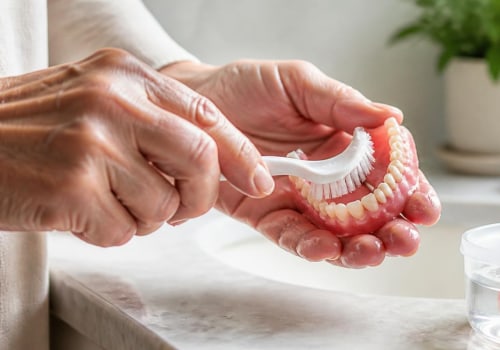
- Maintain Oral Hygiene: Keep your mouth and dentures clean. Rinse your mouth with warm salt water to soothe any irritation and prevent infection.
- Stay Hydrated: Drink plenty of water to keep your mouth moist.
This can help alleviate any dryness or discomfort associated with new dentures.
When to Consult a Dentist About Your Dentures
Understanding when to consult a dentist about your denture repair is crucial for maintaining oral health and comfort. While some adjustments are normal after receiving repaired dentures, certain signs indicate that professional help is necessary.Signs You Should See a Dentist
- Persistent Discomfort: If you experience ongoing pain or discomfort while wearing your dentures, it may signal an improper fit or underlying issues that need addressing.
- Difficulty Eating or Speaking: Struggling to chew food or articulate words can indicate that your dentures are not functioning as they should.
This could be due to misalignment or damage.
- Visible Damage: Cracks, chips, or any visible wear on your dentures should prompt a visit to the dentist. Even minor damage can worsen over time and affect the overall functionality of your dentures.
- Changes in Fit: If your dentures feel loose or have shifted since the repair, it’s essential to consult your dentist. Changes in fit can lead to sores and discomfort.
- Oral Health Issues: Signs of gum irritation, swelling, or infection around the denture area are serious and require immediate dental attention.
Remember, timely intervention can save you from more significant problems down the line.
Frequently Asked Questions About Denture Repair and Adjustment
When it comes to denture repair, many individuals have questions about the process and what to expect. Here are some frequently asked questions that can help clarify common concerns.How long does it take to adjust to repaired dentures?
Adjusting to repaired dentures can vary from person to person. Generally, most individuals start feeling comfortable within a few days to a couple of weeks. However, if you experience persistent discomfort, it’s essential to consult your dentist for further adjustments.What should I do if my repaired dentures feel loose?
- Check for proper fit: After a repair, it’s crucial to ensure that your dentures fit snugly against your gums.
- Use adhesive: If necessary, consider using denture adhesive to help secure them in place temporarily.
- Consult your dentist: If the issue persists, schedule an appointment for a professional evaluation.
Can I eat normally with repaired dentures?
While you can generally return to eating with repaired dentures, it’s advisable to start with softer foods and gradually reintroduce harder items.This approach allows your mouth to adjust without causing discomfort.
How often should I have my dentures checked?
Regular check-ups are essential for maintaining the health of your mouth and the integrity of your denture repair. It’s recommended to visit your dentist at least once a year, or more frequently if you notice any changes in fit or comfort.What are signs that my dentures need repair?
- Visible cracks or chips: Any damage should be addressed immediately.
- Pain or discomfort: If your dentures cause pain, it may indicate they need adjustment or repair.
- Changes in fit: If they feel loose or uncomfortable, it’s time for a check-up.