For many individuals, denture repair is a crucial aspect of maintaining oral health and comfort. A cracked denture can lead to discomfort, difficulty in eating, and even embarrassment in social situations. Understanding the importance of addressing these issues promptly is essential for anyone who relies on dentures for their daily function. Ignoring a crack can exacerbate the problem, leading to more extensive damage and potentially costly repairs. When a denture becomes damaged, it’s not just a cosmetic issue; it can significantly impact your quality of life.
The thought of denture fixing may seem daunting, but there are various options available that can restore your dentures to their original state. From professional repairs by dental technicians to DIY methods for minor cracks, knowing your choices can empower you to take action swiftly. This article will delve into the various aspects of denture repair, exploring the causes of cracks, the implications of neglecting repairs, and the most effective solutions available. Whether you’re dealing with a small chip or a more severe fracture, understanding the repair process is vital for ensuring your dentures remain functional and comfortable.
Understanding Dentures and Their Common Issues
Dentures are removable dental appliances designed to replace missing teeth and restore functionality and aesthetics to a person's smile. They are typically made from a combination of acrylic resin, metal, and sometimes porcelain, providing a natural appearance while allowing individuals to eat and speak with confidence.Dentures can be complete, replacing all teeth in an arch, or partial, filling in gaps left by missing teeth.Despite their benefits, dentures can encounter various issues over time. Understanding these common problems is crucial for maintaining oral health and ensuring the longevity of the appliance.
- Cracks and Breaks: One of the most frequent issues is the development of cracks or breaks in the denture material. This can occur due to accidental drops, biting down on hard foods, or general wear and tear.
- Fit Issues: Over time, the shape of the jawbone may change, leading to poor fit. This can cause discomfort and affect the denture's stability.
- Staining: Dentures can become stained from food, beverages, or tobacco use, impacting their appearance.
- Odor: Bacteria can accumulate on dentures if they are not cleaned properly, leading to unpleasant odors.
Regular check-ups with a dental professional can help identify potential problems early on. If a denture is cracked, it is important to seek denture repair services rather than attempting a DIY fix, as improper repairs can lead to further damage or discomfort.
Can a Cracked Denture Be Repaired?
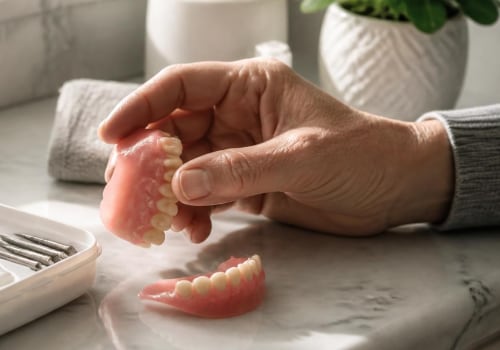
When it comes to denture repair, many individuals wonder, can cracked dentures be repaired? The answer is generally yes, but several factors influence the feasibility and effectiveness of the repair.First and foremost, the extent of the damage plays a crucial role. Minor cracks or chips can often be repaired by a dental professional using specialized adhesives or materials designed for denture repair. However, if the denture is severely cracked or broken into multiple pieces, it may not be possible to restore it to its original condition.Denture Repair Options
- Professional Repair: Visiting a dentist or a dental lab is the most reliable option.
They have access to high-quality materials and techniques that can ensure a durable fix.
- At-Home Repair Kits: For minor damages, some individuals opt for at-home repair kits available at pharmacies. These kits typically include adhesives and instructions but may not provide a long-lasting solution.
- Replacement: In cases where the denture is beyond repair, your dentist may recommend creating a new set. This option ensures that you have a functional and comfortable fit.
If your dentures are several years old, it might be worth discussing with your dentist whether a new set would be more beneficial in the long run.In conclusion, while many cracked dentures can indeed be repaired, the best course of action depends on the severity of the damage and the age of the dentures. Consulting with a dental professional will provide you with tailored advice and options for fixing cracked dentures.
Types of Denture Repairs
When it comes to denture repair, understanding the different types of repairs available can help you make an informed decision about how to proceed. There are primarily two categories of denture repairs: professional repairs and DIY (do-it-yourself) repairs.Professional Denture Repairs
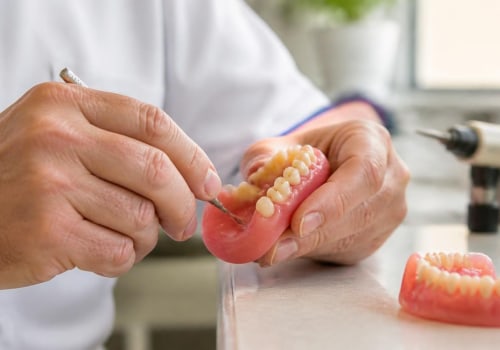
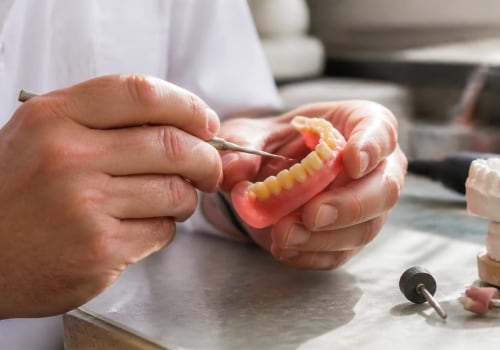
Professional denture repair is often the most reliable option, especially for significant damage. Dental professionals have the expertise and tools necessary to restore your dentures effectively.Here are some common methods used in professional repairs:
- Rebase: This method involves replacing the base of the denture while keeping the existing teeth intact. It is ideal for dentures that have become loose or worn out.
- Relining: If your dentures no longer fit properly due to changes in your gums, relining can adjust the inner surface for a better fit.
- Repairing Cracks: For cracked dentures, dental professionals can use specialized adhesives and techniques to mend the break, ensuring durability and functionality.
DIY Denture Repairs
While professional repairs are recommended for serious issues, some minor damages can be addressed at home. However, caution is advised as improper repairs can lead to further damage. Here are a few DIY methods:- Denture Repair Kits: These kits are available at pharmacies and typically include adhesive and instructions for minor repairs.
- Super Glue: In emergencies, super glue can be used for small cracks, but it is not a long-term solution and should be used sparingly.
- Heat and Reshape: For warped dentures, applying gentle heat can sometimes allow you to reshape them back into their original form.
This ensures that your dentures remain functional and comfortable, allowing you to maintain your quality of life.
When to Seek Professional Help for Denture Repair
Understanding when to seek professional help for denture repair is crucial for maintaining your oral health and ensuring the longevity of your dentures. While minor issues may seem manageable at home, certain signs indicate that it’s time to consult a dentist.Signs You Need Professional Help
- Visible Cracks or Breaks: If you notice any cracks or breaks in your dentures, it’s essential to seek professional assistance. Attempting to fix these issues yourself can lead to further damage.
- Pain or Discomfort: If your dentures are causing pain or discomfort, this could be a sign of improper fit or damage. A dentist can assess the situation and provide the necessary repairs.
- Difficulty Eating or Speaking: If you find it challenging to eat or speak clearly with your dentures, this may indicate that they need adjustment or repair.
- Loose Fit: Dentures that no longer fit securely can lead to irritation and sores in your mouth.
A professional can help reline or repair them for a better fit.
Professional Denture Repair Services
Professional denture repair services offer a range of solutions tailored to your specific needs. These services typically include:- Rebase and Reline: This process involves replacing the base material of the denture to improve fit and comfort.
- Repairing Cracks and Breaks: Dentists use specialized materials and techniques to restore the integrity of your dentures.
- Adjustments: Professionals can make precise adjustments to ensure that your dentures fit comfortably and function effectively.
DIY Denture Repair: What You Need to Know
When faced with a cracked denture, many individuals may feel overwhelmed and unsure of what to do. Fortunately, DIY denture repair can be a viable option for minor damages, allowing you to restore functionality without immediate professional help.Here are some practical tips and safe methods to consider:
- Assess the Damage: Before attempting any repairs, carefully examine the crack. If it’s a small chip or hairline fracture, you may proceed with DIY methods. However, if the denture is severely broken or if there are multiple cracks, it’s best to consult a professional.
- Gather Your Supplies: For basic repairs, you will need:
- Denture adhesive or super glue (ensure it’s safe for dental use)
- A clean cloth or paper towel
- A small brush or toothpick for application
- Clean the Area: Thoroughly clean the cracked area of the denture with warm water and mild soap. This ensures that no debris interferes with the adhesive.
- Apply Adhesive: If using denture adhesive, follow the instructions on the package.
For super glue, apply a tiny amount directly to the crack using a toothpick. Press the pieces together firmly and hold for a few minutes.
- Let It Cure: Allow the adhesive to set according to the manufacturer’s instructions. Avoid using the denture until it is fully cured to ensure a strong bond.
- Test for Stability: Once cured, gently test the repair by applying slight pressure. If it feels secure, you can proceed to use your denture cautiously.
Some people have found success using items like wax or even dental putty to fill in small gaps until they can see a professional. However, these methods should only be considered as stopgap solutions.While safe DIY methods can provide immediate relief, remember that they are not permanent solutions. Regularly inspect your dentures for any signs of wear or damage and schedule appointments with your dentist for comprehensive care. Taking proactive steps will help maintain your oral health and prolong the life of your dentures.
Cost of Denture Repair: What to Expect
When it comes to denture repair, understanding the costs involved is essential for making informed decisions.The price of repairing dentures can vary significantly based on several factors, including the type of damage, the materials used, and the dental practice's location.
Typical Costs of Denture Repair
On average, you can expect to pay anywhere from $100 to $500 for denture repairs. Here’s a breakdown of common repair types and their associated costs:- Simple Repairs: For minor cracks or chips, repairs typically range from $100 to $200.
- Complex Repairs: If your dentures require more extensive work, such as re-aligning or replacing broken parts, costs can rise to $300 to $500.
- Emergency Repairs: If you need immediate assistance, some dental offices may charge a premium for same-day service, which can add an additional $50 to $150 to your total bill.
Factors Influencing Pricing
The final cost of your denture repair will depend on several factors:- Material Quality: Higher-quality materials may increase the cost but can lead to more durable repairs.
- Location: Dental practices in urban areas may charge more than those in rural settings due to higher overhead costs.
- Dentist's Experience: More experienced dentists may charge higher fees for their expertise.
Affordable Denture Repair Options
If you're concerned about the cost of denture repair, consider these options:- Dental Insurance: Check if your insurance plan covers denture repairs; many plans offer partial coverage.
- Payment Plans: Some dental offices provide financing options that allow you to pay for repairs over time.
- Community Clinics: Look for local community health clinics that may offer lower-cost dental services.
Preventing Future Denture Damage
Taking proper care of your dentures is essential not only for maintaining their appearance but also for preventing future damage. Here are some effective tips to help you keep your dentures in optimal condition:- Handle with Care: Always handle your dentures gently.
When cleaning or removing them, do so over a soft surface or a towel to prevent breakage if they slip from your hands.
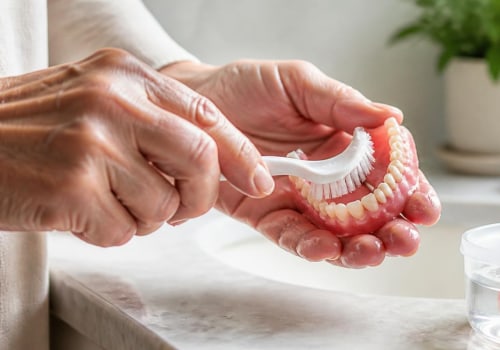
- Daily Cleaning: Clean your dentures daily using a soft-bristled brush and a non-abrasive cleaner specifically designed for dentures. Avoid using regular toothpaste, as it can scratch the surface.
- Soaking Solutions: Consider soaking your dentures in a denture-cleaning solution overnight. This helps remove stains and bacteria, ensuring they remain fresh and hygienic.
- Avoid Hot Water: Never use hot water to clean or soak your dentures, as it can warp the material. Stick to lukewarm or cool water instead.
- Regular Check-ups: Schedule regular visits with your dentist to ensure that your dentures fit properly and are in good condition.
Adjustments may be necessary over time as your mouth changes.
- Limit Hard Foods: Be cautious when eating hard or sticky foods, as they can put excessive pressure on your dentures and lead to cracks or breaks.
Frequently Asked Questions About Denture Repair
When it comes to denture repair, many individuals have questions regarding the process, maintenance, and overall care of their dentures. Here are some frequently asked questions that can help clarify common concerns.- Can I repair my cracked denture at home?
While minor cracks may seem manageable, it is not advisable to attempt a home repair. Using adhesives or DIY methods can lead to further damage and may compromise the fit and function of your dentures.It’s best to consult a dental professional for proper denture repair.
- How long does a denture repair take?
The duration of a denture repair can vary depending on the extent of the damage. Simple repairs may be completed within a few hours, while more complex issues could take several days. Always check with your dentist for an estimated timeline. - What should I do if my denture breaks?
If your denture breaks, avoid using it until it has been repaired. Contact your dentist immediately to schedule an appointment.They will assess the damage and recommend the best course of action.
- How can I prevent my dentures from cracking?
To maintain your dentures and prevent cracks, follow these tips:- Handle them with care, especially when cleaning.
- Avoid using excessive force when inserting or removing them.
- Store them in a safe place when not in use.
- Regularly visit your dentist for check-ups and adjustments.
- Are there any signs that my dentures need repair?
Yes, look out for signs such as discomfort while wearing them, visible cracks or chips, difficulty chewing, or changes in fit. If you notice any of these issues, consult your dentist promptly.
Conclusion: Key Takeaways on Denture Repair
In conclusion, addressing a cracked denture is crucial for maintaining both oral health and overall quality of life. Ignoring the issue can lead to further damage, discomfort, and even complications such as infections or misalignment of remaining teeth.Key takeaways on denture repair include:
- Prompt action is essential: If you notice any cracks or chips in your dentures, seek professional help immediately.
Delaying repairs can exacerbate the problem.
- Professional vs. DIY repairs: While some may consider DIY methods for denture repair, it is always advisable to consult a dental professional. They have the expertise and tools necessary to ensure a proper fix without compromising the integrity of the denture.
- Regular maintenance: Regular check-ups with your dentist can help identify potential issues before they become serious. This proactive approach can save you time and money in the long run.
- Understanding your options: Denture repair can involve various methods, from simple fixes to complete replacements.
Knowing your options allows you to make informed decisions about your dental care.