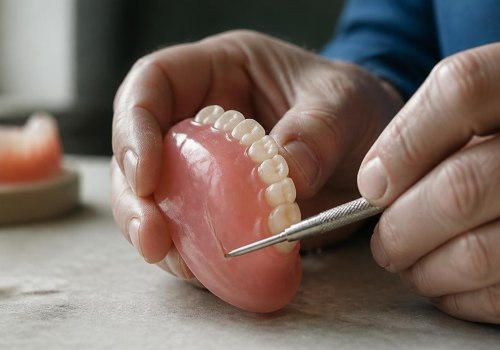
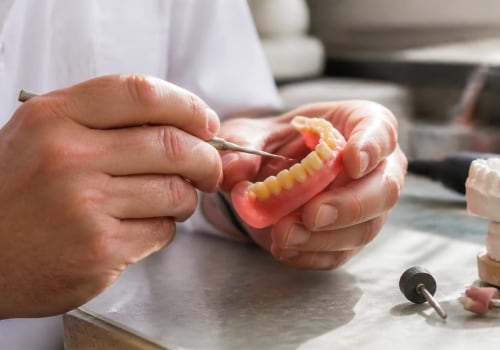
Denture repair is a crucial service for individuals who rely on dentures for their daily functioning and quality of life. Over time, dentures can become damaged due to wear and tear, accidental falls, or even improper handling. Understanding what denture repair entails is essential for patients seeking quick and effective solutions to restore their dental appliances. There are several types of denture repair that a dentist can perform, each addressing specific issues. For instance, minor repairs may involve fixing small cracks or chips in the denture base or teeth, while more extensive repairs might be necessary for complete breaks or significant structural damage.
Additionally, relining is another form of denture repair that adjusts the fit of the denture to ensure comfort and functionality. This process is particularly important as the shape of the mouth can change over time, leading to discomfort and potential oral health issues. Understanding the different types of denture repair not only helps patients make informed decisions but also emphasizes the importance of seeking professional help promptly. Many people wonder if a dentist can complete these repairs in one visit, which often depends on the extent of the damage and the specific type of repair needed. By being aware of these factors, patients can better navigate their options and ensure they receive the care they need without unnecessary delays.
Common Reasons for Denture Damage
Dentures are a vital solution for many individuals who have lost their natural teeth, but they are not immune to damage.Understanding the common reasons for denture damage can help you take better care of your dental appliances and prolong their lifespan.
- Accidental Falls: One of the most frequent causes of denture damage is accidental drops. Whether it’s from a bathroom counter or during cleaning, a fall can lead to cracks or breaks.
- Improper Cleaning Techniques: Using abrasive cleaners or hard brushes can scratch and weaken the material of dentures. It’s essential to use products specifically designed for denture care.
- Wear and Tear: Over time, dentures can naturally wear down due to regular use. This can lead to misalignment, making them uncomfortable and less effective.
- Improper Fit: If dentures do not fit correctly, they can shift during eating or speaking, leading to fractures.
Regular adjustments by a dentist are crucial to maintain a proper fit.
- Exposure to Extreme Temperatures: Dentures should not be exposed to hot water or extreme heat, as this can warp the material and cause irreparable damage.
Can a Dentist Repair a Denture in One Visit?
When it comes to denture repair, many patients wonder if their dentist can complete the process in just one visit. The answer largely depends on the extent of the damage and the type of repair needed.In some cases, a quick denture repair is indeed possible, allowing patients to leave the office with their dentures restored on the same day.
Factors Influencing One-Visit Repairs
- Type of Damage: Minor issues such as small cracks or chips can often be repaired quickly. However, more significant damage, like a broken base or multiple fractures, may require more extensive work.
- Materials Used: The materials involved in the denture's construction can also affect repair time. Some materials allow for faster bonding and curing, enabling quicker repairs.
- Dentist's Equipment: Dentists equipped with advanced technology, such as digital scanners and 3D printers, may be able to expedite the repair process significantly.
If you find yourself in need of a denture repair, consult with your dentist to explore your options for a swift resolution.
The Denture Repair Process
When it comes to denture repair, understanding the process can help alleviate any concerns you may have about your visit to the dentist. The typical denture repair process involves several key steps that ensure your dentures are restored effectively and efficiently.- Initial Assessment: The first step in the denture repair process is a thorough examination of the damaged dentures. The dentist will assess the extent of the damage, whether it’s a crack, break, or other issues, to determine the best course of action.
- Cleaning: Before any repairs can be made, the dentures must be cleaned. This step is crucial as it removes any debris or bacteria that could interfere with the repair process.
- Repair Techniques: Depending on the type and severity of the damage, dentists may use various techniques for denture repair.
Common methods include:
- Adhesive Bonding: For minor cracks, a strong dental adhesive may be used to bond the pieces back together.
- Resin Application: In cases where a piece is missing or severely damaged, a resin material can be applied to rebuild the structure.
- Replacement Parts: If a component of the denture is beyond repair, the dentist may fabricate a new part to replace it.
- Final Adjustments: After repairs are made, the dentist will check for fit and comfort. Adjustments may be necessary to ensure that the dentures function properly and feel comfortable in your mouth.
- Patient Instructions: Once repairs are complete, your dentist will provide care instructions. This may include how to clean your dentures and what to avoid to prevent future damage.
Factors Affecting Repair Time
When it comes to denture repair, the time it takes to complete the process can vary significantly based on several factors.Understanding these factors can help patients set realistic expectations for their repair visits.
Extent of Damage
The first and most critical factor is the extent of damage to the denture. Minor repairs, such as fixing a small crack or replacing a tooth, can often be completed in a single visit, sometimes within an hour. However, if the denture has sustained major damage, such as multiple fractures or significant wear, the repair may require more time and possibly multiple visits.Materials Used
The materials used in the denture also play a crucial role in determining repair time. For instance, acrylic dentures are generally easier and quicker to repair compared to those made from more complex materials like porcelain.The type of adhesive or bonding agent required for the repair can also affect how long it takes for the denture to be ready for use.
Laboratory Involvement
If the repair requires laboratory work, such as creating a new base or custom fitting, this can extend the duration significantly. In some cases, dentists may need to send the denture to a lab, which could take several days depending on their workload and processing times.Patient Factors
Lastly, patient factors such as availability and communication with the dental office can influence how quickly repairs are completed. If a patient is able to provide clear information about the issue and is flexible with scheduling, it can expedite the process. In summary, while some denture repairs can be completed in one visit, others may require more time due to various factors including damage extent, materials used, laboratory involvement, and patient circumstances. Being aware of these elements can help patients better navigate their denture repair needs.Alternatives to In-Office Repairs
When immediate denture repair is not an option, there are several alternatives that can help you manage your situation until you can see a dentist.Understanding these alternatives can provide peace of mind and maintain your oral function.
At-Home Denture Repair
If your denture has a minor break or crack, you might consider at-home denture repair kits. These kits typically include:- Adhesives: Specially formulated adhesives designed for denture materials can temporarily hold pieces together.
- Repair powder: Some kits come with a powder that can be mixed with water to create a strong bond.
- Instructions: Most kits provide step-by-step guidance on how to perform the repair safely.
Temporary Denture Solutions
If your denture is beyond simple repair, consider using temporary solutions until you can visit your dentist:- Denture adhesives: These products can help keep your dentures in place and improve comfort while you wait for repairs.
- Soft liners: A soft liner can provide cushioning and improve fit, making it easier to wear your dentures during this time.
- Partial dentures: If you have lost a tooth or two, a partial denture may serve as a temporary replacement until your full denture is repaired.
Frequently Asked Questions about Denture Repair
When it comes to denture repair, patients often have numerous questions.Here are some of the most frequently asked questions that can help clarify the process and what to expect.
1.Can a dentist repair a denture in one visit?
In many cases, a dentist can perform denture repairs in one visit, especially for minor issues such as small cracks or loose teeth. However, more extensive damage may require additional time for proper assessment and repair. It's best to consult your dentist for a personalized evaluation.2.How long does a denture repair take?
The duration of a denture repair can vary based on the complexity of the damage. Simple repairs might take as little as 30 minutes, while more complicated issues could take several hours or even require multiple appointments.3.What types of damages can be repaired?
- Cracks and breaks: Most fractures can be fixed effectively.
- Loose teeth: Teeth that have come loose can often be reattached.
- Worn-out bases: If the base of your denture is worn, it may be possible to replace or repair it.
4.How should I care for my dentures after a repair?
After a denture repair, it's crucial to follow your dentist's care instructions.Generally, you should:
- Avoid hard foods for a few days.
- Clean your dentures gently with a soft brush.
- Store them in water or a denture solution when not in use.
5.What should I do if my dentures break again?
If your dentures break again, contact your dentist immediately. Avoid attempting to fix them yourself, as this can lead to further damage and complications.Understanding these common questions about denture repair can help alleviate concerns and ensure you receive the best care possible for your dental needs.Conclusion: Key Takeaways on Denture Repair
In conclusion, understanding the nuances of denture repair is crucial for anyone who relies on dentures for their daily comfort and functionality. Throughout this article, we have explored various aspects of denture repair, including the types of damages that can occur, the repair process, and the potential for completing repairs in a single visit. Here are the key takeaways:- Denture damage can range from minor chips to significant fractures, and recognizing the type of damage is essential for determining the appropriate repair method.
- Many dental practices offer same-day denture repair services, allowing patients to leave with their dentures restored in just one visit. However, this depends on the extent of the damage and the materials used.
- It is vital to seek professional help rather than attempting DIY repairs, as improper fixes can lead to further complications and discomfort.
- Regular check-ups with your dentist can help maintain your dentures and prevent issues that may require repairs.
They can provide expert advice and ensure that your dentures are restored effectively, allowing you to smile confidently once again.