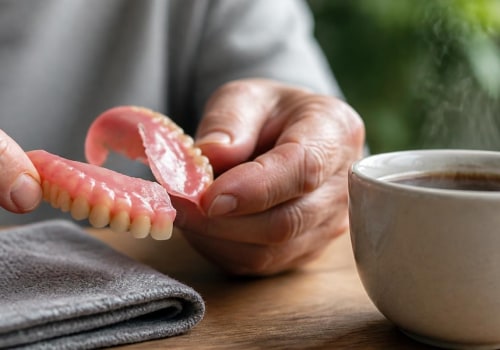
Dentures are removable dental appliances designed to replace missing teeth and restore functionality to the mouth. They are typically made from a combination of acrylic resin, metal, and sometimes porcelain, providing a natural appearance while allowing individuals to eat and speak with confidence. However, despite their benefits, dentures are not impervious to damage, particularly from habits such as teeth grinding, also known as bruxism. Teeth grinding can occur during the day or night and often goes unnoticed until significant damage has been done. This condition exerts excessive pressure on the dental structures, including dentures, leading to cracks, chips, or even complete breakage.
The vulnerability of dentures to such wear and tear is a critical concern for many users, as it can affect not only their appearance but also their overall oral health. Understanding the implications of teeth grinding on dentures is essential for anyone who wears them. Not only does it highlight the need for proper care and maintenance, but it also raises questions about denture repair options available for those who find themselves facing damage due to this common issue. In the following sections, we will explore the various ways to address denture damage and the importance of seeking timely repairs to maintain both function and aesthetics.
The Impact of Teeth Grinding on Dentures
Teeth grinding, also known as bruxism, can have a significant impact on the longevity and functionality of dentures. This involuntary habit often occurs during sleep and can lead to various types of damage, making it essential for denture wearers to understand the potential consequences.One of the most common effects of teeth grinding on dentures is the development of cracks.The excessive pressure exerted during grinding can cause the material of the denture to weaken, leading to visible fractures. These cracks not only compromise the aesthetic appearance of the dentures but can also affect their fit and comfort.In addition to cracks, teeth grinding can result in misalignment. As the denture is subjected to constant pressure, it may shift from its original position, leading to an improper bite. This misalignment can cause discomfort and difficulty in chewing, further exacerbating the issues associated with denture wear.Another sign of denture wear due to bruxism is surface wear.
Over time, the grinding action can erode the surface of the denture, leading to a rough texture that may irritate the gums and oral tissues. This wear can also affect the fit of the denture, making it less stable and more prone to slipping.Recognizing these signs early is crucial for maintaining oral health. If you notice any cracks, misalignment, or surface wear on your dentures, it’s important to consult with your dentist promptly. They can assess the damage and determine whether denture repair is possible or if a replacement is necessary.In summary, understanding how teeth grinding affects dentures is vital for anyone who wears them.
By being aware of the potential damage and seeking timely intervention, you can ensure that your dentures remain functional and comfortable for years to come.
Types of Damage Caused by Teeth Grinding
Teeth grinding, also known as bruxism, can lead to various types of damage to dentures, significantly affecting their functionality and comfort. Understanding the specific types of damage can help individuals identify issues early and seek appropriate denture repair solutions.- Denture Cracks: One of the most common forms of damage caused by teeth grinding is the development of cracks in the denture material. These cracks can range from superficial to deep, potentially compromising the structural integrity of the denture. If left unaddressed, cracks may worsen over time, leading to more extensive repairs or even replacement.
- Surface Wear: Continuous grinding can lead to significant wear and tear on the surface of the denture.
This wear can manifest as scratches or a dull appearance, making the denture less aesthetically pleasing. Additionally, worn surfaces can affect the fit and comfort of the denture, leading to irritation or sores in the mouth.
- Misalignment: Teeth grinding can also cause misalignment of dentures. The constant pressure exerted during grinding may shift the position of the denture, resulting in an improper fit. This misalignment can lead to discomfort and difficulty in chewing, necessitating professional adjustment or repair.
- Loss of Retention: Over time, grinding can wear down the clasps or other retention features of partial dentures.
This loss of retention can make it challenging for the denture to stay securely in place, increasing the risk of slippage during daily activities.
Assessing the Damage: When to Seek Professional Help
When it comes to denture repair, understanding the extent of the damage is crucial. Not all issues with dentures are immediately apparent, and some may require a professional assessment to determine the best course of action.Signs You Need a Dentist
- Visible Cracks or Breaks: If you notice any cracks or breaks in your dentures, it’s essential to seek professional help.
These damages can worsen over time and may lead to further complications.
- Loose Fit: If your dentures feel loose or uncomfortable, this could indicate that they have warped or that your gums have changed shape. A dentist can assess the fit and make necessary adjustments.
- Discoloration: Stains or discoloration can affect the appearance of your dentures. While some surface stains can be cleaned at home, persistent discoloration may require professional cleaning or repair.
- Pain or Discomfort: If wearing your dentures causes pain or discomfort, it’s a sign that something is wrong. This could be due to improper fit or damage that needs addressing.
When to Repair Dentures
If you experience any of the signs mentioned above, it’s time to consider denture repair.
Additionally, if you have been grinding your teeth (a condition known as bruxism), it’s wise to consult with a dentist even if you don’t see visible damage. Bruxism can lead to microfractures that may not be immediately noticeable but can compromise the integrity of your dentures over time.
Professional Denture Assessment
A professional denture assessment involves a thorough examination by a qualified dentist who specializes in prosthodontics. They will evaluate the condition of your dentures and determine whether they can be repaired or if replacement is necessary. This assessment is vital for ensuring that your oral health is maintained and that you continue to enjoy a comfortable fit.In summary, being proactive about assessing your dentures for damage is key.
If you notice any signs of wear or discomfort, don’t hesitate to reach out to a dental professional for an evaluation. Early intervention can save you from more extensive repairs down the line and help maintain your quality of life.
DIY Denture Repair: Is It Possible?
When faced with a damaged denture, many individuals wonder if DIY denture repair is a viable option. While professional repair is always recommended for significant damage, there are some home repair methods that can provide temporary relief.Common DIY Repair Methods
- Super Glue: For minor cracks or breaks, a small amount of super glue can be used to bond the pieces together. However, this is a temporary fix and should not be relied upon for long-term use.
- Denture Repair Kits: Available at most pharmacies, these kits often include resin and adhesive specifically designed for denture repairs.
Follow the instructions carefully for the best results.
- Heat and Reshape: If your denture has warped due to heat or grinding, you can try placing it in warm water to soften it slightly before reshaping it gently. Be cautious not to overheat, as this can cause further damage.
Temporary Fixes for Dentures
If you find yourself in need of a quick fix, consider these temporary solutions:- Denture Adhesive: Using a denture adhesive can help keep your dentures in place while you seek professional help.
- Soft Liners: If your dentures are causing discomfort due to uneven surfaces, applying a soft liner can provide cushioning until you can get them repaired.
Professional Denture Repair Options
When it comes to denture repair, seeking professional help is crucial, especially for dentures that have suffered significant damage due to teeth grinding.Professional denture repair services offer a range of solutions tailored to restore the functionality and aesthetics of your dentures.
Types of Professional Denture Repair Services
- Rebase: This process involves replacing the base of the denture while keeping the existing teeth intact. It is ideal for dentures that have become loose or uncomfortable.
- Relining: If your dentures have shifted due to changes in your gums, relining can help by adding new material to the inner surface, ensuring a snug fit.
- Repairing Cracks or Breaks: For dentures that have cracked or broken, dental professionals can use specialized adhesives and techniques to restore them to their original condition.
The Repair Process
The process typically begins with an evaluation by a dental professional who will assess the extent of the damage. Depending on the findings, they will recommend the most suitable repair option. The actual repair may take anywhere from a few hours to several days, depending on the complexity of the damage and the type of service required.
Cost of Denture Repair
The cost of denture repair can vary widely based on factors such as the type of repair needed and your location.
On average, you might expect to pay anywhere from $100 to $500 for professional services. It's advisable to consult with your dental provider for a detailed estimate and check if your dental insurance covers any part of the repair costs.In conclusion, while DIY repairs may seem tempting, they often lead to further complications. Investing in professional denture repair not only ensures a proper fix but also prolongs the lifespan of your dentures, allowing you to maintain your oral health and confidence.
Preventing Future Damage: Tips for Denture Care
Caring for your dentures is essential not only for maintaining their appearance but also for ensuring their longevity and functionality. Here are some practical tips to help you prevent denture damage and keep your dentures in optimal condition:- Regular Cleaning: Clean your dentures daily using a soft-bristled brush and a non-abrasive cleaner.
Avoid using regular toothpaste, as it can scratch the surface.
- Soaking Solutions: Use a denture-soaking solution overnight to help remove stains and bacteria. Ensure that the solution is safe for your specific type of dentures.
- Avoid Hot Water: Never use hot water to clean or soak your dentures, as it can warp the material. Stick to lukewarm or cool water instead.
- Handle with Care: When cleaning or handling your dentures, do so over a soft surface or a towel to prevent breakage if they slip from your hands.
- Regular Check-ups: Schedule regular visits with your dentist to ensure that your dentures fit properly. Ill-fitting dentures can lead to increased wear and tear.
- Address Teeth Grinding: If you grind your teeth, discuss this with your dentist.
They may recommend a night guard to protect both your natural teeth and your dentures from damage.
- Avoid Hard Foods: Be cautious with hard or sticky foods that can put extra pressure on your dentures, leading to cracks or breaks.
Frequently Asked Questions About Denture Repair
When it comes to denture repair, many individuals have questions regarding the process, maintenance, and overall care of their dentures. Here are some frequently asked questions that can help clarify common concerns.- Can I repair my dentures at home?
While minor issues like small cracks or loose teeth may seem manageable, it is generally not advisable to attempt denture repair at home. Professional repair ensures that the integrity and fit of the dentures are maintained. - How long does denture repair take?
The duration of denture repair can vary depending on the extent of the damage.Simple repairs may take a few hours, while more complex issues could require several days. Always consult your dental professional for an accurate timeline.
- What should I do if my dentures break?
If your dentures break, avoid using superglue or other adhesives. Instead, contact your dentist immediately for a professional assessment and repair. This will help prevent further damage and ensure proper fit. - How can I prevent damage to my dentures from teeth grinding?
If you grind your teeth, consider using a night guard to protect your dentures.Regular dental check-ups can also help monitor any changes in your bite that may lead to grinding.
- What are the signs that my dentures need repair?
Look for signs such as discomfort, difficulty chewing, or visible cracks. If your dentures feel loose or cause irritation, it’s time to consult your dentist for a thorough evaluation.
- How should I clean my dentures?
Use a soft-bristled brush and a non-abrasive cleaner specifically designed for dentures. Avoid using regular toothpaste as it can scratch the surface. - Can I soak my dentures in hot water?
No, soaking dentures in hot water can warp them.Always use lukewarm water for soaking and cleaning.
Conclusion: Key Takeaways on Denture Repair and Care
In conclusion, understanding denture repair and care is crucial for maintaining the longevity and functionality of your dentures, especially if they have been subjected to damage from teeth grinding. Here are the key takeaways:- Regular Maintenance: Regular cleaning and proper storage of dentures can significantly reduce the risk of damage. Always follow your dentist's recommendations for care.
- Signs of Damage: Be vigilant for signs of wear, such as cracks, chips, or discomfort while wearing your dentures. Early detection can prevent more extensive repairs.
- Repair Options: If your dentures are damaged, consult with a dental professional for repair options.
Many minor issues can be fixed effectively, but severe damage may require replacement.
- Preventive Measures: Consider using a night guard if you grind your teeth at night. This can help protect your dentures from excessive wear and tear.
- Professional Help: Always seek professional help for repairs rather than attempting DIY fixes, which can lead to further damage.