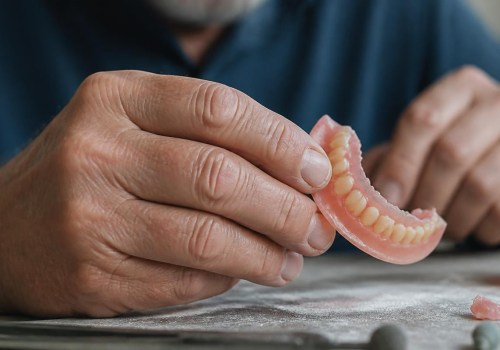
Dentures are removable dental appliances designed to replace missing teeth and restore functionality to the mouth. They can significantly improve a person's ability to chew, speak, and smile confidently. Understanding what dentures are and how they fit is crucial for anyone considering this option for tooth replacement. Typically made from acrylic resin, porcelain, or a combination of materials, dentures come in various types, including complete dentures for those who have lost all their teeth and partial dentures for individuals with some remaining natural teeth. The fit of dentures is essential for comfort and effectiveness.
Ideally, they should sit snugly against the gums without causing discomfort or slipping during daily activities. A well-fitted denture allows for normal speech and eating, while a loose-fitting denture can lead to a range of issues, including difficulty in chewing and speaking, as well as potential irritation of the gums. Over time, changes in the jawbone and gum tissue can affect how dentures fit, making it necessary for wearers to seek adjustments or repairs. There are several types of dentures available, each designed to meet specific needs. Conventional full dentures are placed after the gums have healed post-extraction, while immediate dentures are fitted right after tooth removal.
Additionally, implant-supported dentures offer a more stable solution by anchoring the denture to dental implants embedded in the jawbone. Understanding these options is vital for anyone facing tooth loss, as it sets the foundation for addressing common issues like denture repair when fit becomes problematic.
Common Causes of Loose-Fitting Dentures
Understanding the common causes of loose-fitting dentures is essential for anyone experiencing discomfort or instability with their dental prosthetics. Several factors can contribute to this issue, and recognizing them can help in seeking appropriate denture repair solutions.- Changes in Gum Shape: Over time, the shape of your gums can change due to natural aging processes or after tooth extraction. This alteration can lead to a poor fit, making dentures feel loose.
- Bone Loss: The jawbone can shrink after tooth loss, which affects how well dentures fit.
As the bone diminishes, the support for the denture decreases, leading to instability.
- Wear and Tear: Like any other dental appliance, dentures are subject to wear and tear. Daily use can cause them to become worn down, leading to a less secure fit.
- Poor Initial Fit: Sometimes, dentures may not have been fitted properly from the start. An improper fit can lead to discomfort and looseness over time.
- Changes in Weight: Significant weight fluctuations can affect the shape of your face and jaw, which may alter how your dentures sit.
If you notice any signs of looseness, consult with your dentist for potential adjustments or repairs.
Signs That Your Dentures Need Repair
Recognizing the signs that your dentures need repair is crucial for maintaining oral health and comfort. Ignoring these symptoms can lead to further complications, including discomfort and difficulty in daily activities such as eating and speaking. Here are some common signs of denture problems that you should be aware of:- Discomfort or Pain: If you experience persistent soreness or pain in your gums, it may indicate that your dentures are not fitting properly. This discomfort can be a sign that the denture base is too loose or that there are sharp edges irritating your gums.
- Difficulty Chewing: A well-fitting denture should allow you to chew food comfortably. If you find yourself struggling to bite or chew, it may be time for a denture repair.
Loose dentures can shift during chewing, making it difficult to enjoy meals.
- Visible Gaps: Check for any noticeable gaps between your gums and the denture. These gaps can trap food particles and bacteria, leading to potential infections or bad breath.
- Changes in Speech: If you notice a change in your speech patterns, such as slurring or difficulty pronouncing certain words, it could be due to ill-fitting dentures. Properly fitted dentures should not interfere with your ability to speak clearly.
- Cracks or Chips: Inspect your dentures regularly for any visible damage. Cracks or chips not only affect the appearance of your dentures but can also compromise their functionality.
Early intervention can prevent further issues and ensure that your dentures remain comfortable and effective.
DIY Denture Repair: Is It Safe?
When faced with a loose-fitting denture, many individuals consider DIY denture repair as a quick solution. However, while some home fixes may seem appealing, it’s essential to weigh the pros and cons before proceeding.Pros of DIY Denture Repair:
- Cost-effective: Attempting to fix dentures at home can save money compared to professional repairs.
- Immediate results: DIY methods can provide a quick fix, allowing you to use your dentures without waiting for a dental appointment.
Cons of DIY Denture Repair:
- Risk of damage: Improper repairs can lead to further damage, making professional repair more complicated and costly.
- Health concerns: Using non-dental adhesives or materials can pose risks, including allergic reactions or oral irritation.
- Lack of durability: Home fixes may not hold up over time, leading to repeated issues and discomfort.
Safe Methods for Home Denture Fixes:
If you decide to attempt a home denture fix, consider the following safer methods:
- Denture adhesive: Use a quality denture adhesive designed for temporary fixes. Follow the instructions carefully for best results.
- Repair kits: Some dental repair kits are available that include materials specifically designed for denture repairs. Ensure they are FDA-approved.
- Consultation: If unsure, consult with your dentist before attempting any repairs.
They may offer advice or recommend safe products.
Professional Denture Repair Services
When it comes to denture repair, seeking professional help is often the best course of action. While some minor adjustments can be made at home, a loose-fitting denture can lead to discomfort and even health issues if not addressed properly. Professional denture repair services offer a range of benefits that ensure your dentures fit well and function effectively.Benefits of Professional Denture Repair
- Expert Assessment: A qualified denturist can accurately assess the condition of your dentures and identify any underlying issues that may not be visible to the untrained eye.
- Quality Materials: Professionals use high-quality materials and advanced techniques to repair or adjust dentures, ensuring durability and comfort.
- Customized Solutions: Each patient’s needs are unique.
A denturist can provide tailored solutions that address specific problems, such as fit, alignment, or aesthetics.
- Time Efficiency: Professional services often have the tools and expertise to complete repairs quickly, minimizing the time you spend without your dentures.
What to Expect During a Professional Repair Service
During your appointment, the denturist will first conduct a thorough examination of your dentures. This may include checking for cracks, wear, or misalignment. After assessing the condition, they will discuss the necessary repairs and provide an estimate of the time and cost involved. Depending on the complexity of the repair, you may receive your dentures back on the same day or within a few days.
Finding a Qualified Denturist
To find a qualified denturist for your denture repair, consider the following steps:
- Research: Look for local dental clinics or specialized denture centers with good reviews and ratings.
- Ask for Recommendations: Consult with your dentist or friends who have experience with denturists.
- Check Credentials: Ensure that the denturist is licensed and has relevant experience in denture repairs.
- Schedule a Consultation: Meeting with a denturist can help you gauge their expertise and approach before committing to services.
Investing in expert care not only enhances comfort but also contributes to your overall oral health.
Preventing Loose Dentures: Tips for Maintenance
Maintaining your dentures is crucial for ensuring they fit well and function properly. Here are some effective denture maintenance tips to help you prevent loose dentures:- Daily Cleaning: Clean your dentures daily using a soft-bristled brush and a non-abrasive cleaner. This helps remove food particles and plaque, which can affect the fit over time.
- Soaking: Soak your dentures in a denture cleaning solution overnight. This not only keeps them clean but also helps maintain their shape.
- Avoid Hot Water: Never use hot water to clean or soak your dentures, as it can warp the material, leading to a poor fit.
- Regular Check-ups: Schedule regular visits with your dentist to have your dentures checked.
They can assess the fit and make necessary adjustments to prevent looseness.
- Handle with Care: Always handle your dentures carefully. Dropping them can cause cracks or misalignments that lead to looseness.
- Stay Hydrated: Drink plenty of water throughout the day. A dry mouth can affect how well your dentures adhere to your gums.
Frequently Asked Questions About Denture Repair
When it comes to denture repair, many individuals have questions regarding the maintenance and longevity of their dentures.Here are some frequently asked questions that can help clarify common concerns.
Can I repair my dentures at home?
While some minor adjustments can be made at home, such as using denture adhesive for a temporary fix, it is not advisable to attempt significant repairs yourself. Home repairs can lead to further damage or misalignment. It’s best to consult a dental professional for any serious issues.How often should I have my dentures checked?
It is recommended to have your dentures checked by a dentist at least once a year. Regular check-ups can help identify any wear and tear, ensuring that your dentures fit properly and function effectively.What should I do if my dentures feel loose?
- Visit your dentist: Loose dentures can be a sign of changes in your mouth structure, and a professional can assess the situation.
- Use denture adhesive: For temporary relief, denture adhesives can help secure loose-fitting dentures until you see your dentist.
- Avoid DIY fixes: Trying to adjust or repair your dentures without professional help can lead to complications.
How do I care for my dentures?
Caring for your dentures is crucial for their longevity and your oral health.Here are some tips:
- Clean daily: Brush your dentures daily with a soft-bristled brush and a cleaner specifically designed for dentures.
- Avoid hot water: Hot water can warp the shape of your dentures, so always use lukewarm water for cleaning.
- Soak overnight: Soaking your dentures in a solution overnight helps keep them moist and prevents them from drying out.
Conclusion: Key Takeaways on Denture Repair Options
In conclusion, addressing a loose-fitting denture is crucial for maintaining both oral health and overall quality of life.Denture repair
options vary, and understanding them can help you make informed decisions. Here are the key takeaways regarding denture repair:- Professional Assessment: Always consult with a dental professional if your dentures feel loose. They can identify the underlying issues, whether it’s wear and tear or changes in your gums.
- Temporary Solutions: While waiting for a professional appointment, consider using denture adhesives as a temporary fix. However, this should not replace proper repairs.
- Repair Options: Depending on the damage, options may include relining, rebasing, or even creating a new set of dentures.
Each method has its benefits and costs.
- Regular Maintenance: Proper care of your dentures can prevent future issues. Clean them daily and store them properly to extend their lifespan.
- Importance of Fit: A well-fitting denture not only enhances comfort but also improves functionality when eating and speaking.