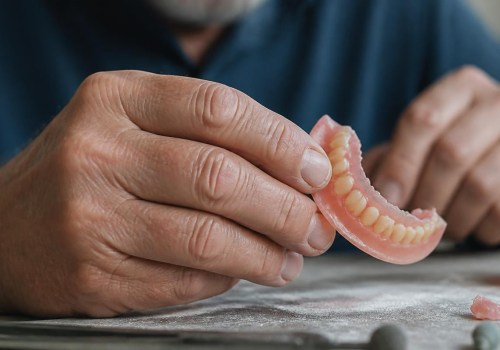
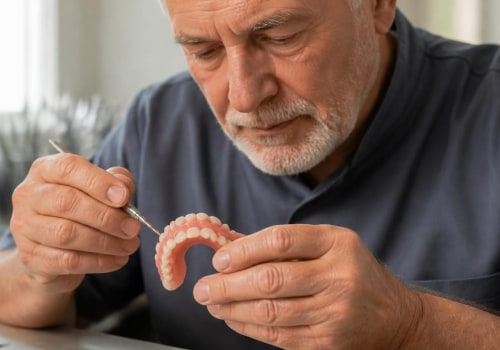
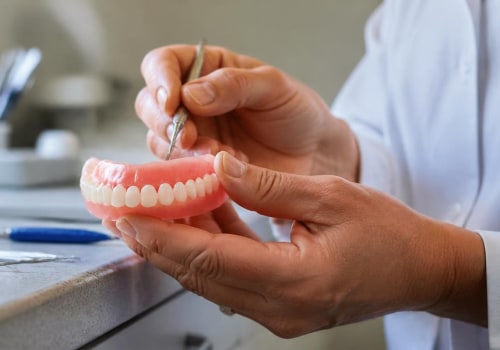
Dentures are removable dental appliances designed to replace missing teeth and restore the functionality of your mouth. They play a crucial role in enhancing not only the aesthetic appearance of an individual but also their overall oral health. By filling the gaps left by lost teeth, dentures help maintain the structure of the jaw, support facial muscles, and improve speech and chewing ability. For many, they represent a significant step towards regaining confidence and comfort in daily life. There are primarily two types of dentures: complete dentures, which are used when all teeth are missing, and partial dentures, which are suitable for individuals who still have some natural teeth remaining.
Each type serves a unique purpose and is tailored to meet the specific needs of the wearer. Understanding these distinctions is essential for anyone considering denture options, as it directly impacts their choice and subsequent care. The importance of denture repair cannot be overstated. Over time, dentures can become damaged due to wear and tear, accidents, or changes in the mouth's structure. Prompt repair is vital to ensure that they continue to function effectively and provide comfort.
Neglecting necessary repairs can lead to further complications, including discomfort, difficulty in eating, and even oral health issues. Therefore, recognizing the significance of maintaining and repairing dentures is key to enjoying their full benefits.
Common Issues That Require Denture Repair
Denture repair is often necessary due to various common issues that can arise with these dental appliances. Understanding these problems can help you identify when it’s time to seek professional assistance.- Denture Cracks: One of the most frequent issues is the formation of cracks in the denture material. These cracks can occur due to normal wear and tear, exposure to extreme temperatures, or accidental drops.
If you notice any cracks, it’s essential to address them promptly, as they can worsen over time and lead to more significant damage.
- Denture Breaks: Accidental breaks are another common problem. This can happen if the denture is dropped or subjected to excessive force while eating. A broken denture not only affects your ability to chew but can also cause discomfort and embarrassment. Immediate repair is crucial to restore functionality.
- Loose Dentures: Over time, dentures may become loose due to changes in the shape of your gums or bone structure.
Loose dentures can lead to irritation and sores in the mouth, making it uncomfortable to wear them. Regular adjustments or repairs may be necessary to ensure a proper fit.
- Stains and Discoloration: Stains from food, beverages, or tobacco can accumulate on dentures, affecting their appearance. While this issue may not require structural repair, professional cleaning or re-polishing can help restore their original look.
Step-by-Step Guide to Denture Repair
Repairing dentures can be a straightforward process if you follow the right steps.Whether you choose to handle it yourself or seek professional help, understanding the denture repair process is essential for restoring your smile.
1.Assess the Damage
Before proceeding with any repair, carefully examine your dentures. Look for cracks, chips, or any loose components. This initial assessment will help you determine whether a DIY denture repair is feasible or if you need to consult a dentist.2.Gather Necessary Materials
If you opt for a DIY approach, gather the following materials:- Denture adhesive or denture repair kit
- Warm water
- Soft cloth or paper towel
- Small brush (for cleaning)
3.Clean Your Dentures
Before applying any adhesive, ensure your dentures are clean. Rinse them under warm water and use a soft brush to remove any debris.This step is crucial for ensuring a strong bond during the repair.
4.Apply Adhesive or Repair Material
If you're using a denture repair kit, follow the instructions provided. Typically, this involves mixing the adhesive and applying it to the damaged area. For simple cracks, a small amount of denture adhesive may suffice.5.Hold and Set
After applying the adhesive, hold the pieces together firmly for several minutes to allow the bond to set. If using a repair kit, check the recommended setting time on the packaging.6.Final Cleaning and Inspection
Once the adhesive has cured, rinse your dentures again and inspect the repair.Ensure that everything is secure and that there are no sharp edges that could irritate your gums.
7.Seek Professional Help if Necessary
If your dentures are severely damaged or if you're unsure about performing a denture repair, it's best to consult a dental professional. They have access to specialized tools and materials that can ensure a more durable and effective repair.By following these steps, you can effectively manage minor denture repairs at home while knowing when to seek professional assistance for more complex issues.Tools and Materials Needed for Denture Repair
When it comes to denture repair, having the right tools and materials is crucial for achieving a successful outcome. Whether you are a professional or a DIY enthusiast, being well-equipped can make the repair process smoother and more effective.Essential Tools for Denture Repair
- Denture Adhesive: A high-quality adhesive is essential for securing broken pieces temporarily while you work on a more permanent solution.
- Dental Wax: This can be used to fill in gaps or to temporarily hold pieces together.
- Repair Kit: Many dental supply stores offer specialized denture repair kits that include various tools and materials specifically designed for this purpose.
- Small Brush: A fine brush helps in applying adhesives or cleaning the denture surface before repairs.
- Scissors: Useful for trimming any excess material or wax during the repair process.
- File or Sandpaper: These tools can help smooth out rough edges after a break, ensuring a better fit and comfort.
Materials Needed for Denture Repair
- Acrylic Resin: This is often used to bond broken pieces together and can be found in most denture repair kits.
- Denture Repair Powder: A quick-setting powder that can be mixed with water to create a strong adhesive.
- Color Matching Paint: For aesthetic repairs, color-matching paint can help restore the denture's original appearance.
- Curing Light: If using light-cured materials, a curing light is necessary to harden the resin effectively.
When to Seek Professional Help for Denture Repair
Understanding denture repair is crucial for maintaining your oral health and comfort.While minor issues can often be addressed at home, there are specific scenarios where seeking professional help is essential. Knowing when to consult a dentist can save you time, money, and potential complications.
Signs You Need Professional Denture Repair
Here are some key indicators that it’s time to see a dentist for your dentures:- Cracks or Breaks: If you notice any visible cracks or breaks in your dentures, it’s important to seek professional help immediately. Attempting to fix these issues on your own can lead to further damage.
- Pain or Discomfort: Experiencing pain or discomfort while wearing your dentures is a clear sign that something is wrong. This could indicate improper fit or underlying damage that needs professional assessment.
- Loose Fit: If your dentures feel loose or unstable, it may be due to wear and tear or changes in your mouth structure.
A dentist can adjust or repair them to ensure a secure fit.
- Severe Staining: While minor stains can often be cleaned at home, severe discoloration may require professional cleaning or even replacement.
When to Act
Don’t wait too long to address these issues. Delaying denture repair can lead to more serious complications, including oral infections or further damage to the dentures themselves. If you experience any of the signs mentioned above, schedule an appointment with your dentist as soon as possible. In summary, while some denture issues can be managed at home, recognizing the signs of serious damage is vital. Professional denture repair not only restores functionality but also ensures your overall oral health remains intact.Preventive Measures to Avoid Denture Damage
Maintaining your dentures is crucial for preventing damage and ensuring they last as long as possible.Here are some effective care tips for dentures that can help you avoid costly repairs:
- Daily Cleaning: Clean your dentures daily using a soft-bristled brush and a non-abrasive cleaner. This helps remove food particles and plaque, preventing stains and odors.
- Soaking: Soak your dentures in a denture cleaning solution overnight. This not only keeps them clean but also helps maintain their shape.
- Avoid Hot Water: Never use hot water to clean or soak your dentures, as it can warp the material. Always opt for lukewarm or cool water.
- Handle with Care: When cleaning or handling your dentures, do so over a soft surface or a towel to prevent breakage if they slip from your hands.
- Regular Check-ups: Schedule regular visits with your dentist to ensure your dentures fit properly.
Ill-fitting dentures can lead to discomfort and damage.
- Avoid Hard Foods: Steer clear of hard or sticky foods that can put excessive pressure on your dentures, leading to cracks or breaks.
- Limit Staining Foods: Be cautious with foods and beverages that can stain your dentures, such as coffee, tea, and red wine. Rinse your mouth after consuming these items.
- Use Adhesives Wisely: If you use denture adhesives, apply them sparingly. Excessive use can lead to buildup and may affect the fit of your dentures.
Frequently Asked Questions About Denture Repair
When it comes to denture repair, many individuals have questions regarding the process, maintenance, and care of their dentures. Here are some frequently asked questions that can help clarify common concerns.- What are the most common issues that require denture repair?
Common problems include cracks, chips, and broken clasps.Additionally, dentures may become loose over time, necessitating adjustments or repairs to ensure a proper fit.
- Can I repair my dentures at home?
While minor issues like small cracks can sometimes be temporarily fixed with denture adhesive, it is highly recommended to seek professional help for any significant damage. Home repairs can lead to further complications and may void warranties. - How long does denture repair take?
The duration of denture repair varies depending on the extent of the damage. Simple repairs may take a few hours, while more complex issues could require several days. Always consult your dentist for an estimated timeline. - How can I maintain my dentures to prevent the need for repairs?
Proper maintenance is key.Here are some tips:
- Clean your dentures daily with a soft brush and non-abrasive cleaner.
- Avoid using hot water, as it can warp the material.
- Store your dentures in a safe place when not in use to prevent accidental damage.
- Regularly visit your dentist for check-ups and adjustments.
- What should I do if my dentures feel uncomfortable?
If your dentures are causing discomfort, it’s important to consult your dentist. They can assess the fit and make necessary adjustments to enhance comfort.
Conclusion: Key Takeaways on Denture Repair
In summary, denture repair is a crucial aspect of maintaining oral health and ensuring the longevity of your dentures. Understanding the steps involved in the repair process can help you make informed decisions and avoid unnecessary complications. Here are the key takeaways regarding denture repair:- Regular Maintenance: Regular cleaning and proper care can prevent many common issues that necessitate repairs.
- Prompt Attention: Addressing any damage or discomfort immediately can prevent further deterioration and more extensive repairs.
- Professional Help: While some minor repairs can be done at home, it is always advisable to seek professional assistance for significant damage to ensure the best results.
- Material Awareness: Understanding the materials used in your dentures can help you choose the right repair methods and products.
- Insurance Considerations: Check with your dental insurance provider to understand what aspects of denture repair are covered, as this can significantly affect your out-of-pocket expenses.
Remember, well-maintained dentures not only improve your quality of life but also contribute to your overall health.