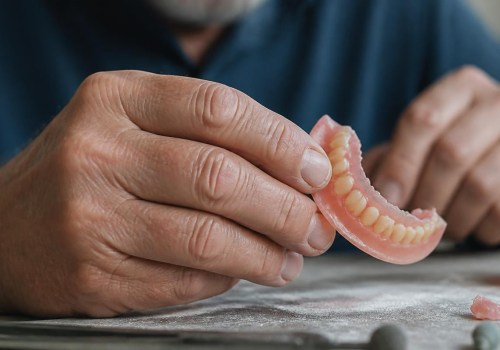
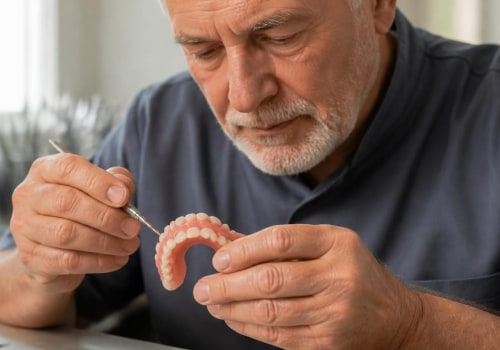
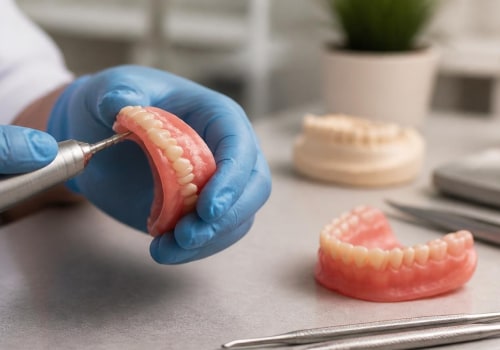
For many individuals, denture repair is an essential aspect of maintaining their oral health and quality of life. Dentures, whether full or partial, play a crucial role in restoring functionality and aesthetics after tooth loss. However, like any dental appliance, they can become damaged over time due to wear and tear, accidents, or improper handling. This is where the importance of understanding denture maintenance comes into play, as timely repairs can prevent further complications and ensure that wearers can continue to enjoy their daily activities without discomfort. In recent years, the availability of over-the-counter denture repair kits has surged, providing a convenient solution for those who may not have immediate access to professional dental services.
These kits often promise quick fixes for common issues such as cracks, breaks, or loose fittings. However, while they may seem like a practical option for urgent repairs, it is vital to consider their safety and effectiveness. Are these kits truly reliable? Can they provide a long-lasting solution, or are they merely a temporary fix?This article aims to delve into the world of denture repair, exploring the various options available to denture wearers. We will examine the pros and cons of using over-the-counter kits versus seeking professional help, ensuring that you are well-informed about the best practices for maintaining your dentures.
By understanding the implications of DIY repairs and the importance of proper denture care, you can make informed decisions that will enhance your overall dental experience.
What Are Over-the-Counter Denture Repair Kits?
Over-the-counter denture repair kits are designed to provide a quick and convenient solution for individuals who experience minor damages to their dentures. These kits typically contain materials that allow users to make temporary repairs at home, avoiding the need for immediate professional assistance.Types of Denture Repair Kits
- Adhesive Kits: These kits usually include a strong adhesive specifically formulated for denture materials. They are ideal for reattaching broken pieces or securing loose dentures.
- Repair Powder and Liquid Kits: These kits come with a powder that, when mixed with a liquid, forms a strong bond. They are suitable for more extensive repairs, such as fixing cracks or breaks in the denture base.
- Complete Repair Kits: These comprehensive kits often include both adhesive and repair powder, along with tools like applicators and instructions.
They cater to various types of damage and provide users with multiple options for repair.
How Do Denture Repair Kits Work?
Denture repair kits work by utilizing specially formulated adhesives or bonding agents that are compatible with the materials used in dentures. The process generally involves the following steps:- Clean the Area: Before applying any repair material, it is crucial to clean the damaged area thoroughly to ensure proper adhesion.
- Mixing Components: For powder and liquid kits, users must mix the components according to the instructions provided. This creates a bonding agent that can effectively repair the denture.
- Application: The adhesive or mixed bonding agent is then applied to the damaged area. Users should follow the kit's guidelines regarding application techniques and drying times.
- Curing Time: After application, it is essential to allow sufficient time for the repair material to cure before using the denture again.
For significant damage or persistent issues, consulting a dental professional is recommended.
Safety Concerns with Over-the-Counter Denture Repair Kits
When considering the use of over-the-counter denture repair kits, it is essential to address the potential safety concerns that may arise. While these kits can offer a quick fix for minor issues, they are not without risks.Health Risks Many denture repair kits contain adhesives and chemicals that may not be safe for oral use. Some of these products include toxic substances that can lead to adverse health effects if ingested. For instance, certain adhesives may contain formaldehyde or other harmful compounds that can cause irritation or allergic reactions in sensitive individuals.Possible Side Effects Using a denture repair kit improperly can lead to several side effects, including:- Gum irritation: Adhesives may cause inflammation or discomfort in the gums.
- Infection risk: If the denture is not properly cleaned before application, bacteria can be trapped, leading to infections.
- Denture damage: Some adhesives can weaken the structure of the denture itself, making future repairs more difficult.
For example, a broken denture may indicate a need for adjustments or replacements that only a dentist can provide. Ignoring these signs can lead to further complications, including jaw pain or misalignment. In conclusion, while denture repair kits may seem like a convenient solution for minor repairs, it is crucial to weigh the potential health risks and side effects. Consulting with a dental professional is always recommended to ensure safe and effective treatment options for your denture needs.
Expert Opinions on Denture Repair Kits
When it comes to denture repair, many individuals consider over-the-counter kits as a quick solution for minor issues. However, dental professionals often express caution regarding their use.According to Dr. Jane Smith, a leading dentist in restorative dentistry, "While these kits can provide a temporary fix, they are not a substitute for professional care. The materials used in these kits may not be suitable for long-term use and can lead to further complications if not applied correctly."Dr. John Doe, an oral surgeon, emphasizes the importance of understanding the limitations of these products: "Over-the-counter denture repair kits are designed for quick fixes and may not address underlying issues such as improper fit or structural damage.
Relying solely on these kits can result in more significant problems down the line." This sentiment is echoed by many dental experts who recommend that patients seek professional advice before attempting any repairs.In addition to potential risks, dental professionals also highlight the importance of proper denture maintenance. Dr. Emily Johnson, a prosthodontist, advises, "Regular check-ups and professional cleanings are essential for maintaining the integrity of your dentures. If you notice any issues, it’s best to consult your dentist rather than trying to fix it yourself with a kit." This proactive approach not only ensures the longevity of the dentures but also promotes overall oral health.In summary, while over-the-counter denture repair kits may offer a temporary solution, they should be used with caution.
Consulting with a dental professional is always recommended for safe and effective denture care. By prioritizing expert advice and regular maintenance, individuals can avoid unnecessary complications and ensure their dentures remain in optimal condition.
Alternatives to Over-the-Counter Denture Repair Kits
When it comes to denture repair, relying solely on over-the-counter kits may not always be the best option. Fortunately, there are several alternatives that can provide more reliable and effective solutions.Professional Denture Repair Options
One of the most effective alternatives is to seek professional denture repair services. Dental professionals have the expertise and tools necessary to repair dentures accurately.Here are some benefits of choosing professional services:
- Quality Assurance: Dentists use high-quality materials that ensure durability and a proper fit.
- Expertise: Professionals can assess the damage and recommend the best course of action, whether it’s a simple fix or a complete replacement.
- Time Efficiency: While it may take longer than a DIY approach, professional repairs often yield better long-term results.
DIY Denture Repair Methods
If you prefer a hands-on approach, there are several DIY denture repair methods you can consider. However, these should be approached with caution:- Super Glue: While not recommended by dentists, some individuals use super glue for quick fixes. It’s essential to ensure that the glue is safe for oral use and does not contain harmful chemicals.
- Denture Repair Kits: If you choose to use an over-the-counter kit, look for those specifically designed for dental use. Follow the instructions carefully to avoid further damage.
- Temporary Adhesives: Some products are designed for temporary fixes and can help hold dentures in place until you can see a professional.
Weighing your options carefully will help you make an informed decision about your denture repair needs.
Frequently Asked Questions About Denture Repair Kits
When considering denture repair kits, many users have questions regarding their safety and effectiveness. Here are some frequently asked questions that can help clarify these concerns.- Are over-the-counter denture repair kits safe to use?
Yes, most over-the-counter denture repair kits are designed for safe use. However, it is crucial to follow the instructions provided by the manufacturer carefully. Some kits may contain chemicals that can cause irritation if not used properly. - How long do repairs last with these kits?
The longevity of repairs made with denture repair kits can vary.Generally, they are intended for temporary fixes and may last from a few days to a few weeks, depending on usage and care.
- Can I use denture repair kits on all types of dentures?
Most kits are suitable for acrylic and some flexible dentures. However, if you have metal components or specific types of dentures, consult your dentist before using a kit. - What should I do if I experience irritation?
If you notice any irritation or allergic reaction after using a denture repair kit, discontinue use immediately and consult a healthcare professional.
Tips for Safe Use of Denture Repair Kits:
- Always read the instructions thoroughly before application.
- Ensure that your dentures are clean and dry before applying the repair material.
- Avoid using excessive amounts of the repair material to prevent complications.
- If unsure about the process, consider seeking advice from a dental professional.
Conclusion: Making Informed Choices About Denture Repair
In conclusion, the decision to use over-the-counter denture repair kits should be approached with caution and a thorough understanding of the potential risks involved. While these kits can offer a temporary solution for minor repairs, they are not without their drawbacks.Key considerations
include:- Material Safety: Many repair kits contain adhesives that may not be safe for oral use. Always check the ingredients and ensure they are non-toxic.
- Temporary Fix: These kits are designed for quick fixes and may not provide a long-lasting solution.
Relying on them can lead to further damage or complications.
- Professional Consultation: It is advisable to consult with a dental professional before attempting any repairs. They can provide guidance tailored to your specific situation.
- Potential for Misuse: Improper application of these kits can lead to discomfort or injury, emphasizing the need for careful usage.