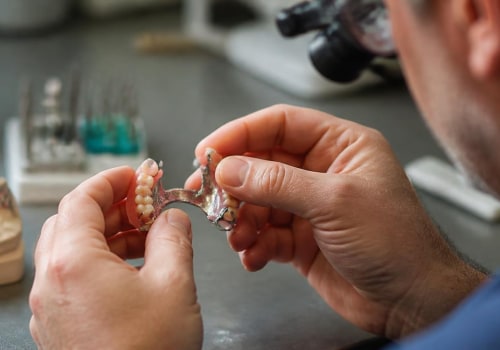
For many individuals, denture repair is an essential service that ensures their quality of life remains intact. Dentures serve as a vital tool for those who have lost their natural teeth, allowing them to eat, speak, and smile with confidence. However, like any dental appliance, dentures can become damaged over time due to wear and tear, accidents, or improper handling. Understanding the denture repair process is crucial for anyone who relies on these devices. When a denture breaks or becomes ill-fitting, it can lead to discomfort and even affect one’s ability to perform daily activities.
This is where the importance of timely repairs comes into play. Many people wonder, how long does it take to repair a denture? The answer can vary based on the extent of the damage and the type of repair needed. Some minor repairs can be completed in a matter of hours, while more complex issues may require several days. In this article, we will delve deeper into the various aspects of denture repair, including common types of damage, the typical timeline for repairs, and tips for maintaining your dentures to minimize the need for future repairs. By understanding these elements, you can better prepare yourself for any denture-related challenges that may arise.
Understanding Dentures and Their Common Issues
Dentures are prosthetic devices designed to replace missing teeth and restore functionality and aesthetics to the mouth.Understanding the different types of dentures is crucial for recognizing potential issues that may arise over time.
- Complete Dentures: These are used when all teeth are missing in either the upper or lower jaw. They can be made from acrylic resin or a combination of materials.
- Partial Dentures: These are suitable for individuals who still have some natural teeth. They fill in gaps and help maintain the structure of the mouth.
- Implant-Supported Dentures: These are anchored to dental implants, providing a more stable and secure fit compared to traditional dentures.
- Cracks and Breaks: Accidental drops or excessive force can lead to fractures, requiring professional repair.
- Poor Fit: Over time, changes in the jawbone can cause dentures to fit poorly, leading to discomfort and potential sores.
- Staining and Discoloration: Food, beverages, and tobacco can stain dentures, affecting their appearance.
- Wear and Tear: Regular use can lead to general wear, making them less effective over time.
- Daily Cleaning: Rinse and brush your dentures daily with a soft-bristled brush and a cleaner specifically designed for dentures.
- Avoid Hot Water: Hot water can warp dentures; always use lukewarm water for cleaning.
- Soaking Solutions: Use soaking solutions recommended by your dentist to keep dentures moist and free from bacteria.
- Regular Check-ups: Schedule regular visits with your dentist to ensure your dentures fit well and are in good condition.
The Denture Repair Process Explained
Repairing dentures is a meticulous process that ensures your dental prosthetics are restored to their original function and appearance.Understanding the denture repair process can help you appreciate the care and expertise involved in this essential service.
1.Initial Assessment
The first step in the denture repair process is a thorough assessment of the damaged dentures. A dental professional examines the extent of the damage, which may include cracks, breaks, or loose components. This evaluation helps determine the best course of action for repair.
2.Cleaning
Once the assessment is complete, the dentures are cleaned to remove any debris or bacteria. This step is crucial as it ensures that the repair materials adhere properly and that the final product is hygienic.
3.Choosing Materials
The choice of materials for denture repair can vary based on the type of damage and the specific needs of the patient.
Common materials include:
- Acrylic resin: Often used for minor repairs and adjustments.
- Dental adhesives: Used to bond broken pieces together securely.
- Metal reinforcements: Sometimes added for added strength in areas prone to stress.
4.Repair Techniques
The actual repair techniques can differ based on the damage type:
- For cracks: The technician may use acrylic resin to fill in and bond the crack.
- For breaks: Pieces are aligned and secured using dental adhesives or metal reinforcements.
- For loose teeth: The technician will reattach them using appropriate bonding agents.
5.Final Adjustments
After repairs are made, final adjustments are often necessary to ensure a proper fit and comfort for the wearer. This may involve reshaping or polishing the denture surfaces.
6.Quality Check
The last step involves a quality check to ensure that the repaired dentures meet all functional and aesthetic standards before being returned to the patient.This comprehensive denture repair process not only restores your dentures but also helps maintain your oral health, allowing you to smile confidently once again.
Factors Affecting Repair Time for Dentures
When it comes to denture repair, several factors can significantly influence the overall repair time. Understanding these factors can help patients set realistic expectations and plan accordingly.Type of Damage
The nature of the damage is one of the primary determinants of how long denture repair will take. Common types of damage include:- Cracks or Breaks: Minor cracks may be repaired quickly, often within a few hours, while more extensive breaks may require more time for proper alignment and bonding.
- Missing Teeth: If a tooth is missing, the repair process may take longer as it involves creating a new tooth and ensuring it matches the existing ones.
- Wear and Tear: General wear may necessitate a more comprehensive repair, which can extend the timeline.
Materials Used
The materials involved in the denture repair process also play a crucial role.For instance:
- Acrylic Resins: These are commonly used for quick repairs and can often be completed in a day.
- Metal Frameworks: Repairs involving metal components may take longer due to the need for specialized tools and techniques.
Dental Lab Workload
The workload of the dental lab handling the repair can also affect timing. During busy periods, such as after holidays or weekends, repairs may take longer due to increased demand. Additionally, some labs prioritize emergency repairs, which can expedite the process for urgent cases. In summary, while some denture repairs can be completed in just a few hours, others may take several days depending on the type of damage, materials used, and the dental lab's current workload. Being aware of these factors can help patients better navigate their denture repair needs.Typical Timeframes for Different Types of Denture Repairs
When it comes to denture repair, the time it takes can vary significantly based on the type and extent of the damage.Understanding these timeframes can help you plan accordingly and manage your expectations.
Minor Repairs
For minor repairs, such as fixing small cracks or chips, the process is generally quick. Most dental labs can complete these repairs within 1 to 2 hours. If you visit a dentist who offers in-office repairs, you might even be able to wait while the repair is made, allowing you to leave with your dentures in a single visit.Moderate Repairs
Moderate repairs, which may involve replacing a tooth or addressing more significant structural issues, typically take longer. Expect these repairs to take anywhere from 24 to 48 hours.This timeframe allows for proper assessment and crafting of replacement parts to ensure a perfect fit.
Major Repairs
If your dentures require major repairs, such as a complete rebase or relining, the process can take several days. In most cases, you should anticipate a timeframe of 3 to 7 days. This extended period is necessary for the dental lab to create a new base that fits comfortably and securely.Emergency Repairs
In urgent situations where immediate repair is necessary—such as if your dentures break right before an important event—some dental offices offer emergency denture repairs. These services can often expedite the repair process, allowing for completion within a few hours.However, availability may vary by location and the specific nature of the damage.Ultimately, understanding these typical timeframes for different types of denture repairs can help you make informed decisions and minimize any inconvenience caused by denture issues.
What to Do While Waiting for Denture Repairs
While waiting for your denture repair, it’s essential to manage your daily life effectively. Here are some practical tips and temporary solutions to help you navigate this period.Temporary Solutions for Denture Issues
If your dentures are cracked or broken, consider using a temporary dental adhesive. These adhesives can help hold the pieces together until you can get them professionally repaired.However, be cautious with the amount you use, as excessive adhesive can lead to discomfort.
How to Manage Without Dentures
Living without dentures can be challenging, especially when it comes to eating and speaking. Here are some strategies:- Soft Foods: Stick to soft foods that require minimal chewing, such as yogurt, mashed potatoes, and smoothies. This will make eating more manageable.
- Hydration: Drink plenty of fluids to help with swallowing and to keep your mouth moist.
- Speech Practice: If you find it difficult to speak clearly without your dentures, practice speaking slowly and enunciating your words.
Caring for Damaged Dentures
Even if your dentures are damaged, proper care is crucial to prevent further issues:- Avoid Hot Water: Do not clean your dentures with hot water, as this can warp them further.
Use lukewarm water instead.
- Gentle Cleaning: Use a soft-bristled toothbrush or a denture brush to clean the damaged areas gently. Avoid using regular toothpaste, which can be abrasive.
- Store Properly: When not in use, store your dentures in a safe place, preferably in a container filled with water or a denture solution to keep them moist.
Frequently Asked Questions About Denture Repair
When it comes to denture repair, many individuals have questions regarding the process, duration, and maintenance. Here are some frequently asked questions that can help clarify common concerns.- How long does it take to repair dentures?
The time required for denture repair can vary based on the extent of the damage.Minor repairs, such as fixing a small crack or chip, may take just a few hours. However, more extensive repairs could take several days, especially if the denture needs to be sent to a lab for specialized work.
- Can I repair my dentures at home?
While there are DIY kits available for minor repairs, it is generally not recommended to attempt denture repair at home. Improper repairs can lead to further damage or discomfort. It’s best to consult with a dental professional. - What should I do if my denture breaks?
If your denture breaks, avoid using superglue or other adhesives.Instead, contact your dentist immediately for an appointment. They can assess the damage and recommend the best course of action.
- How can I maintain my dentures to prevent damage?
Proper maintenance is key to prolonging the life of your dentures. Here are some tips:- Clean your dentures daily with a soft brush and non-abrasive cleaner.
- Soak them in a denture solution overnight to keep them moist.
- Avoid using hot water, as it can warp the material.
- Handle your dentures carefully to prevent dropping them.
- How often should I have my dentures checked?
It’s advisable to have your dentures checked by a dentist at least once a year. Regular check-ups can help identify any issues early and ensure that your dentures fit properly.
Conclusion: Key Takeaways on Denture Repair Timelines
In summary, understanding the denture repair timeline is crucial for anyone relying on dentures for daily function and comfort.The duration of the repair process can vary significantly based on several factors, including the extent of damage, the type of materials used, and the specific repair techniques employed by your dental professional.
Key points to remember include:
- Minor repairs, such as fixing small cracks or chips, can often be completed within a few hours.
- More extensive repairs, like those involving broken bases or significant structural issues, may take several days to complete.
- The choice between in-office repairs and sending dentures to a lab can greatly influence the repair timeline. In-office repairs are typically faster.
- Regular maintenance and prompt attention to any issues can help minimize repair times in the future.