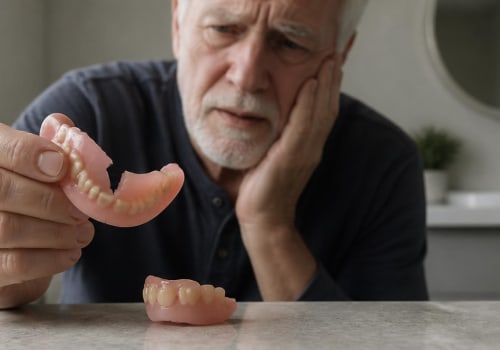
Dentures are a vital solution for many individuals who have lost their natural teeth, providing not only functionality but also restoring confidence in one’s smile. These prosthetic devices are designed to mimic the appearance and function of natural teeth, allowing users to enjoy a variety of foods and engage in social interactions without hesitation. However, despite their benefits, dentures are not impervious to damage, particularly from everyday activities such as consuming hot food and hot drinks.The materials used in denture construction, while durable, can be sensitive to extreme temperatures. Exposure to hot substances can lead to warping or cracking, which compromises the fit and function of the dentures.
This vulnerability is often overlooked by users who may not realize that their favorite steaming cup of coffee or freshly baked pizza could pose a risk to their dental appliances. Understanding these risks is crucial for denture wearers, as it can help them take preventive measures to protect their investment.In the event that damage does occur, the question arises: is it possible to repair a denture that has been compromised by heat? This inquiry leads us into a deeper exploration of denture repair options available today. From professional services to at-home solutions, knowing how to address denture damage effectively can save users both time and money while ensuring they maintain their quality of life.
Types of Damage Caused by Heat
When dentures are exposed to high temperatures from hot food or drinks, they can suffer various types of damage that may compromise their functionality and appearance. Understanding these types of damage is essential for determining the appropriate denture repair options.- Cracks: One of the most common forms of heat damage is the development of cracks.
These can occur when the material of the denture expands rapidly due to heat, leading to stress fractures. Cracks not only affect the aesthetic appeal of the dentures but can also lead to further deterioration if not addressed promptly.
- Warping: Heat can cause dentures to warp, altering their shape and fit. This is particularly problematic as it can lead to discomfort and difficulty in chewing. Warped dentures may not sit properly on the gums, which can result in sore spots and irritation.
- Discoloration: Exposure to hot substances can also lead to discoloration of the denture material.
This change in color can make dentures look aged and unappealing, impacting a person's confidence when smiling or speaking.
Assessing the Extent of Damage
When it comes to denture repair, the first step is to thoroughly assess denture damage.Understanding the extent of the damage is crucial in determining whether a simple repair will suffice or if replacement is necessary. Begin by conducting a careful denture inspection. Look for visible cracks, chips, or warping that may have occurred due to exposure to hot food or drinks. Here are some key indicators to consider:
- Cracks and Chips: Small cracks may be repairable, but larger chips can compromise the integrity of the denture.
- Discoloration: Heat can cause discoloration, which may not affect functionality but can impact aesthetics.
- Fit and Comfort: If the denture feels loose or uncomfortable, it may indicate that the structure has been compromised.
However, if the damage is extensive or if you are unsure about the repair process, consulting with a dental professional is recommended. They can provide a thorough evaluation and suggest whether a denture repair is feasible or if it’s time to consider replacement. Ultimately, knowing when to replace dentures is just as important as understanding how to repair them. If your dentures are more than five years old or have undergone multiple repairs, it might be time to invest in a new set for optimal function and comfort.
DIY Denture Repair Techniques
When faced with minor damage to your dentures, DIY denture repair techniques can offer a temporary solution until you can consult a professional. Here are some effective methods to consider:- Super Glue or Dental Adhesive: For small cracks or breaks, a small amount of super glue or dental adhesive can be used.
Ensure that the adhesive is safe for oral use and apply it sparingly to avoid excess that could interfere with fit.
- Cold Water Soak: If your denture has warped due to hot food or drinks, soaking it in cold water can help restore its shape. This method is particularly useful for acrylic dentures.
- Temporary Denture Repair Kits: Available at most pharmacies, these kits often include materials specifically designed for quick fixes. Follow the instructions carefully to ensure a secure hold.
- Pros:
- Cost-effective solutions that save time and money.
- Convenience of performing repairs at home without needing an appointment.
- Cons:
- Temporary fixes may not provide the same durability as professional repairs.
- Improper use of adhesives can lead to further damage or health risks.
If you experience significant damage or discomfort, it’s crucial to seek professional help rather than relying solely on temporary fixes.In summary, while DIY denture repair techniques can be helpful for minor issues, they should be approached with caution and are best used as a stopgap measure until you can visit your dentist for a thorough evaluation and proper repair.
Professional Denture Repair Services
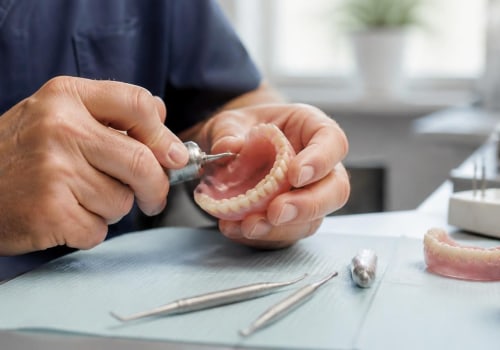
When it comes to denture repair, seeking professional help is often the best course of action. While some minor repairs can be attempted at home, such as reattaching a loose tooth, more significant damage—especially from exposure to hot food or drinks—requires the expertise of a dental professional.Benefits of Professional Denture Repair Services
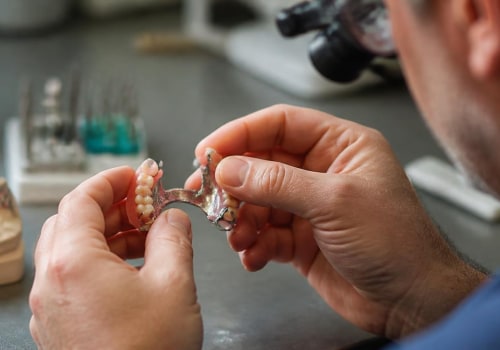
- Expertise: Dental labs employ trained technicians who specialize in denture repairs. They understand the materials and techniques necessary to restore your dentures effectively.
- Quality Assurance: Professional services ensure that repairs are durable and meet high standards, reducing the risk of future issues.
- Time Efficiency: While DIY repairs can take time and may not yield satisfactory results, dental labs often provide quick turnaround times, allowing you to get back to your daily routine sooner.
What to Expect from a Dental Lab Service
When you take your damaged dentures to a dental lab, you can expect a thorough evaluation. The technician will assess the extent of the damage and recommend the best repair options.
Common services include:
- Reinforcing cracked or broken dentures
- Replacing missing teeth
- Adjusting fit for comfort
Cost of Denture Repair
The cost of denture repair can vary widely based on several factors, including:
- The extent of the damage
- The materials required for the repair
- Your location and the specific dental lab you choose
Preventing Future Damage to Dentures
Maintaining your dentures is crucial to ensure their longevity and functionality. By following a few simple tips, you can significantly prevent denture damage caused by hot foods and drinks.- Temperature Awareness: Always allow hot foods and beverages to cool down before consuming them. This simple step can prevent the risk of warping or damaging your dentures.
- Use Denture-Friendly Products: When cleaning your dentures, opt for products specifically designed for denture care.
Avoid using regular toothpaste, as it can be abrasive and lead to scratches.
- Regular Cleaning Routine: Clean your dentures daily with a soft-bristled brush and mild soap or denture cleaner. This helps remove food particles and plaque, reducing the risk of damage.
- Avoid Hard Foods: Steer clear of hard or sticky foods that can put excessive pressure on your dentures. Foods like nuts, hard candies, and tough meats can cause fractures or dislodgement.
- Proper Storage: When not in use, store your dentures in a safe place, preferably in a container filled with water or a denture solution. This prevents them from drying out and becoming brittle.
A well-fitted denture is less likely to sustain damage from everyday use. By implementing these tips for denture maintenance, you can enjoy your meals without the worry of damaging your dental appliances.
Frequently Asked Questions about Denture Repair
When it comes to denture repair, many individuals have questions regarding the process, especially after experiencing damage from hot food or drinks. Here are some frequently asked questions that can help clarify common concerns.- Can I repair my denture at home?
While minor issues like small cracks may be temporarily fixed with denture repair kits available at pharmacies, it is always best to consult a professional. Home repairs can lead to further damage or improper fit. - What should I do if my denture is damaged by hot food or drinks?
If your denture has warped or cracked due to heat, avoid using it until you can see a dentist.Heat can alter the shape of the material, making it uncomfortable and ineffective.
- How long does denture repair take?
The time required for denture repair varies depending on the extent of the damage. Simple repairs may take a few hours, while more complex issues could require several days. - Will my insurance cover denture repairs?
Many dental insurance plans offer coverage for denture repairs, but it’s essential to check your specific policy details. Some plans may have limitations or require prior authorization. - How can I prevent damage to my dentures?
To minimize the risk of damage, avoid exposing your dentures to extreme temperatures. Always let hot foods cool down before eating and use caution with hot beverages.
If you have any specific concerns, don’t hesitate to reach out to your dental professional for personalized advice.
Conclusion: Key Takeaways on Denture Repair
In conclusion, understanding the implications of heat damage on dentures is crucial for maintaining oral health and ensuring the longevity of your dental appliances.Denture repair
is not only possible but often necessary when your dentures have been exposed to hot food or drinks. Here are the key takeaways:- Immediate Action: If you suspect that your dentures have been damaged by heat, it’s important to assess the situation promptly. Look for signs of warping, cracks, or any changes in fit.
- Professional Assessment: Always consult with a dental professional if you notice any damage.
They can provide a thorough evaluation and recommend the best course of action for denture repair.
- DIY Repairs: While some minor adjustments can be made at home, such as re-aligning loose parts, it’s essential to avoid attempting complex repairs without professional guidance.
- Preventive Measures: To prevent future damage, always allow hot foods and beverages to cool before consumption. Additionally, consider using denture-friendly products that are less likely to cause harm.
- Regular Maintenance: Regular check-ups with your dentist can help catch potential issues early and ensure that your dentures remain in optimal condition.