For many individuals, denture repair is not just a matter of convenience; it is essential for maintaining their quality of life. Dentures serve as a vital tool for those who have lost their natural teeth, allowing them to eat, speak, and smile with confidence. However, like any other dental appliance, dentures can become damaged over time due to wear and tear, accidents, or improper care. Understanding the denture repair process is crucial for anyone who relies on these devices. The success rate of denture repairs can vary significantly based on several factors, including the extent of the damage, the materials used in the dentures, and the expertise of the technician performing the repair.
Many people may wonder how effective these repairs are and whether they can restore their dentures to a functional state. This section will delve into the intricacies of denture repairs, shedding light on what individuals can expect when seeking this service. As we explore the topic further, we will discuss common types of damage that necessitate repairs, the typical procedures involved in fixing dentures, and what factors contribute to a successful outcome. By understanding these elements, individuals can make informed decisions about their denture care and repair options, ensuring they continue to enjoy the benefits that come with well-maintained dental appliances.
What is Denture Repair?
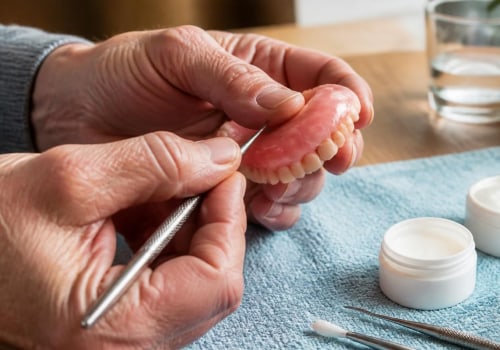
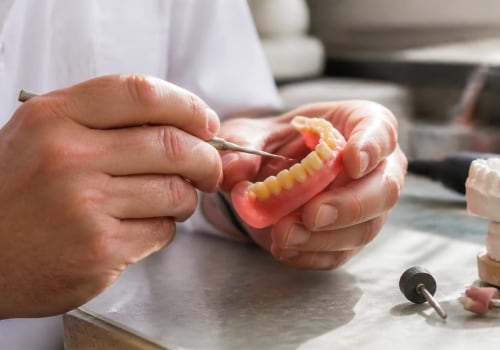
Denture repair refers to the process of fixing broken, cracked, or damaged dentures to restore their functionality and appearance. This service is essential for individuals who rely on dentures for daily activities such as eating and speaking.Over time, dentures can suffer from wear and tear due to normal use, leading to various issues that necessitate repair.There are several types of denture repairs that can be performed, depending on the nature and extent of the damage:
- Simple Repairs: These include minor adjustments, such as re-aligning loose teeth or fixing small cracks. Simple repairs can often be completed quickly and affordably.
- Complex Repairs: In cases where dentures are severely broken or have multiple issues, complex repairs may be required. This could involve replacing entire sections of the denture or re-casting them altogether.
- Relining: This process involves adding new material to the base of the denture to improve fit and comfort. Relining is often necessary as the shape of the mouth changes over time.
- Rebasing: Similar to relining, rebasing involves replacing the entire base of the denture while keeping the existing teeth intact.
This is typically done when the base material has deteriorated.
- Cracks or fractures due to accidental drops or impacts.
- Worn-out teeth that no longer provide adequate function.
- Poor fit caused by changes in gum shape or bone structure.
- Stains or discoloration that affect the aesthetic appeal of the dentures.
Factors Influencing the Success Rate of Denture Repairs
The success rate of denture repairs can vary significantly based on several key factors. Understanding these factors is essential for patients seeking effective solutions for their denture issues.Materials Used
The type of material used in the construction of the dentures plays a crucial role in the repair process.Common materials include:
- Acrylic: This is a popular choice due to its lightweight nature and ease of repair. However, it can be prone to fractures if not handled carefully.
- Porcelain: While porcelain dentures offer a more natural appearance, they are more brittle and can be challenging to repair successfully.
- Flexible materials: These are designed to withstand more stress and may have a higher success rate in repairs due to their durability.
Technician Skill Level
The expertise of the technician performing the denture repair is another critical factor. A skilled technician will have a deeper understanding of the materials and techniques required for effective repairs. Factors to consider include:- Experience: Technicians with years of experience are likely to achieve better outcomes than those who are newly trained.
- Specialization: Some technicians specialize in denture repairs, which can lead to higher success rates due to their focused knowledge.
Type of Damage
The nature and extent of the damage also influence the likelihood of a successful repair.Common types of damage include:
- Cracks and chips: These are often repairable, especially if they are minor.
- Complete breaks: Depending on the break's location, these may require more extensive work and may not always guarantee a successful outcome.
Statistics on Denture Repair Success Rates
Understanding the success rates of denture repairs is crucial for individuals considering this option. Research indicates that the success rate for denture repairs can vary significantly based on several factors, including the type of damage, the materials used, and the expertise of the dental professional performing the repair. According to a study published in the Journal of Prosthetic Dentistry, approximately 85% of denture repairs are successful when performed by experienced dental technicians. This high success rate is attributed to advancements in repair techniques and materials that enhance durability and aesthetics.Factors Influencing Success Rates
Several factors can influence the success of denture repairs:- Type of Damage: Simple fractures or chips are generally easier to repair than extensive damage or complete breaks.
- Material Quality: The type of material used in the dentures can affect how well they respond to repairs.
High-quality acrylics tend to yield better results.
- Technician Expertise: Skilled technicians with experience in denture repair are more likely to achieve successful outcomes.
Common Types of Denture Repairs and Their Success Rates
When it comes to denture repair, understanding the common types of repairs and their success rates can help patients make informed decisions about their oral health. Here are some prevalent types of denture repairs and their associated success rates:1.Relining
Relining is a procedure that involves adding new material to the inner surface of the denture to improve its fit. This is often necessary as the shape of the jawbone changes over time.The success rate for relining is generally high, with estimates ranging from 85% to 95%. Patients typically experience improved comfort and functionality after this procedure.
2.Rebasing
Rebasing is similar to relining but involves replacing the entire base of the denture while keeping the existing teeth intact. This method is often recommended when the denture base has become worn or damaged. The success rate for rebasing is also favorable, typically around 80% to 90%, as it provides a more stable foundation for the denture.3.Repairing Cracks and Breaks
Cracks and breaks in dentures can occur due to accidental drops or wear over time.The success rate for repairing these issues largely depends on the extent of the damage and the materials used for repair. Generally, simple repairs can have a success rate of 70% to 85%, while more complex fractures may yield lower success rates.
4.Tooth Replacement
If a tooth becomes loose or falls out, it can often be replaced without needing a new denture. The success rate for tooth replacement is quite high, usually around 90%, provided that the remaining structure of the denture is intact.In summary, while various types of denture repairs exist, most have favorable success rates that can significantly enhance a patient's quality of life. Regular check-ups with a dental professional can help identify issues early, ensuring timely repairs and optimal outcomes.How to Choose a Reliable Denture Repair Service
Choosing a reliable denture repair service is crucial for ensuring the longevity and functionality of your dentures.With numerous options available, it can be challenging to determine which service will meet your needs effectively. Here are some essential tips to help you make an informed decision.
- Research Credentials: Look for a denture technician who is certified and has undergone proper training. Check if they are members of professional organizations, which often require adherence to specific standards.
- Read Reviews: Customer feedback can provide valuable insights into the quality of service. Look for reviews on independent platforms to gauge the experiences of previous clients.
- Ask About Experience: Inquire how long the technician has been in the denture repair business.
A technician with extensive experience is likely to have encountered a variety of issues and can handle repairs more effectively.
- Turnaround Time: Understand the typical turnaround time for repairs. A reliable service should provide a reasonable estimate and be transparent about any potential delays.
- Quality of Materials: Ask what materials are used in the repair process. High-quality materials can significantly impact the durability and appearance of your dentures.
- Warranty and Guarantees: A reputable service often offers warranties on their repairs. This not only shows confidence in their work but also provides you with peace of mind.
- What types of repairs do you specialize in?
- Can you provide references from past clients?
- What is your process for handling repairs?
- Do you offer same-day service for minor repairs?
- How do you ensure the quality of your repairs?
FAQs About Denture Repairs and Their Success Rates
When it comes to denture repair, many patients have questions about the process and its effectiveness.Here are some frequently asked questions that can help clarify common concerns.
What is the typical success rate of denture repairs?
The success rate of denture repairs can vary depending on several factors, including the type of damage, the materials used, and the skill of the technician performing the repair. Generally, most repairs have a high success rate, often exceeding 90%. However, complex damages may require more extensive solutions.How long does a denture repair take?
Repair times can differ based on the extent of the damage and the dental practice's workload. Simple repairs may be completed within a few hours, while more complicated issues could take a day or two.It's always best to consult with your dentist for an accurate timeline.
Can all types of dentures be repaired?
Most types of dentures, including full and partial dentures, can be repaired. However, if the denture is severely damaged or worn out, it may be more beneficial to consider a replacement rather than a repair.What should I do if my dentures break?
- Do not attempt to fix them yourself: DIY repairs can lead to further damage.
- Contact your dentist immediately: They can assess the damage and recommend the best course of action.
- Avoid using superglue: This can be harmful and may not provide a lasting solution.
Are there any risks associated with denture repairs?
While denture repairs are generally safe, there are some risks involved. Poorly executed repairs can lead to discomfort or misalignment. It's crucial to have repairs done by a qualified professional to minimize these risks.In summary, understanding these common questions about denture repair can help alleviate concerns and ensure that you receive the best care possible for your dental needs.Conclusion: Key Takeaways on Denture Repair Success Rates
In summary, the success rate of denture repairs can vary significantly based on several factors, including the type of damage, the materials used, and the expertise of the dental professional performing the repair.Generally, most denture repairs are successful, with many patients experiencing restored functionality and comfort.Here are some key takeaways regarding denture repair success rates:
- Type of Damage: Simple repairs, such as fixing cracks or reattaching broken pieces, tend to have higher success rates compared to more complex issues like extensive fractures or significant wear.
- Material Quality: The materials used in both the original dentures and the repair process play a crucial role. High-quality materials often lead to more durable repairs.
- Professional Expertise: Choosing a skilled dental technician or dentist can greatly influence the outcome. Professionals with experience in denture repair are more likely to achieve successful results.
- Post-Repair Care: Following proper care instructions after a repair can enhance longevity and functionality. Patients should avoid excessive force and follow their dentist's recommendations.
Consulting with a dental professional can provide valuable insights into whether a repair is feasible or if a replacement might be a better long-term solution. By understanding the factors that influence success rates, patients can make informed decisions about their denture care.