Dentures are a vital solution for many individuals who have lost their natural teeth, providing not only functionality but also confidence in social situations. However, like any other dental appliance, dentures can experience wear and tear over time. Common issues include cracks, breaks, or loose fittings, which can significantly impact a wearer’s comfort and ability to eat or speak properly. Understanding the nuances of denture repair is essential for anyone relying on these prosthetics. For those who find themselves facing a denture mishap, the question often arises: can denture repair be effectively performed at home? While some minor adjustments may be feasible with the right tools and materials, it is crucial to recognize the limitations and potential risks involved.
Improper repairs can lead to further damage or even health complications if not handled correctly. This section will explore the various aspects of home denture repair, including common problems that can arise and the best practices for addressing them. As we delve deeper into this topic, we will also discuss when it is appropriate to attempt fixing dentures at home and when it is best to seek professional help. By equipping yourself with knowledge about fixing dentures at home, you can make informed decisions that will help maintain your oral health and prolong the life of your dentures.
Common Types of Denture Damage
Dentures, while designed to be durable, can suffer from various types of damage over time. Understanding the common types of denture damage is essential for determining whether a denture repair can be effectively performed at home.- Cracked Dentures: One of the most frequent issues, cracks can occur due to accidental drops or excessive pressure.
A crack may not always compromise the functionality of the denture, but it can lead to further damage if not addressed promptly.
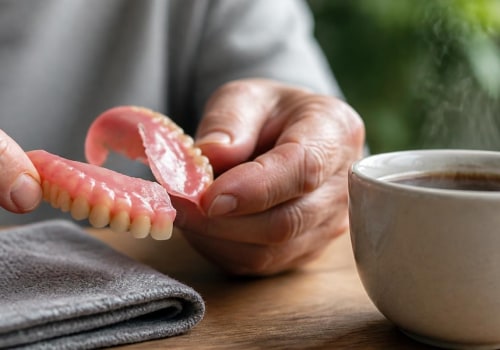
- Broken Dentures: A complete break is more severe than a crack and often requires immediate attention. Broken dentures can result from falls or mishandling, and they may separate into two or more pieces. This type of damage typically necessitates professional repair.
- Loose Fittings: Over time, dentures may become loose due to changes in the shape of the gums or bone structure. While this isn’t a physical break, it can lead to discomfort and difficulty in eating or speaking.
Adjustments can sometimes be made at home, but persistent issues should be evaluated by a dentist.
Can Dentures Be Repaired at Home?
When it comes to denture repair, many individuals wonder if they can tackle the task themselves at home. The answer is both yes and no, depending on the type of damage and the materials involved.DIY Denture Repair: What You Need to Know
For minor issues, such as small cracks or loose teeth, repairing dentures at home may be feasible. Many people turn to DIY denture repair kits available in pharmacies, which typically include adhesive and instructions for use.
However, it’s crucial to understand the limitations of these kits:
- Temporary Fixes: Most home repair solutions are temporary and may not hold up under regular use.
- Material Compatibility: Not all adhesives are suitable for dental materials, which could lead to further damage or health risks.
- Skill Level: Successfully repairing dentures requires a steady hand and some level of skill; improper repairs can worsen the situation.
The Risks of DIY Repairs
While the idea of home denture fixes can be appealing due to cost savings and convenience, there are significant risks involved:
- Health Concerns: Using inappropriate materials can lead to infections or allergic reactions.
- Long-term Damage: A poorly executed repair might necessitate a complete replacement of the dentures, leading to higher costs in the long run.
- Lack of Professional Guidance: Without a dentist's expertise, you may overlook underlying issues that require professional attention.
When to Seek Professional Help
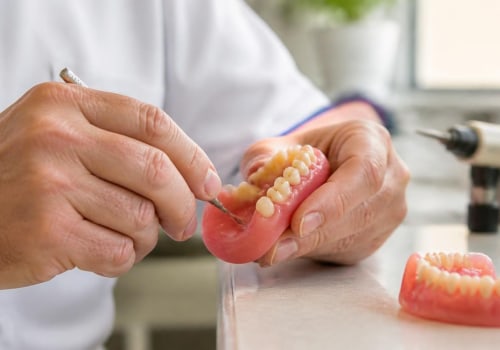
If your dentures are significantly damaged or if you experience discomfort while wearing them, it’s best to consult a dental professional. They can provide a thorough assessment and ensure that your dentures are repaired correctly and safely. In many cases, professional repairs will extend the lifespan of your dentures far beyond what a DIY approach can achieve.In conclusion, while some minor repairs can be attempted at home, it’s essential to weigh the pros and cons carefully. For anything beyond simple fixes, seeking professional help is often the best course of action to ensure your oral health and comfort.
Tools and Materials for Home Denture Repair
When considering denture repair at home, having the right tools and materials is essential for a successful outcome.Below is a list of necessary items that can help you effectively manage minor repairs.
Essential Tools for Denture Repair
- Dental Adhesive: A strong adhesive specifically designed for dental use is crucial for reattaching broken pieces or securing loose dentures.
- Small Brush: A fine brush can help apply adhesive precisely and clean any debris from the denture surface.
- Utility Knife: This tool can be used to trim any excess material or smooth out rough edges after a repair.
- Pliers: Needle-nose pliers are useful for gripping and manipulating small parts of the denture.
Materials Needed for Denture Repair
- Denture Repair Kit: These kits typically include various adhesives, tools, and instructions tailored for home repairs.
- Super Glue: While not ideal for all situations, some users find that a high-quality super glue can work in emergencies. However, it’s important to ensure it’s safe for oral use.
- Sandpaper: Fine-grit sandpaper can help smooth out rough edges after a repair, ensuring comfort when wearing the denture.
DIY Denture Repair Supplies
In addition to the tools and materials listed above, consider having the following supplies on hand:- Cotton Swabs: Useful for applying adhesive and cleaning small areas.
- Alcohol Wipes: For disinfecting the denture before and after repairs.
- Small Container: To hold small parts or pieces during the repair process, preventing loss.
Step-by-Step Guide to Repairing Dentures at Home
Repairing your dentures at home can be a practical solution for minor issues. Follow this step-by-step guide to address common problems effectively.- Gather Your Materials: Before starting, collect the necessary items: denture repair kit, a soft cloth, warm water, and a small brush.
- Identify the Problem: Examine your dentures closely.
Common issues include cracks, loose teeth, or broken clasps. Understanding the problem will help you choose the right repair method.
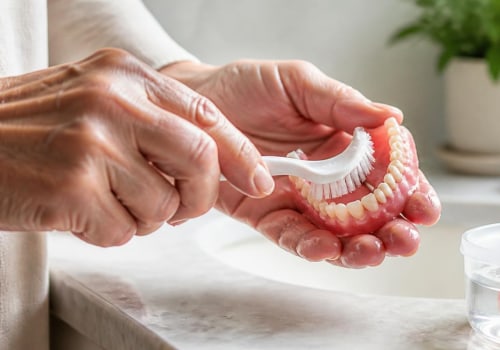
- Clean Your Dentures: Rinse your dentures under warm water to remove any debris. Use a soft brush to gently clean them, ensuring they are free from food particles.
- Repairing Cracks: If you notice a crack, apply the adhesive from your denture repair kit according to the instructions. Ensure that the adhesive fills the crack completely and hold it in place for the recommended time.
- Fixing Loose Teeth: For loose teeth, apply a small amount of adhesive to the base of the tooth and press it back into place.
Wipe away any excess adhesive with a damp cloth.
- Addressing Broken Clasps: If a clasp is broken, use the repair kit's adhesive to reattach it. Make sure it aligns properly with the rest of the denture.
When to Seek Professional Help for Denture Repairs
While some minor denture repairs can be handled at home, there are specific situations where seeking professional help is essential.Recognizing these scenarios can prevent further damage and ensure your oral health is not compromised.
Signs You Need Professional Denture Help
- Severe Cracks or Breaks: If your denture has significant cracks or has broken into multiple pieces, it’s crucial to consult a dentist. DIY fixes may not provide the strength needed for daily use.
- Loose Fit: If your dentures feel loose or uncomfortable, this could indicate that they need realignment or replacement. A professional can assess the fit and make necessary adjustments.
- Visible Wear and Tear: Over time, dentures can wear down, leading to issues with chewing and speaking. If you notice excessive wear, a dentist can evaluate whether repairs or a new set is required.
- Changes in Oral Health: Any changes in your gums or mouth, such as swelling or sores, should prompt a visit to the dentist.
These issues can affect how your dentures fit and function.
- Persistent Discomfort: If you experience ongoing pain or discomfort while wearing your dentures, it’s a sign that something is wrong. A professional can identify the cause and recommend appropriate solutions.
Frequently Asked Questions About Denture Repair
When it comes to denture repair, many individuals have questions about the process, safety, and maintenance.Here are some frequently asked questions that can help clarify these concerns.
- Can I repair my dentures at home?While minor repairs, such as reattaching a broken piece, can sometimes be done at home using denture repair kits, it is generally recommended to seek professional help. Home repairs may not provide a lasting solution and could potentially damage your dentures further.
- What should I do if my denture breaks?If your denture breaks, avoid using super glue or other adhesives not designed for dental use. Instead, contact your dentist immediately for advice on the best course of action.
- How can I maintain my dentures to prevent damage?Proper maintenance is key to prolonging the life of your dentures. Here are some tips:
- Clean daily: Brush your dentures daily with a soft-bristled brush and a cleaner specifically designed for dentures.
- Avoid hot water: Never use hot water to clean your dentures as it can warp the material.
- Store properly: When not in use, keep your dentures in a soaking solution or water to prevent them from drying out.
- How often should I see my dentist for denture check-ups?It is advisable to have regular check-ups at least once a year.
Your dentist can assess the fit and condition of your dentures and make necessary adjustments.
Conclusion: Key Takeaways on Home Denture Repair
In conclusion, understanding the nuances of denture repair is crucial for anyone who relies on dentures for daily function and comfort. While there are some DIY repair options available, it is essential to recognize their limitations and the potential risks involved.Key Takeaways:
- Temporary Solutions: Home repairs can provide a quick fix for minor issues, such as reattaching a broken piece or filling in small cracks. Common materials like dental adhesive or super glue may be used, but these should only serve as short-term solutions.
- Risks of DIY Repairs: Attempting to repair dentures at home can lead to further damage if not done correctly. Improper materials or techniques can compromise the fit and function of the dentures, potentially leading to discomfort or oral health issues.
- When to Seek Professional Help: If your dentures are significantly damaged, cracked, or if you experience pain while wearing them, it’s best to consult a dental professional.
They have the expertise and tools necessary to perform safe and effective repairs.
- Regular Maintenance: To minimize the need for repairs, regular cleaning and proper storage of dentures are essential. Following your dentist's recommendations can prolong the life of your dentures and reduce the likelihood of damage.