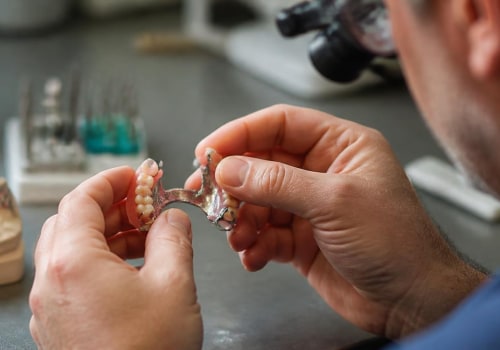
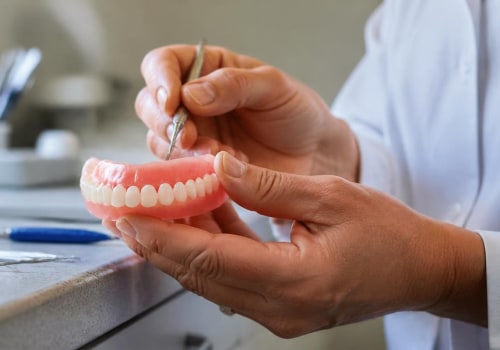
Partial dentures are dental appliances designed to replace missing teeth while preserving the remaining natural teeth. They play a crucial role in restoring functionality and aesthetics, allowing individuals to chew, speak, and smile with confidence. Understanding the components of partial dentures is essential for anyone considering this option or facing issues such as a broken clasp. A typical partial denture consists of several key components: the framework, which provides structure and support; dentures teeth, which mimic the appearance of natural teeth; and clasps, which secure the denture in place by attaching to adjacent natural teeth. The clasps are particularly important as they ensure stability and prevent movement during daily activities.
When a clasp breaks, it can lead to discomfort and functional challenges, making it imperative to address the issue promptly. There are various types of partial dentures, including metal-based and flexible options, each offering unique benefits. Metal-based dentures are known for their durability and strength, while flexible dentures provide a more comfortable fit due to their lightweight materials. Understanding these differences can help individuals make informed decisions about their dental care and the potential need for denture repair services.
What Causes a Clasp to Break?
Understanding the causes of broken clasps on partial dentures is essential for maintaining their functionality and longevity. Several factors can contribute to this common issue, and recognizing them can help prevent future damage.- Wear and Tear: Over time, the materials used in dentures can degrade due to regular use.
The constant pressure from chewing and biting can lead to fatigue in the clasp, making it more susceptible to breaking.
- Improper Fit: A poorly fitting partial denture can place undue stress on the clasps. If the denture does not sit correctly in the mouth, it may shift during use, causing the clasps to bend or break.
- Accidents: Accidental drops or impacts can easily damage a clasp. Even a minor fall can result in cracks or breaks, especially if the denture is made from brittle materials.
- Material Quality: The quality of the materials used in the denture construction plays a significant role in its durability. Low-quality acrylic or metal clasps may not withstand daily wear as effectively as higher-quality alternatives.
- Lack of Maintenance: Regular cleaning and maintenance are crucial for the longevity of partial dentures.
Neglecting to clean them properly can lead to buildup that affects their fit and function, increasing the likelihood of clasp damage.
Can a Broken Clasp Be Repaired?
A broken clasp on a partial denture can be a frustrating issue, but the good news is that denture repair is often possible. The feasibility of repairing a broken clasp depends on several factors, including the extent of the damage, the type of material used in the denture, and the specific design of the clasp.Repair Options for Broken Clasps
- Professional Repair: The most reliable option is to visit a dental professional who specializes in denture repair. They can assess the damage and determine whether the clasp can be repaired or if it needs to be replaced.
- At-Home Repair Kits: For minor breaks, some individuals opt for at-home repair kits.
These kits typically include dental adhesives designed for temporary fixes. However, this should only be a short-term solution until you can see a dentist.
- Replacement Clasps: In cases where the clasp is beyond repair, a dentist can create a new clasp that matches your existing denture. This option ensures that your denture remains functional and comfortable.
The Denture Repair Process
The process of repairing a broken clasp generally involves several steps:
- Assessment: The dentist will examine the denture to evaluate the damage and discuss potential repair options with you.
- Repair or Replacement: Depending on the assessment, the dentist will either repair the existing clasp or fabricate a new one.
- Fitting and Adjustment: Once repaired or replaced, the denture will be fitted to ensure comfort and proper function.
DIY vs.
Professional Repair: Which is Best?When faced with a broken clasp on a partial denture, many individuals consider their options for denture repair. The two primary approaches are DIY denture repair and seeking professional denture repair. Each method has its own set of advantages and disadvantages that can influence your decision.
DIY Denture Repair
DIY repair methods often appeal to those looking to save time and money. Common DIY solutions include:- Super Glue: A quick fix that can temporarily hold the clasp in place.
- Denture Repair Kits: These kits typically include adhesives and tools specifically designed for denture repairs.
- Home Remedies: Some people use household items like dental wax or even tape as a temporary solution.
Improper application can lead to further damage or discomfort. Additionally, DIY repairs may not restore the denture's original functionality or fit.
Professional Denture Repair
On the other hand, opting for professional repair services ensures that your denture is handled by trained technicians. Benefits of professional repair include:- Expertise: Professionals have the skills and experience to assess the damage accurately and provide a lasting solution.
- Quality Materials: Repairs are made using high-quality materials that are designed for durability and comfort.
- Comprehensive Service: Professionals can address multiple issues at once, ensuring your denture is fully functional.
If you need a quick fix and are comfortable with minor repairs, DIY might be suitable. However, for long-term solutions and optimal results, professional repair is generally recommended.
How to Care for Your Partial Dentures to Prevent Damage
Caring for your partial dentures is crucial to ensure their longevity and functionality. By following a few simple denture care tips, you can prevent damage and maintain the integrity of your dental appliance.- Daily Cleaning: Rinse your partial dentures after every meal to remove food particles. Use a soft-bristled toothbrush and a non-abrasive denture cleaner to gently scrub the surface.
Avoid using regular toothpaste, as it can scratch the material.
- Soaking: At least once a day, soak your dentures in a denture cleaning solution or warm water. This helps to remove stains and bacteria, keeping your dentures fresh and hygienic.
- Avoid Heat: Never expose your partial dentures to hot water or direct heat, as this can warp the material. Always use lukewarm water for cleaning and soaking.
- Handle with Care: When removing or cleaning your dentures, do so over a soft surface or a towel. This minimizes the risk of dropping them and causing damage, such as broken clasps.
- Regular Check-ups: Schedule regular visits with your dentist to ensure that your partial dentures fit properly.
Ill-fitting dentures can lead to unnecessary wear and tear, increasing the likelihood of damage.
Frequently Asked Questions About Denture Repair
When it comes to denture repair, many patients have questions about the process, maintenance, and what to do when issues arise. Here are some frequently asked questions that can help clarify common concerns.Can a broken clasp on a partial denture be repaired?
Yes, a broken clasp on a partial denture can often be repaired. It is essential to consult with your dentist or a dental technician as soon as you notice the damage.They can assess the extent of the break and determine whether it can be fixed or if a replacement is necessary.
How often should I have my dentures checked?
It is recommended to have your dentures checked at least once a year. Regular check-ups allow your dentist to ensure that your dentures fit properly and are in good condition, which can prevent further issues.What should I do if my denture breaks?
- Do not attempt to fix it yourself: Home repairs can lead to further damage.
- Contact your dentist: Schedule an appointment as soon as possible.
- Keep the broken pieces: Bring them with you to your appointment for assessment.
How can I maintain my dentures?
- Clean daily: Use a soft-bristled brush and non-abrasive cleaner specifically designed for dentures.
- Avoid hot water: Hot water can warp the shape of your dentures.
- Soak overnight: Use a denture-soaking solution to keep them moist and clean while you sleep.
Conclusion: Key Takeaways on Denture Repair
In conclusion, understanding denture repair is crucial for anyone who relies on partial dentures for their daily function and aesthetics. A broken clasp can be a common issue, but it is important to recognize that it is often repairable. Here are the key takeaways regarding denture repair:- Timely Action: If you notice a broken clasp or any other damage, seek professional help as soon as possible.
Delaying repairs can lead to further complications and discomfort.
- Professional vs. DIY Repairs: While some minor repairs may seem feasible at home, it is always advisable to consult a dental professional. They have the expertise and tools necessary to ensure a proper fix without compromising the integrity of your denture.
- Regular Maintenance: Regular check-ups with your dentist can help identify potential issues before they become serious problems. Proper care and maintenance of your partial dentures can extend their lifespan significantly.
- Understanding Your Options: If a repair is not possible, your dentist can discuss alternative solutions, such as relining or replacing the denture, ensuring you maintain optimal oral health.
Remember, your oral health is an integral part of your overall well-being, so don’t hesitate to reach out for professional assistance when needed.