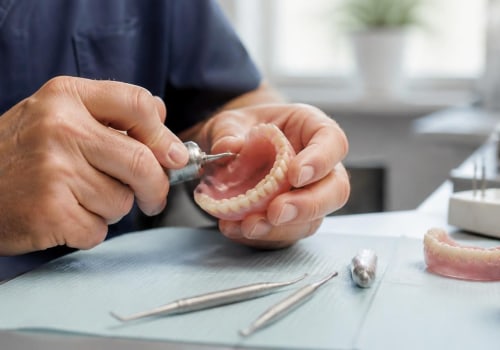
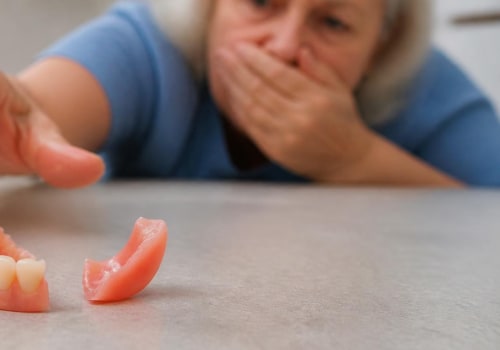
Dentures are a vital solution for individuals who have lost their natural teeth, providing not only functionality but also restoring confidence in one’s smile. These prosthetic devices are designed to mimic the appearance and function of natural teeth, allowing users to enjoy a variety of foods and engage in social interactions without hesitation. However, like any dental appliance, dentures can encounter issues that may disrupt daily life. Common problems associated with dentures include discomfort, poor fit, and, most notably, breakage. A denture break can occur unexpectedly, often while eating or during routine handling.
This can lead to feelings of frustration and anxiety, especially if one is unsure of how to address the situation promptly. Understanding the potential for these denture issues is crucial for anyone who relies on them. Proper denture care is essential not only for maintaining their longevity but also for preventing common problems. Regular cleaning and proper storage can significantly reduce the risk of damage. However, accidents can happen, and knowing how to respond when a denture breaks is just as important as preventive measures.
Being prepared with the right information can help mitigate stress and ensure that you can quickly return to your normal routine.
Immediate Steps to Take When Your Denture Breaks
Experiencing a broken denture can be alarming, especially when it happens during a meal. However, knowing the immediate steps to take can help you manage the situation effectively and minimize further damage.1.Stay Calm and Assess the Damage
- Take a moment to breathe and assess the situation. Panicking can lead to hasty decisions that may worsen the problem.
- Carefully examine your denture to determine the extent of the break. Is it a minor chip, or has it completely shattered?
2.Remove the Denture
- If your denture is causing discomfort or pain, gently remove it from your mouth.
Avoid using excessive force, as this could lead to injury.
- Place the broken pieces in a safe location to prevent further damage or loss.
3.Control Any Bleeding
- If you notice any bleeding in your mouth, apply gentle pressure with a clean cloth or gauze to the affected area.
- Rinse your mouth with warm salt water to help cleanse the area and promote healing.
4.Avoid DIY Repairs
- While it may be tempting to attempt a quick fix with glue or tape, this can lead to more significant issues and should be avoided.
- Using inappropriate materials can also pose health risks and may damage your denture beyond repair.
5.Contact Your Dentist
- Reach out to your dentist as soon as possible for professional advice on denture repair. They can provide guidance on whether you need an emergency appointment.
- If you have a dental emergency service, consider utilizing it for immediate assistance.
Assessing the Damage: Types of Breaks and Repairs
When faced with a broken denture, the first step is to assess the damage. Understanding the type of break can significantly influence the repair process and the urgency required.Here are some common types of breaks:
- Cracks: These are often hairline fractures that may not compromise the overall structure but can worsen if not addressed promptly.
- Chips: A small piece of the denture has broken off. Chips can affect aesthetics and may also impact functionality.
- Complete Breaks: This occurs when the denture separates into two or more pieces. This type of damage usually requires immediate attention.
- At-Home Repairs: For minor chips or cracks, some individuals may opt for temporary fixes using dental adhesive. However, this is not a long-term solution and should be followed by a professional assessment.
- Professional Repairs: For significant damage, such as complete breaks or extensive cracks, visiting a dental professional is crucial.
They have access to specialized tools and materials that ensure a durable repair.
- Denture Relining: If your denture has become loose due to wear or changes in your mouth structure, relining may be necessary. This process involves adding new material to the base of the denture for a better fit.
Temporary Fixes for Broken Dentures
Experiencing a denture break while eating can be alarming, but there are several temporary fixes you can employ using common household items. These quick solutions can help you manage the situation until you can visit your dentist for a professional denture repair.- Use Dental Adhesive: If your denture has cracked but is still in one piece, applying a small amount of dental adhesive can help hold it together temporarily.
Make sure to clean the area before application for better adhesion.
- Super Glue: In cases where a piece has broken off, super glue can be a quick fix. However, use it sparingly and avoid getting it on your gums. This is not a long-term solution, but it can help you get through the day.
- Cold Water Soak: If your denture has warped, soaking it in cold water may help restore its shape temporarily. Avoid hot water as it can further damage the material.
- Temporary Denture Repair Kits: Many pharmacies offer temporary denture repair kits that include materials specifically designed for quick fixes.
These kits often contain adhesive and instructions for use.
When to Seek Professional Help for Denture Repair
When it comes to denture repair, knowing when to seek professional help is crucial for maintaining your oral health and comfort. While minor issues can sometimes be managed at home, there are specific situations where consulting a dental professional is necessary.Signs You Need Professional Denture Repair
- Severe Damage: If your denture has cracked, broken, or has significant chips, it’s essential to see a dentist.
Attempting to fix these issues yourself can lead to further damage.
- Pain or Discomfort: If your denture causes pain or discomfort while eating or speaking, this could indicate a misalignment or damage that requires professional assessment.
- Loose Fit: A denture that no longer fits securely can lead to irritation and sores in the mouth. A dentist can adjust or repair the denture to ensure a proper fit.
- Wear and Tear: Over time, dentures can wear down. If you notice significant wear, it’s time to consult a professional for evaluation and potential repair.
What to Expect During the Repair Process
When you visit a dental professional for denture repair, they will first conduct a thorough examination of your dentures and your oral health. This may include:- Assessment: The dentist will assess the extent of the damage and discuss your symptoms.
- Repair Options: Depending on the damage, they may offer various repair options, including relining, rebasing, or even creating a new set of dentures if necessary.
- Timeframe: Some repairs can be done in one visit, while others may require multiple appointments.
Your dentist will provide an estimated timeframe based on the complexity of the repair.
Preventive Measures: How to Avoid Future Breaks
Preventing future breaks of your dentures is crucial for maintaining both their functionality and your oral health. Here are some effective denture care tips to help you keep your dentures in optimal condition:- Handle with Care: Always handle your dentures gently. When cleaning or removing them, do so over a soft surface or a towel to prevent damage if they slip from your hands.
- Regular Cleaning: Clean your dentures daily using a soft-bristled brush and a non-abrasive cleaner specifically designed for dentures.
Avoid using regular toothpaste, as it can scratch the surface.
- Avoid Hot Water: Never use hot water to clean or soak your dentures, as it can warp the material. Stick to lukewarm or cool water instead.
- Limit Hard Foods: Be cautious with hard or sticky foods that can put excessive pressure on your dentures. Foods like nuts, hard candies, and tough meats can increase the risk of breakage.
- Regular Check-ups: Schedule regular visits with your dentist to ensure that your dentures fit properly. Ill-fitting dentures can lead to unnecessary stress and potential breaks.
- Use Adhesives Wisely: If you use denture adhesives, apply them according to the manufacturer's instructions.
Overuse can lead to buildup and discomfort, while underuse may not provide adequate support.
Frequently Asked Questions About Denture Repair
When it comes to denture repair, many individuals have questions regarding the best practices and solutions available. Here are some frequently asked questions that can help you navigate the challenges of denture maintenance.What should I do if my denture breaks?
If your denture breaks while eating, the first step is to remain calm. Avoid trying to reassemble the pieces yourself, as this can lead to further damage.Instead, gently rinse your mouth with warm water and remove any broken pieces from your mouth. Contact your dentist or a dental lab immediately for professional denture repair.
Can I fix my denture at home?
While it may be tempting to attempt a DIY fix using super glue or other adhesives, this is not recommended. Home repairs can compromise the integrity of the denture and may lead to more significant issues down the line. Always seek professional help for denture repair.How can I prevent my dentures from breaking?
- Handle with care: Always handle your dentures gently, especially when cleaning or removing them.
- Avoid hard foods: Steer clear of very hard or sticky foods that could put excessive pressure on your dentures.
- Regular check-ups: Schedule regular dental visits to ensure your dentures fit properly and are in good condition.
What are the signs that my dentures need repair?
Look out for the following signs that may indicate your dentures require repair:- Cracks or chips: Visible damage can affect both function and aesthetics.
- Pain or discomfort: If your dentures cause pain or irritation, they may not fit correctly.
- Difficulty chewing: If you find it hard to chew food, it might be time for an adjustment or repair.
Conclusion: Key Takeaways on Denture Repair and Care
In conclusion, understanding how to manage a broken denture is crucial for maintaining both your oral health and your confidence.Here are the key takeaways regarding denture repair and care:
- Immediate Action: If your denture breaks while eating, remain calm. Avoid trying to fix it yourself with adhesives or superglue, as this can cause further damage.
- Assess the Damage: Carefully examine the denture to determine the extent of the break. If it’s a minor crack, you may be able to handle it temporarily until you can see a professional.
- Contact Your Dentist: Schedule an appointment with your dentist as soon as possible. They have the expertise to properly assess and repair your denture.
- Temporary Solutions: In some cases, your dentist may provide temporary solutions, such as a soft liner or a temporary denture, to help you until a permanent fix is made.
- Preventive Care: To minimize the risk of future breaks, handle your dentures with care.
Always clean them gently and store them in a safe place when not in use.