Dentures are prosthetic devices designed to replace missing teeth, providing both functional and aesthetic benefits to individuals who have lost their natural teeth. They play a crucial role in restoring the ability to chew, speak, and smile confidently. However, despite their importance, dentures are not impervious to damage. One of the most common scenarios leading to denture damage is accidental drops, which can result in cracks, chips, or even complete breakage. The vulnerability of dentures can be attributed to several factors, including the materials used in their construction and the way they are handled.
Most dentures are made from acrylic resin or porcelain, both of which can be fragile under certain conditions. Additionally, improper storage or cleaning methods can exacerbate the risk of damage. Understanding these factors is essential for denture wearers, as it highlights the importance of careful handling and maintenance. When discussing denture repair, it’s vital to recognize the different types of dentures available—complete dentures for those missing all teeth and partial dentures for those retaining some natural teeth. Each type has its own unique characteristics and potential vulnerabilities.
As we delve deeper into the topic of denture repair, we will explore various options available for fixing damaged dentures and provide insights on how to prevent such incidents in the future.
Common Types of Denture Damage
Dentures are designed to restore functionality and aesthetics to your smile, but they are not impervious to damage. Understanding the common types of denture damage can help you assess the situation and determine the best course of action for denture repair.- Denture Cracks: One of the most frequent issues is cracking, which can occur when dentures are dropped or subjected to excessive force. Cracks may be superficial or extend deeper into the material, potentially affecting their fit and function.
- Denture Breaks: A more severe form of damage is a complete break, where the denture separates into two or more pieces. This type of damage often requires professional intervention for effective repair.
- Chips and Fractures: Smaller chips can occur on the edges of the denture, particularly on the front teeth.
While these may seem minor, they can lead to further deterioration if not addressed promptly.
- Loose Fittings: Dropping dentures can also cause them to become misaligned or loose. This can lead to discomfort and difficulty in chewing, necessitating adjustments or repairs.
Assessing the Damage: Can It Be Repaired?
When you drop your dentures, the first step is to assess the damage.Not all damage is the same, and understanding the extent of the issue can help determine whether a denture repair is feasible or if replacement is necessary.
Signs of Damage:
- Cracks or Chips: Small cracks or chips may be repairable, especially if they are not affecting the overall structure.
- Loose Teeth: If individual teeth have become loose, they might be reattached, but this depends on the condition of the base.
- Broken Base: A broken denture base can often be repaired, but severe breaks may compromise fit and function.
- Misalignment: If your dentures are misaligned after a drop, they may need professional adjustment.
Evaluating Repair Feasibility:
To determine if your dentures can be repaired, consider the following:
- Material Type: The material of your dentures (acrylic, porcelain, etc.) affects repair options. Some materials are easier to fix than others.
- Extent of Damage: Minor damage is often repairable at home with denture repair kits, while significant damage usually requires professional help.
- Age of Dentures: Older dentures may not be worth repairing if they are already showing signs of wear and tear.
DIY Denture Repair: What You Need to Know
When faced with a broken denture, many individuals consider DIY denture repair as a viable option.While it can be tempting to attempt a home fix, it’s essential to understand the methods available, their effectiveness, and potential risks involved.
Common DIY Denture Repair Methods
- Super Glue: One of the most common methods involves using super glue to reattach broken pieces. However, this is not recommended for long-term use as it can be toxic and may not withstand the pressure of chewing.
- Denture Repair Kits: These kits are specifically designed for temporary fixes. They often include adhesive powders and instructions for use. While they can provide a quick solution, they are not a substitute for professional repair.
- Hot Water Method: For minor cracks, soaking the denture in hot water can sometimes help reshape it.
However, this method is limited and should be approached with caution to avoid further damage.
Pros and Cons of DIY Denture Repair
- Pros:
- Cost-effective compared to professional repairs.
- Quick solutions for urgent situations.
- Cons:
- Risk of using harmful materials that can affect health.
- Poorly executed repairs may lead to further damage or discomfort.
- No guarantee of a lasting solution; professional help may still be needed.
Professional Denture Repair Services
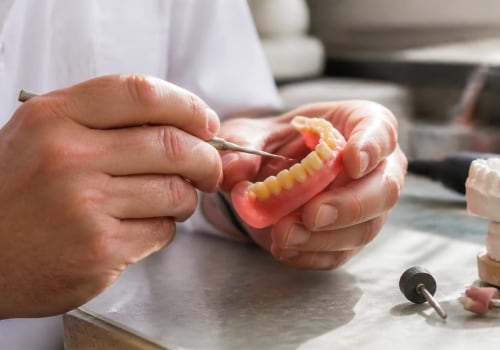
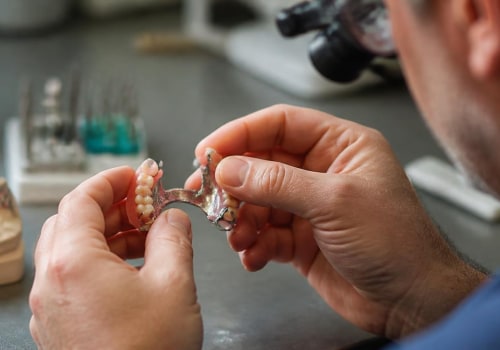
When it comes to denture repair, seeking professional help is often the best course of action. While some minor repairs can be attempted at home, such as reattaching a loose tooth, more significant damage requires the expertise of a trained dental technician.Professional denture repair services are equipped with the right tools and materials to ensure that your dentures are restored to their original function and appearance.
Benefits of Professional Denture Repair
- Quality Assurance: Dental labs use high-quality materials that are specifically designed for denture repairs, ensuring durability and comfort.
- Expertise: Technicians have extensive training and experience in handling various types of denture damage, from cracks to complete breaks.
- Time Efficiency: Professional services can often complete repairs quickly, allowing you to get back to your daily routine without prolonged discomfort.
- Rebase: Replacing the base of the denture while keeping the existing teeth.
- Relining: Adjusting the inner surface of the denture for a better fit.
- Repairing Cracks or Breaks: Using specialized adhesives or materials to restore structural integrity.
Cost of Denture Repair
The cost of professional denture repair can vary widely based on several factors, including the extent of the damage and the specific services required. On average, you might expect to pay anywhere from $100 to $500 for repairs. It's advisable to consult with your dental provider or local dental lab for an accurate estimate tailored to your situation.In conclusion, while it may be tempting to attempt DIY repairs on your dentures, professional denture repair services offer peace of mind and quality results that can prolong the life of your dental appliance.
Investing in expert care not only restores functionality but also enhances your overall oral health and comfort.
Preventing Future Denture Damage
Maintaining your dentures is crucial not only for their longevity but also for your overall oral health. Here are some effective tips to help you prevent denture damage and ensure they remain in good condition:- Handle with Care: Always handle your dentures gently. When cleaning or removing them, do so over a soft surface, such as a towel or a basin filled with water, to minimize the risk of dropping them.
- Regular Cleaning: Clean your dentures daily using a soft-bristled brush and a non-abrasive cleaner specifically designed for dentures. Avoid using regular toothpaste, as it can scratch the surface.
- Soak Overnight: Soaking your dentures in a denture solution overnight helps to keep them moist and prevents warping.
Ensure that the solution is suitable for your type of dentures.
- Avoid Hot Water: Never use hot water to clean or soak your dentures, as it can cause them to lose their shape. Stick to lukewarm or cool water instead.
- Limit Hard Foods: Be cautious with hard or sticky foods that can put extra pressure on your dentures. Cut food into smaller pieces and chew slowly to avoid damaging them.
- Regular Check-ups: Schedule regular visits with your dentist to ensure that your dentures fit properly and are in good condition. Adjustments may be necessary over time as your mouth changes.
Remember, proper maintenance not only enhances the durability of your dental appliances but also contributes to better oral hygiene and comfort.
Frequently Asked Questions About Denture Repair
When it comes to denture repair, many individuals have questions regarding the process, effectiveness, and maintenance of their dentures. Here are some frequently asked questions that can help clarify common concerns.- Can I repair my denture at home?
While minor repairs, such as reattaching a small piece, may be attempted at home using denture repair kits, it is generally recommended to seek professional help for significant damage. Attempting extensive repairs without proper knowledge can lead to further damage. - How long does a denture repair take?
The duration of a denture repair can vary depending on the extent of the damage. Simple repairs may take a few hours, while more complex issues could require several days.Always consult your dental professional for an accurate timeline.
- Is it expensive to repair dentures?
The cost of denture repair can vary widely based on the type of damage and the materials used. On average, repairs can range from $100 to $500. It's advisable to check with your dentist for specific pricing. - What should I do if my denture breaks?
If your denture breaks, avoid using superglue or other adhesives as they can cause further damage. Instead, store the broken pieces in a safe place and contact your dentist immediately for professional repair. - How can I maintain my dentures to prevent damage?
To prolong the life of your dentures, follow these maintenance tips:- Handle them with care to avoid dropping.
- Clean them daily with a soft brush and non-abrasive cleaner.
- Avoid using hot water, which can warp the material.
- Store them in a safe place when not in use.
Always consult with your dental professional for personalized advice and solutions.
Conclusion: Making Informed Decisions About Denture Repair
In conclusion, understanding the intricacies of denture repair is essential for anyone who relies on dentures for their daily comfort and functionality. Throughout this article, we have explored the various scenarios in which dentures can become damaged, particularly through accidental drops, and the potential options available for repair. It is crucial to remember that while some minor damages can be addressed at home with temporary solutions, such as denture repair kits, more significant issues often require professional intervention. Attempting to fix extensive damage without proper expertise can lead to further complications, including misalignment or even complete breakage. When considering denture repair, here are some key points to keep in mind:- Assess the Damage: Before deciding on a repair method, evaluate the extent of the damage. Minor chips may be manageable at home, while fractures or breaks should be handled by a professional.
- Consult a Professional: If in doubt, always seek advice from your dentist or a dental technician.
They can provide insights into the best course of action and ensure that your dentures are restored to their optimal condition.
- Consider Replacement: In some cases, especially with older dentures, it may be more cost-effective and beneficial to invest in a new set rather than repairing an extensively damaged one.