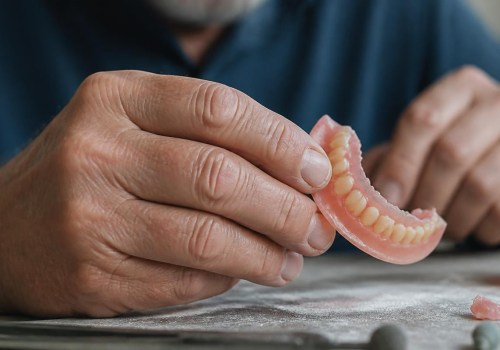
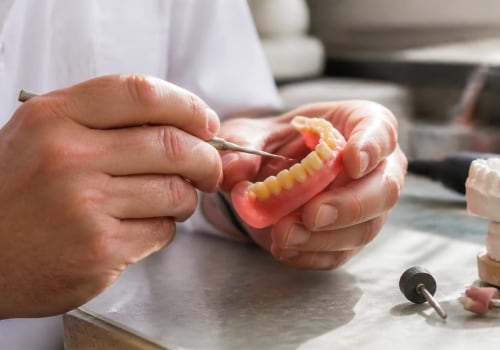
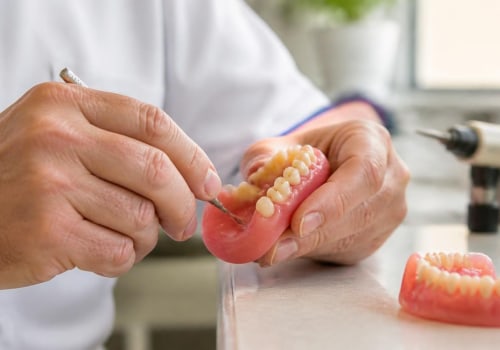
Dentures are removable dental appliances designed to replace missing teeth and restore functionality to the mouth. They play a crucial role in enhancing not only the aesthetic appearance of an individual but also their ability to chew and speak effectively. For many, dentures represent a significant step towards regaining confidence and improving quality of life after tooth loss. Understanding the different types of dentures available is essential for anyone considering this option. There are primarily two types of dentures: complete dentures, which are used when all teeth are missing, and partial dentures, which fill in gaps when some natural teeth remain.
Each type serves a specific purpose and is tailored to meet the unique needs of the wearer. Complete dentures rest on the gums, while partial dentures are anchored to existing teeth, providing stability and support. The importance of maintaining dentures cannot be overstated. Proper care ensures that they remain functional and comfortable, preventing issues such as irritation or infection in the gums. Regular cleaning and timely repairs are vital components of denture maintenance, as even minor damage can lead to significant discomfort or complications.
As we delve deeper into the topic of denture repair, it becomes clear that understanding the nature of these appliances is key to ensuring their longevity and effectiveness.
Common Causes of Denture Damage
Dentures are a vital solution for many individuals who have lost their natural teeth, but they are not immune to damage. Understanding the common causes of denture damage can help users take proactive steps to maintain their dental appliances and avoid costly repairs.- Wear and Tear: Over time, dentures can experience natural wear and tear due to daily use. Chewing food, especially hard or sticky items, can gradually wear down the material, leading to cracks or chips.
- Accidental Damage: Accidents happen, and dentures can easily break if dropped or mishandled. A simple slip of the hand can result in significant damage, making it essential to handle them with care.
- Improper Cleaning: Using harsh chemicals or abrasive materials during cleaning can weaken the structure of dentures.
It's crucial to use recommended cleaning solutions and soft brushes to maintain their integrity.
- Improper Fit: As the mouth changes over time, dentures may not fit as snugly as they once did. A poor fit can lead to excessive movement, increasing the risk of fractures or breaks.
- Temperature Changes: Exposing dentures to extreme temperatures, such as hot water or direct sunlight, can cause them to warp or crack. Always store and clean dentures in a safe environment.
Signs That Your Dentures Need Repair
Recognizing the signs of denture damage is crucial for maintaining your oral health and ensuring that your dentures function properly.Here are some key indicators that your dentures may need repair:
- Visible Cracks or Chips: If you notice any cracks or chips in your dentures, it’s a clear sign that they require immediate attention. These imperfections can worsen over time and lead to further damage.
- Pain or Discomfort: Experiencing pain or discomfort while wearing your dentures is a significant indicator that something is wrong. This could be due to improper fit caused by wear and tear or structural damage.
- Difficulty Chewing: If you find it increasingly difficult to chew food, it may be time for a denture repair. A proper fit is essential for effective chewing, and any issues should be addressed promptly.
- Changes in Fit: Over time, your gums may change shape, leading to a poor fit.
If your dentures feel loose or uncomfortable, they may need adjustment or repair.
- Unpleasant Odor: A persistent bad smell from your dentures can indicate bacterial buildup or damage. Regular cleaning is essential, but if the odor persists, consider seeking professional help.
Is It Possible to Repair a Broken Denture?
When it comes to denture repair, many individuals wonder, can broken dentures be repaired? The good news is that in most cases, yes, broken dentures can be repaired. However, the method of repair largely depends on the extent of the damage.Professional Repair Options
- Dental Office Repair: The most reliable option is to visit your dentist.
They have the necessary tools and expertise to assess the damage and perform repairs effectively. This may involve reattaching broken pieces or even creating a new denture if the damage is extensive.
- Dental Lab Services: Some dental labs specialize in denture repairs and can often provide quicker service than a dental office. They can handle various types of repairs, including relining and rebasing.
- Temporary Fixes: If you cannot see a dentist immediately, there are temporary solutions available. Over-the-counter denture repair kits can be used for minor cracks or breaks.
These kits typically include adhesive materials designed specifically for dentures.
- Avoid Super Glue: While it may be tempting to use super glue for a quick fix, it is not recommended as it can be harmful and may not hold up under the conditions that dentures face.
Professional Denture Repair Services
When it comes to denture repair, seeking professional services is often the best route to ensure a durable and effective solution. Professional denture repair services are typically offered by dental labs or specialized clinics that have the expertise and equipment necessary to restore your dentures to their original condition.What to Expect from Professional Denture Repair
- Assessment: The process begins with a thorough assessment of the damage.
A dental professional will examine your dentures to determine the extent of the repairs needed.
- Repair Process: Depending on the damage, repairs may involve re-bonding broken pieces, replacing missing teeth, or even remaking the entire denture if necessary. Advanced techniques and materials are used to ensure a seamless repair.
- Quality Control: After repairs are completed, the dentures undergo quality checks to ensure they meet the required standards for fit and function.
Cost of Denture Repair Services
The cost of denture repair services can vary widely based on several factors, including:
- The extent of the damage: Minor repairs may cost less than significant structural issues.
- The type of materials used: High-quality materials may increase the overall cost but can enhance durability.
- The provider's location: Prices can differ based on geographic location and local market rates.
Choosing a Reputable Provider
When selecting a provider for your denture repair needs, consider the following:
- Experience: Look for providers with a proven track record in denture repairs.
- Reviews and Testimonials: Check online reviews or ask for recommendations from friends or family.
- Certifications: Ensure that the dental lab or clinic is certified and follows industry standards.
DIY Denture Repair: What You Need to Know
When faced with a broken denture, many individuals consider DIY denture repair as a quick and cost-effective solution. However, it’s essential to understand the methods available, their effectiveness, and the potential risks involved.DIY Denture Repair Tips
- Super Glue: While it may seem like a quick fix, using super glue is not recommended for denture repair.
It can be toxic and may not hold up under the stress of chewing.
- Denture Repair Kits: These kits are specifically designed for temporary repairs. They often include acrylic resin and instructions for use. Follow the guidelines carefully to ensure a proper bond.
- Heat and Molding: For minor cracks, some users have found success by heating the denture slightly and pressing it back into shape. This method requires caution to avoid damaging the material.
Home Denture Repair Methods
In addition to repair kits, some people opt for household items:- Dental Wax: This can be used to fill small gaps temporarily until professional help is available.
- Cold Water Method: Soaking dentures in cold water can sometimes help in reshaping them if they have warped.
Risks of DIY Denture Repair
While DIY methods may provide a temporary solution, they come with significant risks:- Poor Fit: Improper repairs can lead to an ill-fitting denture, causing discomfort or even injury to the gums.
- Toxic Materials: Some adhesives and materials used in DIY repairs can be harmful if ingested or if they come into contact with the mouth.
- Permanent Damage: Attempting to repair dentures without proper knowledge can result in irreversible damage, necessitating a complete replacement.
For best results and safety, consulting a dental professional is always recommended.
Preventing Future Denture Damage
Maintaining your dentures is crucial for preventing damage and ensuring they last as long as possible. Here are some effective denture care tips to help you keep your dentures in optimal condition:- Daily Cleaning: Clean your dentures daily using a soft-bristled brush and a non-abrasive cleaner specifically designed for dentures. Avoid using regular toothpaste, as it can scratch the surface.
- Soaking: Soak your dentures overnight in a denture cleaning solution or plain water. This helps to keep them moist and prevents warping.
- Avoid Heat: Never expose your dentures to hot water or direct heat, as this can cause them to lose their shape.
Always use lukewarm water for cleaning.
- Handle with Care: When cleaning or handling your dentures, do so over a soft surface or a towel to prevent breakage if they slip from your hands.
- Regular Check-ups: Schedule regular dental check-ups to ensure your dentures fit properly and to address any issues before they lead to damage.
- Avoid Hard Foods: Steer clear of hard or sticky foods that can put excessive pressure on your dentures and lead to cracks or breaks.
- Stay Hydrated: Drink plenty of water throughout the day. This helps maintain saliva production, which is essential for keeping your mouth healthy and your dentures comfortable.
- Use Adhesives Wisely: If you use denture adhesives, apply them sparingly and follow the manufacturer's instructions to avoid excess buildup that can affect fit.
Frequently Asked Questions About Denture Repair
When it comes to denture repair, many individuals have questions regarding the process, costs, and maintenance. Here are some frequently asked questions that can help clarify common concerns.- Can I repair my dentures at home?
While some minor repairs can be attempted at home using denture repair kits, it is generally not recommended. Home repairs may not provide a lasting solution and could potentially damage the dentures further.It’s best to consult a dental professional for significant repairs.
- How much does denture repair cost?
The cost of denture repair can vary widely depending on the extent of the damage and the type of dentures. On average, repairs can range from $100 to $500. It’s advisable to get a quote from your dentist or dental lab. - How long does it take to repair dentures?
The time required for denture repair can vary. Simple repairs may take just a few hours, while more complex issues could take several days.Always check with your dental provider for an estimated timeline.
- What should I do if my dentures break?
If your dentures break, avoid using superglue or other adhesives to fix them yourself. Instead, store them in a safe place and contact your dentist immediately for professional assistance. - How can I maintain my dentures to prevent damage?
To keep your dentures in good condition, follow these maintenance tips:- Clean your dentures daily with a soft brush and mild soap or denture cleaner.
- Soak them overnight in a denture solution to keep them moist.
- Avoid using hot water, as it can warp the material.
- Handle them carefully to prevent dropping or damaging them.
Conclusion: Making Informed Decisions About Denture Repair
In conclusion, understanding the options available for denture repair is crucial for maintaining oral health and ensuring comfort. Throughout this article, we have explored various aspects of denture repair, including the types of damages that can occur, the methods available for repair, and the importance of seeking professional help.Here are some key takeaways to consider:- Types of Damage: Dentures can suffer from cracks, breaks, or loose fittings.
Identifying the type of damage is the first step in determining the appropriate repair method.
- Professional vs. DIY Repairs: While some minor repairs may be attempted at home using denture repair kits, it is often advisable to consult a dental professional. They have the expertise and tools necessary to ensure a proper fix.
- Long-term Solutions: In some cases, repairing dentures may only be a temporary solution. Regular check-ups with your dentist can help assess whether a full replacement is necessary.
- Cost Considerations: Understanding the costs associated with denture repair can help you budget accordingly.
Insurance may cover some repair costs, so it’s worth checking your policy.