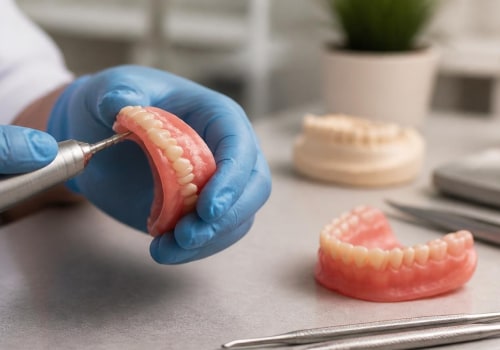
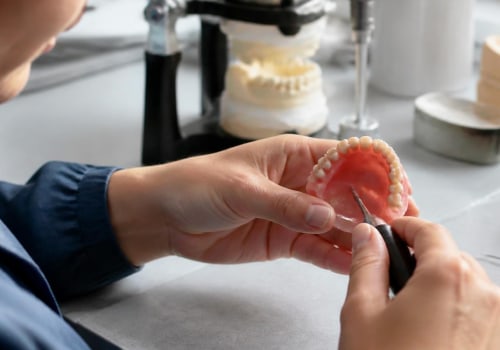
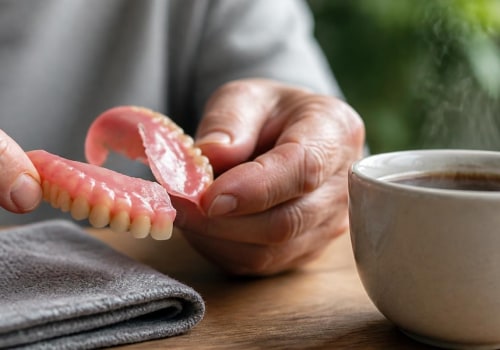
Denture repair is a crucial aspect of maintaining oral health and comfort for those who rely on dentures. As a solution for missing teeth, dentures provide functionality and aesthetics, but they are not immune to wear and tear. Over time, various factors can lead to the need for denture repair, making it essential for wearers to understand the common issues that may arise. One of the primary reasons for denture repair is accidental damage. Whether it's a slip while cleaning or an unexpected fall, dentures can crack or break, necessitating immediate attention.
Additionally, as individuals age, their oral structures may change, leading to ill-fitting dentures that can cause discomfort or even injury to the gums. This shift often results in the need for adjustments or repairs to ensure a proper fit. Another significant factor contributing to denture issues is the natural wear that occurs over time. Daily use can lead to scratches, chips, or even complete fractures in the denture material. Furthermore, improper cleaning techniques or the use of harsh chemicals can degrade the integrity of dentures, prompting repairs.
Understanding these common reasons for denture repair not only helps in timely intervention but also emphasizes the importance of regular dental check-ups to maintain optimal oral health.
Common Reasons for Denture Damage
Denture repair is often necessary due to a variety of factors that can lead to damage. Understanding these common reasons can help denture wearers take better care of their prosthetics and avoid costly repairs.- Physical Damage: Accidental drops or impacts are among the most frequent causes of denture damage. Dentures are typically made from materials that can crack or break upon impact, especially if they fall onto a hard surface.
- Wear and Tear: Over time, dentures can experience natural wear and tear. This is particularly true for those who have been using their dentures for several years.
The constant pressure from chewing can lead to thinning or fractures in the material.
- Improper Care: Neglecting proper cleaning and maintenance can also contribute to denture damage. Using abrasive cleaners or hot water can warp or scratch the surface of the dentures, leading to discomfort and potential breakage.
- Changes in Oral Health: As a person's oral health changes, so too can the fit of their dentures. Bone loss in the jaw or gum recession may cause dentures to become loose, increasing the risk of them breaking during normal use.
- Improper Storage: Storing dentures in dry conditions or without adequate moisture can lead to warping. It’s essential to keep them in a suitable solution when not in use to maintain their shape and integrity.
Types of Denture Repairs
Denture repair encompasses a variety of methods tailored to address specific issues that may arise with dentures over time.Understanding the different types of repairs can help individuals make informed decisions about their denture care.
1.Relining
Relining is a common procedure that involves adding a new layer of material to the inner surface of the denture. This method is particularly useful when the shape of the gums changes due to weight loss or aging, leading to an improper fit. By opting for relining, patients can enhance comfort and stability without needing a completely new set of dentures.2.Rebasing
Rebasing is similar to relining but involves replacing the entire base of the denture while keeping the existing teeth intact. This method is ideal for patients whose dentures have become worn or discolored but still have functional teeth.Rebasing not only improves aesthetics but also ensures a better fit.
3.Fixing Fractures
Fractures can occur due to accidental drops or excessive pressure on the dentures. Repairing fractures typically involves bonding the broken pieces together using specialized dental adhesives or materials. In some cases, if the damage is extensive, a complete replacement may be necessary.4.Tooth Replacement
If individual teeth on a denture become damaged or lost, they can often be replaced without needing to replace the entire denture. This process involves removing the damaged tooth and securely attaching a new one, restoring both function and appearance.5.Adjustments
Sometimes, minor adjustments are all that are needed to improve comfort and fit.These adjustments can include smoothing rough edges or altering the alignment of the dentures to ensure they sit properly in the mouth. In conclusion, understanding these denture repair methods allows individuals to maintain their oral health and prolong the lifespan of their dentures. Consulting with a dental professional can provide personalized recommendations based on specific needs and conditions.
Signs That Your Dentures Need Repair
Recognizing the signs of denture damage is crucial for maintaining your oral health and ensuring the longevity of your dentures. Here are some common indicators that your dentures may need repair:- Visible Cracks or Chips: If you notice any cracks or chips in your dentures, it’s essential to address these issues promptly. Even minor damage can worsen over time, leading to more significant problems.
- Pain or Discomfort: Experiencing pain or discomfort while wearing your dentures is a clear sign that something is wrong.
This could be due to improper fit, which may require adjustments or repairs.
- Difficulty Chewing: If you find it increasingly challenging to chew food, your dentures may not be fitting correctly. This can lead to further wear and tear on the appliance.
- Changes in Fit: Over time, your gums and jawbone can change shape, affecting how well your dentures fit. If they feel loose or uncomfortable, it’s time to consult a professional.
- Staining or Discoloration: While some staining can be cleaned, persistent discoloration may indicate that your dentures are aging and may need replacement or repair.
Here are some tips to keep your dentures in good condition:
- Daily Cleaning: Clean your dentures daily with a soft brush and a non-abrasive cleaner to remove food particles and plaque.
- Avoid Hot Water: Never use hot water when cleaning your dentures, as it can warp the material.
- Soak Overnight: Soaking your dentures overnight in a suitable solution helps maintain their shape and cleanliness.
How to Care for Your Dentures to Prevent Repairs
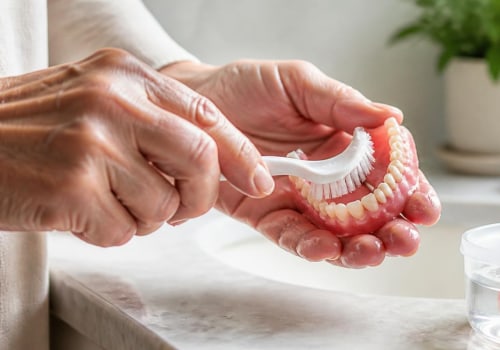
Caring for your dentures is essential not only for maintaining their appearance but also for preventing the need for denture repair. Here are some practical tips to help you keep your dentures in optimal condition:- Daily Cleaning: Clean your dentures every day using a soft-bristled brush and a non-abrasive cleaner. Avoid using regular toothpaste, as it can scratch the surface.
- Soaking: Soak your dentures overnight in a denture cleaning solution or plain water.
This helps to keep them moist and prevents warping.
- Avoid Heat: Never expose your dentures to hot water or direct heat, as this can cause them to lose their shape. Always use lukewarm water for cleaning.
- Handle with Care: When cleaning or handling your dentures, do so over a soft surface or a towel to prevent them from breaking if dropped.
- Regular Check-ups: Schedule regular visits with your dentist to ensure that your dentures fit properly and are in good condition. Adjustments may be necessary over time.
- Avoid Hard Foods: Be cautious with hard or sticky foods that can damage your dentures. Cut food into smaller pieces and chew carefully.
Remember, maintaining your dentures not only enhances their longevity but also contributes to your overall oral health.
Frequently Asked Questions About Denture Repair
When it comes to denture repair, many patients have questions and concerns. Here are some of the most frequently asked questions:- What are the most common reasons for denture repair? Dentures can require repairs due to various reasons, including cracks, chips, or breaks from accidental falls, wear and tear over time, or improper handling. Additionally, changes in the shape of your gums or jawbone can lead to ill-fitting dentures that may need adjustments or repairs.
- How long does a denture repair take? The duration of a denture repair can vary depending on the extent of the damage. Minor repairs may be completed within a few hours, while more extensive work could take several days.
It's best to consult with your dental professional for an accurate timeline.
- Can I repair my dentures at home? While some minor issues might seem fixable at home, such as reattaching a loose tooth with dental adhesive, it is generally not recommended. Attempting to repair dentures yourself can lead to further damage and may compromise their fit and function. Always seek professional help for repairs.
- How can I prevent the need for denture repairs? To minimize the need for denture repair, handle your dentures with care, avoid using them for hard foods, and store them properly when not in use. Regular check-ups with your dentist can also help identify potential issues before they require significant repairs.
Conclusion: Key Takeaways on Denture Repair
In summary, understanding denture repair is crucial for maintaining both the functionality and aesthetics of your dentures.Throughout this article, we have explored several common reasons that necessitate denture repair, including:
- Cracks and Breaks: These can occur due to accidental drops or excessive force, leading to compromised structure.
- Wear and Tear: Over time, dentures can become worn down, affecting their fit and comfort.
- Staining and Discoloration: Food, beverages, and tobacco can stain dentures, requiring professional cleaning or repair.
- Poor Fit: Changes in the mouth's structure can lead to ill-fitting dentures, necessitating adjustments or repairs.
- Missing Teeth: If a tooth becomes loose or falls out, it can be replaced through repair services.
Remember, well-maintained dentures contribute to better oral health and overall well-being.