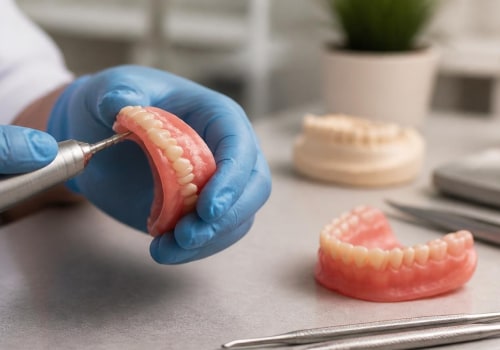
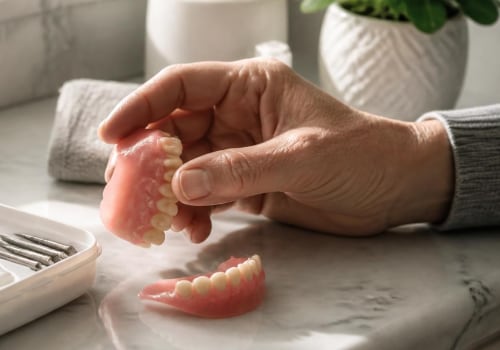
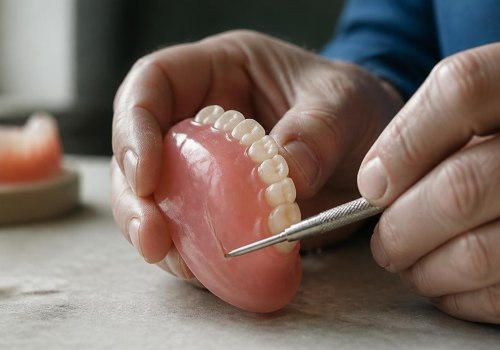
Dentures are removable dental appliances designed to replace missing teeth and restore the functionality of your mouth. They play a crucial role in maintaining not only the aesthetics of your smile but also your overall oral health. By providing support for facial structures, dentures help prevent the sagging of cheeks and lips, which can occur when teeth are lost. This makes them an essential component for individuals who have experienced tooth loss due to various reasons, including decay, injury, or periodontal disease. The importance of dentures extends beyond mere appearance; they significantly impact daily activities such as eating and speaking.
Without proper dental support, individuals may struggle with chewing food effectively or articulating words clearly, leading to social discomfort and nutritional deficiencies. Therefore, maintaining the integrity of dentures is vital for ensuring that they continue to serve their purpose effectively. However, like any dental appliance, dentures require regular care and maintenance to function optimally. Neglecting denture care can lead to various issues, including discomfort, poor fit, and even damage that necessitates professional denture repair. Understanding the significance of timely repairs is essential for anyone relying on dentures, as failing to address damage can result in more severe consequences for both oral health and quality of life.
Common Types of Denture Damage
Dentures, while designed to restore functionality and aesthetics, are not immune to damage.Understanding the common types of denture damage is essential for timely denture repair and maintaining oral health.
- Cracks: One of the most frequent issues, cracks can occur due to various factors such as accidental drops or exposure to extreme temperatures. These fissures can compromise the structural integrity of the denture, leading to further damage if not addressed promptly.
- Breaks: A more severe form of damage, breaks often result in pieces separating from the main structure. This can happen during normal use or due to improper handling. A broken denture not only affects appearance but can also cause discomfort and difficulty in eating.
- Wear and Tear: Over time, dentures can experience general wear from regular use.
This may manifest as thinning of the material or changes in fit. While not as immediately alarming as cracks or breaks, wear can lead to misalignment and discomfort, necessitating repair.
- Stains and Discoloration: Although not structural damage, stains can affect the aesthetic appeal of dentures. Foods, beverages, and tobacco can lead to discoloration, making it essential to maintain proper cleaning routines.
Regular inspections and prompt repairs can extend the lifespan of your dentures and ensure they continue to function effectively.
Consequences of Not Repairing Damaged Dentures
Ignoring the need for denture repair can lead to a variety of serious consequences that affect not only oral health but also overall well-being. When dentures are damaged, whether through cracks, chips, or misalignment, the risks associated with their continued use can escalate significantly.Health Risks from Broken Dentures
One of the primary concerns is the potential for oral health issues. Damaged dentures can create sharp edges that may irritate the gums, leading to painful sores or infections. Additionally, misaligned dentures can cause uneven pressure on the jaw, which may result in:- Jaw pain or discomfort
- Headaches due to muscle strain
- TMJ disorders, which affect jaw movement
Discomfort and Lifestyle Impact
The discomfort caused by broken dentures can significantly impact daily life.Individuals may find it challenging to eat a balanced diet, leading to nutritional deficiencies. Foods that are hard to chew or require biting can become nearly impossible to consume, resulting in:
- Weight loss due to reduced food intake
- Digestive issues from inadequate chewing
- Social withdrawal due to embarrassment while eating or speaking
Psycho-Social Effects
The psychological effects of wearing damaged dentures should not be overlooked. Many individuals experience a decline in self-esteem and confidence when their dentures do not function properly. This can lead to:- Anxiety about social interactions
- Depression stemming from feelings of inadequacy
- Avoidance of public situations, further isolating the individual
From health risks and lifestyle changes to psychological impacts, timely denture repair is essential for maintaining both oral health and quality of life.
Impact on Oral Health and Hygiene
Neglecting to address denture repair can have significant repercussions on your oral health and hygiene. When dentures are damaged, they can create a host of problems that extend beyond mere discomfort.Oral Health Issues from Damaged Dentures
One of the primary concerns is the increased risk of gum disease. Broken or ill-fitting dentures can irritate the gums, leading to inflammation and infection. This irritation can create pockets where bacteria thrive, ultimately resulting in periodontal disease.If left untreated, gum disease can progress to tooth loss and other serious health complications. Additionally, damaged dentures may not provide adequate support for the remaining natural teeth. This lack of support can lead to shifting teeth, misalignment, and further dental issues that require more extensive treatment.
Hygiene Problems with Broken Dentures
Maintaining proper oral hygiene becomes increasingly difficult with damaged dentures. Cracks and chips in the denture surface can harbor food particles and bacteria, making it challenging to keep the mouth clean. This accumulation can lead to bad breath and an increased risk of oral infections. Moreover, individuals with broken dentures may find it painful or uncomfortable to brush their teeth and gums effectively.This discomfort can result in neglecting oral hygiene practices altogether, exacerbating existing problems. In summary, failing to repair damaged dentures not only affects comfort but also poses serious risks to oral health and hygiene. Timely denture repair is essential to prevent complications that could lead to more severe health issues down the line.
Emotional and Psychological Effects of Wearing Damaged Dentures
Wearing damaged dentures can have profound emotional and psychological effects on individuals. The impact often extends beyond physical discomfort, influencing self-esteem and social interactions.Self-Esteem Issues
- Many individuals with broken or ill-fitting dentures experience a decline in self-esteem. The fear of being judged based on their appearance can lead to feelings of inadequacy.
- When dentures do not fit properly, it can cause discomfort and embarrassment, making individuals reluctant to smile or speak openly.
Social Anxiety
- The anxiety associated with wearing damaged dentures can lead to avoidance of social situations.
Individuals may feel embarrassed about their appearance or fear that their dentures will slip or cause difficulty while eating or speaking.
- This avoidance can result in isolation, as people may withdraw from gatherings, impacting their relationships and overall quality of life.
Impact on Mental Health
- The ongoing stress and anxiety related to wearing damaged dentures can contribute to more serious mental health issues, such as depression. The constant worry about one’s appearance and social acceptance can be overwhelming.
- Moreover, the inability to enjoy meals or engage in conversations freely can lead to frustration and a sense of loss, further exacerbating emotional distress.
When to Seek Professional Help for Denture Repair
Recognizing when to seek professional help for denture repair is crucial for maintaining oral health and ensuring the longevity of your dentures.Ignoring signs of damage can lead to more severe issues, including discomfort and further deterioration of the denture structure.
Signs You Need Denture Repair
- Visible Cracks or Breaks: If you notice any cracks or breaks in your dentures, it’s essential to seek professional help immediately. These damages can worsen over time and affect the fit.
- Pain or Discomfort: Experiencing pain while wearing your dentures is a clear indication that something is wrong. This discomfort may stem from improper fit due to wear and tear.
- Difficulty Chewing: If you find it increasingly challenging to chew food, your dentures may need adjustment or repair to restore their functionality.
- Changes in Fit: Over time, your gums may change shape, leading to a poor fit. If your dentures feel loose or uncomfortable, it’s time to consult a professional.
When to Repair Dentures
It’s advisable to seek professional denture services as soon as you notice any of the above signs.
Delaying repairs can lead to complications such as gum irritation or even infections. Regular check-ups with your dentist can help identify potential issues before they escalate.Additionally, if you have had your dentures for several years, consider scheduling a routine evaluation. Dentists can assess the condition of your dentures and recommend necessary repairs or adjustments, ensuring they remain comfortable and functional.In summary, being proactive about denture repair not only enhances your comfort but also protects your overall oral health. Don’t hesitate to reach out to a dental professional at the first sign of trouble; timely intervention can save you from more extensive repairs down the line.
DIY vs.
Professional Denture Repair: Pros and ConsWhen it comes to denture repair, individuals often face a choice between DIY methods and professional services. Each option has its own set of advantages and disadvantages that can significantly impact the longevity and functionality of dentures.
Risks of DIY Denture Repair
While the allure of saving money with DIY denture repair is tempting, it comes with considerable risks:- Improper Materials: Many home remedies involve using adhesives not designed for dental use, which can lead to further damage or health issues.
- Inadequate Fixes: DIY repairs may not restore the denture's original fit, leading to discomfort and potential oral health problems.
- Infection Risk: Using unsterilized tools or materials can introduce bacteria into the mouth, increasing the risk of infections.
Benefits of Professional Denture Repair
On the other hand, seeking professional help for denture repair offers numerous benefits:- Expertise: Dental professionals have the training and experience to assess and repair dentures accurately, ensuring a proper fit.
- Quality Materials: Professionals use high-quality materials specifically designed for dental applications, enhancing durability and safety.
- Comprehensive Care: A dentist can identify underlying issues that may have caused the damage, providing a holistic approach to oral health.
Frequently Asked Questions About Denture Repair
When it comes to denture repair, many individuals have questions about the process and what to expect. Here are some of the most frequently asked questions:What are the common signs that my dentures need repair?
Common signs that your dentures may need repair include:- Cracks or chips: Visible damage can affect both the appearance and functionality of your dentures.
- Pain or discomfort: If your dentures are causing soreness or irritation, it may indicate a misalignment or damage.
- Difficulty chewing: If you find it hard to eat certain foods, your dentures might not fit properly.
How can I fix broken dentures at home?
While it’s always best to consult a professional for denture repair, there are temporary fixes you can try at home:- Denture adhesive: Use a denture adhesive to hold broken pieces together until you can see a dentist.
- Super glue: In emergencies, super glue can be used for minor cracks, but this is not a long-term solution.
How long does denture repair take?
The duration of denture repair can vary based on the extent of the damage.Simple repairs may take just a few hours, while more complex issues could require several days. It’s advisable to consult with your dental professional for an accurate timeline.
Can I prevent my dentures from breaking?
Yes, there are several ways to help prevent damage to your dentures:- Avoid hard foods: Chewing on hard items can lead to cracks.
- Proper cleaning: Regularly clean your dentures with appropriate solutions to maintain their integrity.
- Store safely: When not in use, keep your dentures in a safe place, preferably in water or a denture solution.
Conclusion: The Importance of Timely Denture Repair
In conclusion, the consequences of not addressing denture repair can be significant, impacting both oral health and overall quality of life. When dentures are damaged, they can lead to a range of issues that extend beyond mere discomfort. Firstly, wearing ill-fitting or broken dentures can cause oral health problems. This includes an increased risk of gum irritation, infections, and even tooth loss in adjacent natural teeth.The misalignment caused by damaged dentures can also lead to uneven wear on remaining teeth, exacerbating dental issues. Moreover, the psychological effects should not be overlooked. Many individuals rely on their dentures for confidence in social situations. A damaged denture can lead to self-consciousness and anxiety about appearance and speech. This can significantly affect personal relationships and professional interactions. Additionally, delaying denture repair often results in more extensive and costly treatments down the line.
What might start as a simple fix can escalate into a need for complete replacement if not addressed promptly. To maintain both oral health and emotional well-being, it is crucial to seek timely repairs for any denture damage. Regular check-ups with a dental professional can help catch issues early, ensuring that your dentures remain functional and comfortable. In summary, prioritizing denture repair is essential for preserving not only your dental health but also your overall quality of life. Don’t wait until minor issues become major problems; take action as soon as you notice any signs of damage.