Denture repair refers to the process of fixing or restoring dentures that have been damaged or broken. For many individuals who rely on dentures for daily function, maintaining their integrity is crucial for both physical health and emotional well-being. When dentures become cracked, chipped, or lose their fit, it can lead to discomfort, difficulty in eating, and even social anxiety. Understanding what denture repair entails is essential for anyone who wears dentures. The definition of denture repair encompasses a variety of techniques aimed at restoring the functionality and aesthetics of dental prosthetics.
This can include simple fixes like re-aligning loose dentures or more complex procedures such as replacing missing teeth or repairing fractures. The type of repair needed often depends on the extent of the damage and the materials used in the original denture construction. There are several types of denture repair that one might encounter. For instance, a common type is the repair of acrylic dentures, which can be susceptible to cracks due to wear and tear. Another type involves metal framework repairs for partial dentures, which may require specialized techniques to ensure durability.
Regardless of the type, timely denture repair is vital to prevent further complications and to ensure that wearers can continue to enjoy their daily activities without interruption.
Common Types of Denture Repairs
Denture repair is essential for maintaining the functionality and comfort of your dental prosthetics. Various types of repairs can address common issues that arise with dentures, ensuring they remain effective and comfortable for daily use. Here are some common types of denture repairs:- Relining: This process involves adding a new layer of material to the underside of the denture base. It is typically necessary when the shape of your gums changes due to weight loss or aging, which can lead to an improper fit. Relining helps restore the snugness of the denture, improving comfort and stability.
- Rebasing: Similar to relining, rebasing involves replacing the entire base of the denture while keeping the existing teeth intact.
This is often recommended when the denture base has become worn or damaged but the teeth are still in good condition. Rebasing provides a fresh foundation for your dentures, enhancing their overall appearance and function.
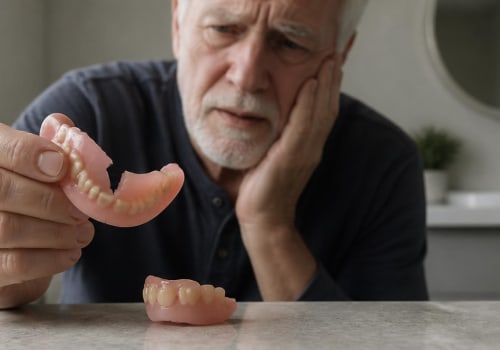
- Fixing Fractures: Dentures can break due to accidental drops or excessive pressure. Repairing fractures typically involves bonding the broken pieces together using dental adhesives or acrylic materials. In some cases, if the damage is extensive, a complete replacement may be necessary.
- Wear and Tear: Over time, dentures can become worn down, affecting their fit and appearance.
- Staining: Food and beverages can stain dentures, requiring professional cleaning or polishing.
- Loose Fit: A loose denture can cause discomfort and difficulty in eating or speaking, often necessitating relining or rebasing.
Signs You Need Denture Repair
Recognizing the signs of denture damage is crucial for maintaining your oral health and ensuring your dentures function properly.Here are some key indicators that it may be time to seek denture repair.
- Visible Cracks or Chips: If you notice any cracks or chips in your dentures, it’s a clear sign that they need professional attention. Even small damages can worsen over time, leading to more significant issues.
- Pain or Discomfort: Experiencing pain or discomfort while wearing your dentures is a strong indicator that they may not fit correctly anymore. This could be due to wear and tear or changes in your mouth structure.
- Difficulty Chewing: If you find it increasingly difficult to chew food, your dentures may have become misaligned or damaged. This can affect your ability to eat comfortably and safely.
- Loose Fit: Dentures that feel loose can lead to irritation and sores in your mouth.
If you have to use adhesive more frequently than before, it’s time to consider a repair.
- Staining or Discoloration: While some staining is normal over time, excessive discoloration can indicate that your dentures are wearing down and may need repair or replacement.
The Denture Repair Process
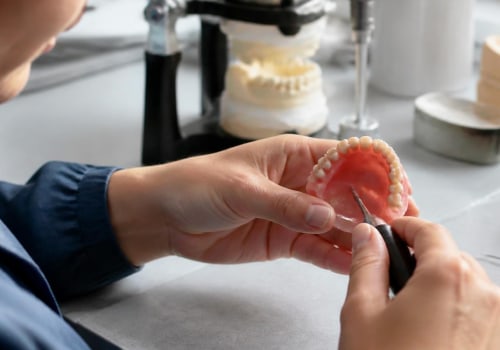
Repairing dentures is a meticulous process that ensures your dental prosthetics are restored to their original function and appearance. Understanding the denture repair process can help alleviate any concerns you may have when visiting a dental professional.The first step in the denture repair process typically involves an initial consultation.During this visit, the dentist will assess the damage to your dentures. This may include checking for cracks, chips, or any misalignments. The dentist will also inquire about how the damage occurred, which can provide valuable insights into the best repair method.Once the assessment is complete, the dentist will discuss the appropriate repair options with you. Here are the common steps involved in repairing dentures:
- Cleaning: The dentures are thoroughly cleaned to remove any debris or bacteria that may have accumulated.
- Assessment: The dentist will take precise measurements and evaluate the extent of the damage.
- Repair Method Selection: Depending on the type of damage, the dentist may choose to use a special adhesive for minor repairs or may need to replace certain components for more extensive damage.
- Reconstruction: If necessary, the dentist will reconstruct any broken parts using dental materials that mimic the original denture material.
- Finishing Touches: After repairs are made, the dentures are polished and adjusted to ensure a comfortable fit.
It’s essential to communicate any discomfort or issues during this visit so that further adjustments can be made if necessary.In summary, understanding the denture repair process can help you feel more confident about seeking professional help when your dentures need attention. With proper care and timely repairs, your dentures can continue to serve you well for years to come.
DIY Denture Repair: Is It Safe?
When faced with a broken denture, many individuals consider DIY denture repair as a quick and cost-effective solution. However, while some home methods may seem appealing, they come with significant risks that should not be overlooked.Pros of DIY Denture Repair
- Cost Savings: Repairing dentures at home can save money compared to professional services.
- Immediate Fix: For minor issues, such as a small crack or loose tooth, DIY methods can provide a quick temporary solution.
- Convenience: Home repairs can be done at your convenience without the need for an appointment.
Cons and Risks of DIY Denture Repair
- Improper Materials: Many DIY methods involve using adhesives or materials not designed for dental use, which can lead to further damage or health issues.
- Lack of Expertise: Without professional training, it’s easy to misdiagnose the problem or apply the wrong repair technique.
- Potential for Injury: Sharp edges from broken dentures can cause cuts or sores in the mouth if not handled properly.
- Long-term Damage: A poorly executed repair may worsen the condition of the dentures, leading to more expensive repairs down the line.
They have the expertise and tools necessary to ensure that your dentures are restored safely and effectively, minimizing the risk of further complications.
Cost of Denture Repair
Understanding the cost of denture repair is essential for anyone who relies on dentures for their daily needs. The price of denture repair can vary significantly based on several factors, including the type of repair needed, the materials used, and the dental practice's location.Average Costs
On average, denture repair costs can range from $100 to $500. Simple repairs, such as fixing a broken clasp or reattaching a tooth, typically fall on the lower end of this spectrum. More complex repairs, like relining or remaking a denture, can be more expensive.Factors Affecting Pricing
- Type of Repair: The nature of the damage plays a crucial role in determining the cost.
Minor repairs are generally less expensive than extensive ones.
- Materials Used: The quality and type of materials required for the repair can influence the overall price. High-quality materials may lead to higher costs but can also enhance durability.
- Location: Dental practices in urban areas may charge more due to higher overhead costs compared to those in rural settings.
- Dental Practice: Different dental offices have varying pricing structures. Some may offer package deals or discounts for multiple repairs.
Choosing a Denturist for Repairs
When it comes to denture repair, selecting the right denturist is crucial for ensuring that your dentures are restored to their optimal condition.Here are some tips to help you find a qualified professional for your denture repair needs.
How to Choose a Denturist
Start by researching local denturists in your area. Look for professionals who specialize in denture repair and have a good reputation. Online reviews and testimonials can provide insight into the experiences of other patients.Finding a Good Denturist for Repairs
- Check Credentials: Ensure that the denturist is licensed and has the necessary qualifications. Membership in professional organizations can also indicate a commitment to ongoing education and best practices.
- Experience Matters: Inquire about the denturist's experience specifically with denture repairs.
A seasoned professional will be more adept at handling various types of repairs.
- Facility Standards: Visit the clinic if possible. A clean, well-organized facility often reflects the quality of care you can expect.
Questions to Ask a Denturist
During your consultation, don’t hesitate to ask questions that will help you gauge their expertise:- What types of denture repairs do you specialize in?
- How long will the repair process take?
- What materials do you use for repairs?
- Can you provide references or testimonials from previous clients?
- What is your policy on follow-up care or adjustments?
Frequently Asked Questions about Denture Repair
When it comes to denture repair, many individuals have questions regarding the process, maintenance, and care of their dentures. Here are some frequently asked questions that can help clarify common concerns.- What are the most common issues that require denture repair?
Common problems include cracks, chips, and broken clasps. These issues can arise from normal wear and tear or accidental damage. - How long does a denture repair take?
The duration of a denture repair can vary depending on the extent of the damage.Minor repairs may be completed within a few hours, while more extensive repairs could take several days.
- Can I repair my dentures at home?
While some minor fixes might be attempted at home using denture repair kits, it is generally recommended to seek professional help to ensure proper alignment and fit. - How can I prevent the need for denture repairs?
To minimize the risk of damage, handle your dentures with care, avoid using abrasive cleaners, and store them in a safe place when not in use. - What should I do if my dentures feel loose?
If your dentures feel loose or uncomfortable, it’s important to consult your dentist. They can assess the fit and make necessary adjustments or repairs.
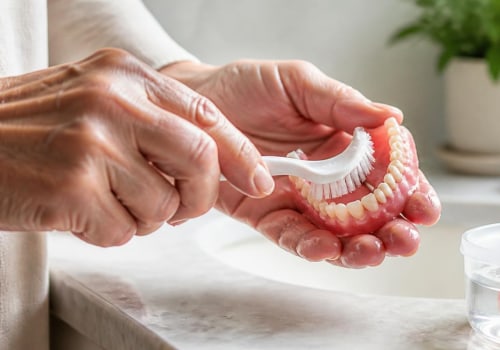
- Clean daily: Brush your dentures daily with a soft-bristled brush and a cleaner specifically designed for dentures.
- Soak overnight: Soak your dentures in a denture solution overnight to keep them moist and free from bacteria.
- Avoid hot water: Never use hot water to clean or soak your dentures, as it can warp their shape.
Conclusion: Key Takeaways on Denture Repair
In summary, denture repair is a crucial aspect of maintaining not only the functionality of your dentures but also your overall oral health. Understanding the various types of repairs, from minor adjustments to more extensive fixes, can help you make informed decisions about your dental care.Here are some key takeaways regarding denture repair:- Timely Repairs: Addressing issues promptly can prevent further damage and ensure that your dentures remain comfortable and effective.
- Professional Assistance: While some minor repairs can be done at home, it is often best to seek professional help to ensure that the repair is done correctly and safely.
- Regular Maintenance: Regular check-ups with your dentist can help identify potential problems before they require significant repairs.
- Material Matters: Understanding the materials used in your dentures can help you better appreciate the repair process and the longevity of your dental appliances.
- Cost Considerations: Being aware of the costs associated with different types of repairs can help you budget for necessary maintenance and avoid unexpected expenses.
By staying informed and engaged with your dental care, you can enjoy the benefits of a well-maintained smile for years to come.